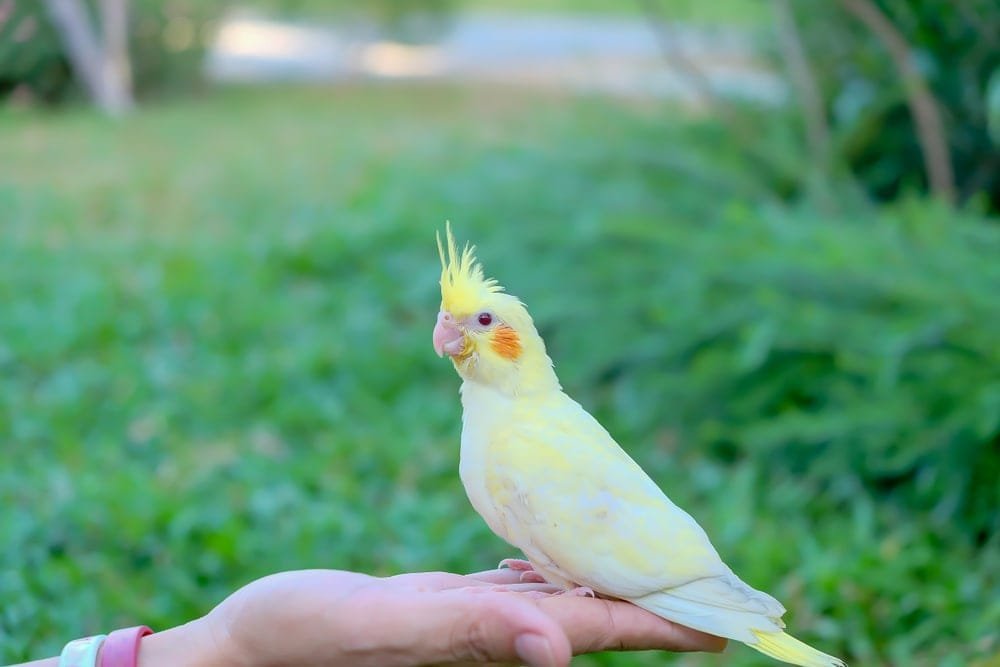
Many bird owners notice something curious over time: even in a home filled with people who care for the bird, feed it, and spend time around it, the bird often seems to form a much stronger bond with just one person. It may fly directly to that individual, respond more quickly to their voice, or appear visibly calmer when they are nearby, while keeping distance from everyone else in the house. To many people, this behavior can feel confusing or even personal, especially when another family member is the one who spends more time cleaning the cage or providing food.
The truth is that birds do not choose their favorite person randomly, and it is rarely about simple preference in the human sense. Birds are highly sensitive animals that respond strongly to energy, routine, tone of voice, body language, and emotional consistency. In many cases, the person they choose is the one who makes them feel the safest, not necessarily the one who interacts with them the most.
Unlike dogs, birds are prey animals by nature. This means they are constantly evaluating their environment for signs of safety and potential danger. The way someone moves, approaches the cage, extends a hand, or even speaks can strongly influence how the bird feels. A calm, predictable presence often becomes much more attractive than someone who is louder, more abrupt, or inconsistent in the way they interact.
Sometimes the chosen person is simply the one who respects the bird’s boundaries better. Birds tend to trust people who allow them to approach on their own terms instead of forcing interaction. Someone who waits patiently, speaks softly, and lets the bird decide when to come closer often builds trust faster than someone who tries too hard to create affection.
Another important reason is routine. Birds are incredibly observant and quickly associate people with specific experiences. If one person is consistently present during calm moments, feeding time, or positive interactions, the bird may begin to associate that person with comfort and security. On the other hand, if another person is usually present during loud environments, sudden movements, or stressful situations, the bird may naturally keep more distance.
This is why what seems like favoritism is often actually trust-based behavior.
The bird is not trying to exclude anyone.
It is simply choosing the person whose presence feels the most stable and safe.
Once you understand that, the behavior becomes much easier to interpret and improve.
Why Birds Build Trust So Differently From Other Pets
One of the biggest reasons this behavior surprises people is that many owners unconsciously compare birds to dogs or cats. However, birds form trust in a very different way. While a dog may quickly bond through play, physical affection, and repeated commands, birds usually build connection through observation, patience, and emotional safety over time.
A bird pays attention to much more than most people realize. It notices the way someone approaches the cage, the speed of their movements, the volume of their voice, and even the emotional energy they bring into the room. If one person consistently moves slowly, speaks softly, and respects the bird’s space, the bird begins to associate that person with safety. This repeated feeling of security slowly turns into preference.
What makes birds unique is that they rarely rush trust. Because they are naturally cautious animals, they often spend days or even weeks simply observing before deciding who feels safe enough to approach. This is why one family member may suddenly seem to become the “favorite” even if everyone has been around equally.
Another important factor is how each person responds to the bird’s signals. Birds communicate constantly through body language: feather position, head movement, eye pinning, posture, and vocal tone. The person who notices these signals and adjusts their behavior accordingly often becomes the one the bird chooses.
In other words, the bond is not usually about attention alone.
It is about who makes the bird feel most understood.
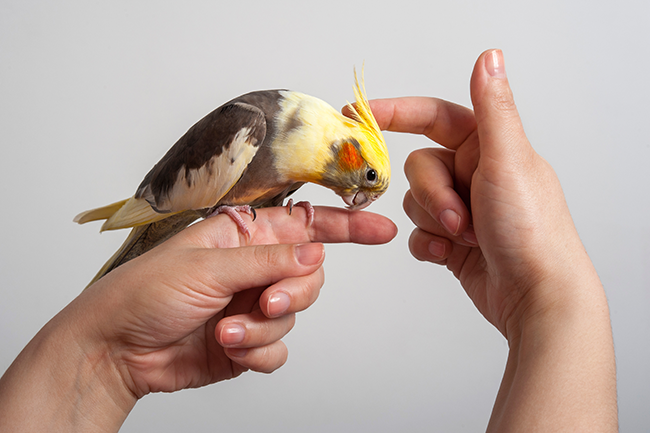

David Bencivenga
Writer, advertising copywriter and SEO analyst, I am originally from New York and have been passionate about reading and writing since I was little. Books have always been my companions and favorite pastime, which led me to my profession. I hope you enjoy each of my texts and that they can help you in some way. Happy reading!
Related posts:
 The Human Mistake No One Notices: Why Loving Your Pet “Like a Person” Can Quietly Create Bigger Problems
 It Never Happens “Out of Nowhere”: The Hidden Signals Behind Why Your Bird Bites
 Why Your Cat Meows More at Night (And the Mistake That’s Quietly Making It Worse)
 Why Your Chinchilla Needs Dust Baths (And Why Water Makes Things Worse)