
Introduction
For many new axolotl owners, the first reaction is confusion.
The animal doesn’t move much.
It stays in the same place for long periods.
It reacts slowly, sometimes almost imperceptibly.
Compared to fish or other aquatic animals, it can seem inactive.
This often leads to concern:
👉 “Is something wrong?”
But with axolotls, this interpretation is usually incorrect.
Because what looks like inactivity…
👉 is actually a highly efficient biological strategy
Why This Matters
Axolotls are not built for constant movement.
They are ambush predators.
Their natural behavior is based on:
- stillness
- patience
- sudden action
This is very different from animals that:
- swim constantly
- explore continuously
- react to fill time
So when you expect movement…
👉 you’re expecting the wrong behavior
The Ambush Strategy
In natural conditions, axolotls don’t chase food.
They wait.
They remain still until:
- something moves nearby
- prey comes within range
Then they act quickly.
This pattern means that most of their time is spent:
👉 not moving
Why Stillness Is Efficient
Movement consumes energy.
Axolotls are designed to conserve it.
By staying still, they:
- reduce energy use
- remain less visible
- maintain readiness for sudden action
This makes them extremely efficient in their environment.
A Practical Example
An axolotl remains motionless for long periods.
Then suddenly:
- reacts
- moves quickly
- captures food
From the outside:
👉 inconsistent activity
From the axolotl’s perspective:
👉 optimized behavior
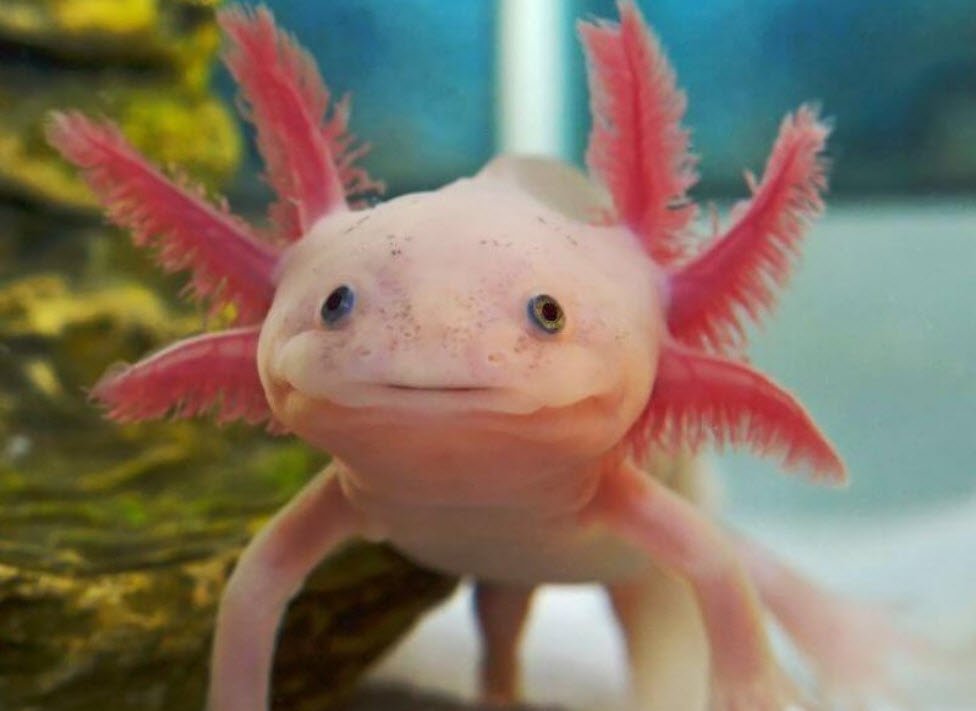
The Role of Water Conditions
Axolotls are sensitive to their environment.
If conditions are stable:
- movement remains minimal
- behavior stays consistent
If something is off, you may see:
- increased movement
- attempts to escape
- unusual positioning
Ironically:
👉 more movement can indicate a problem
Why Owners Misinterpret This
Humans associate activity with health.
More movement = more vitality.
But axolotls don’t follow that model.
Their health is reflected in:
👉 stability, not activity
The Difference Between Calm and Weakness
A healthy axolotl:
- responds when needed
- maintains position
- shows controlled movement
An unhealthy one may show:
- lack of response
- floating issues
- irregular posture
The difference is not quantity of movement.
👉 it’s quality of response
Step-by-Step Observation
Step 1: Watch Feeding Response
A healthy axolotl reacts to food.
This is a key indicator.
Step 2: Observe Posture
Stable positioning is a good sign.
Step 3: Monitor Environment
Water quality and temperature influence behavior directly.
Step 4: Avoid Over-Stimulation
Too much disturbance can create stress.
Axolotls prefer low-interaction environments.
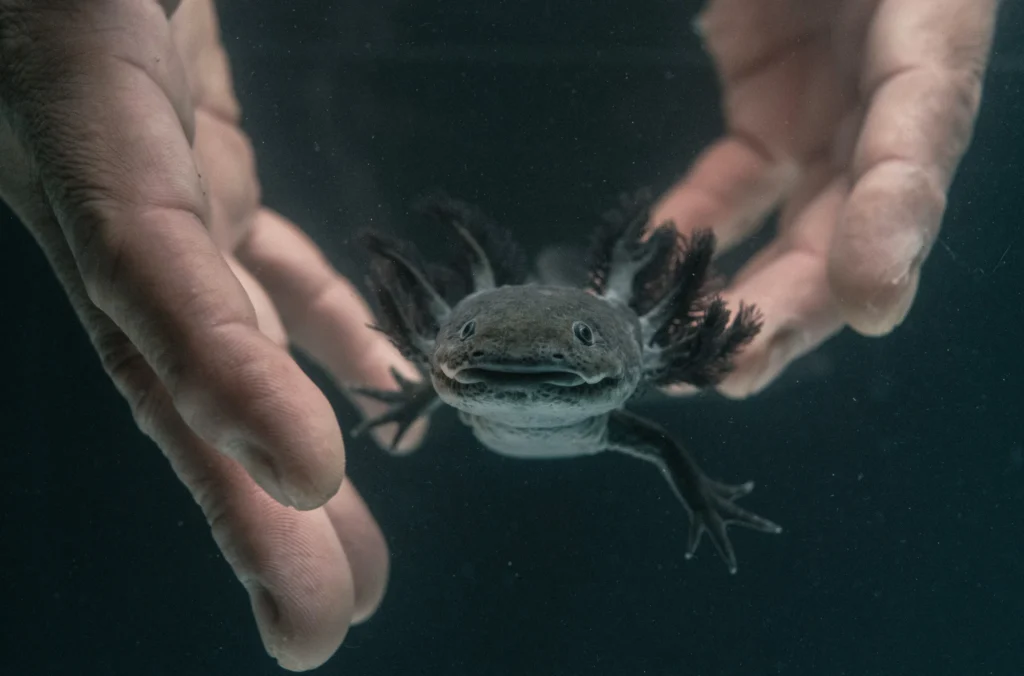
Common Misinterpretations
“My axolotl is lazy”
It is conserving energy.
“It should move more”
That expectation comes from other animals.
“It looks inactive”
Stillness is part of its natural design.
Special Cases
If the axolotl shows:
- no feeding response
- constant floating
- abnormal posture
then further evaluation is needed.
The Bigger Shift
Axolotl care is not about increasing activity.
It is about maintaining:
👉 stable conditions
Because stability supports natural behavior.
The Perspective Change
Instead of asking:
👉 “Why is my axolotl not moving?”
Ask:
👉 “Is my axolotl responding correctly when needed?”
Because response matters more than movement.
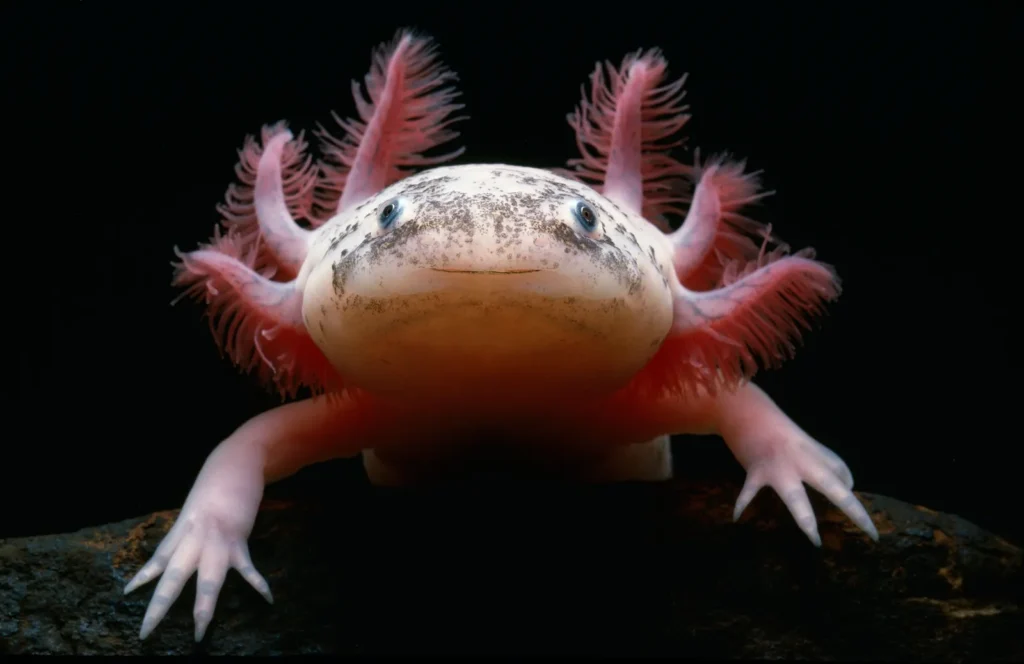
Conclusion
Your axolotl is not inactive.
It is operating exactly as designed.
Stillness, patience, and sudden action define its behavior.
Once you stop expecting constant movement…
👉 everything becomes easier to understand
And what once felt like inactivity…
👉 becomes a sign of efficiency
Not because the animal changed.
👉 but because your perspective did.