
Introduction
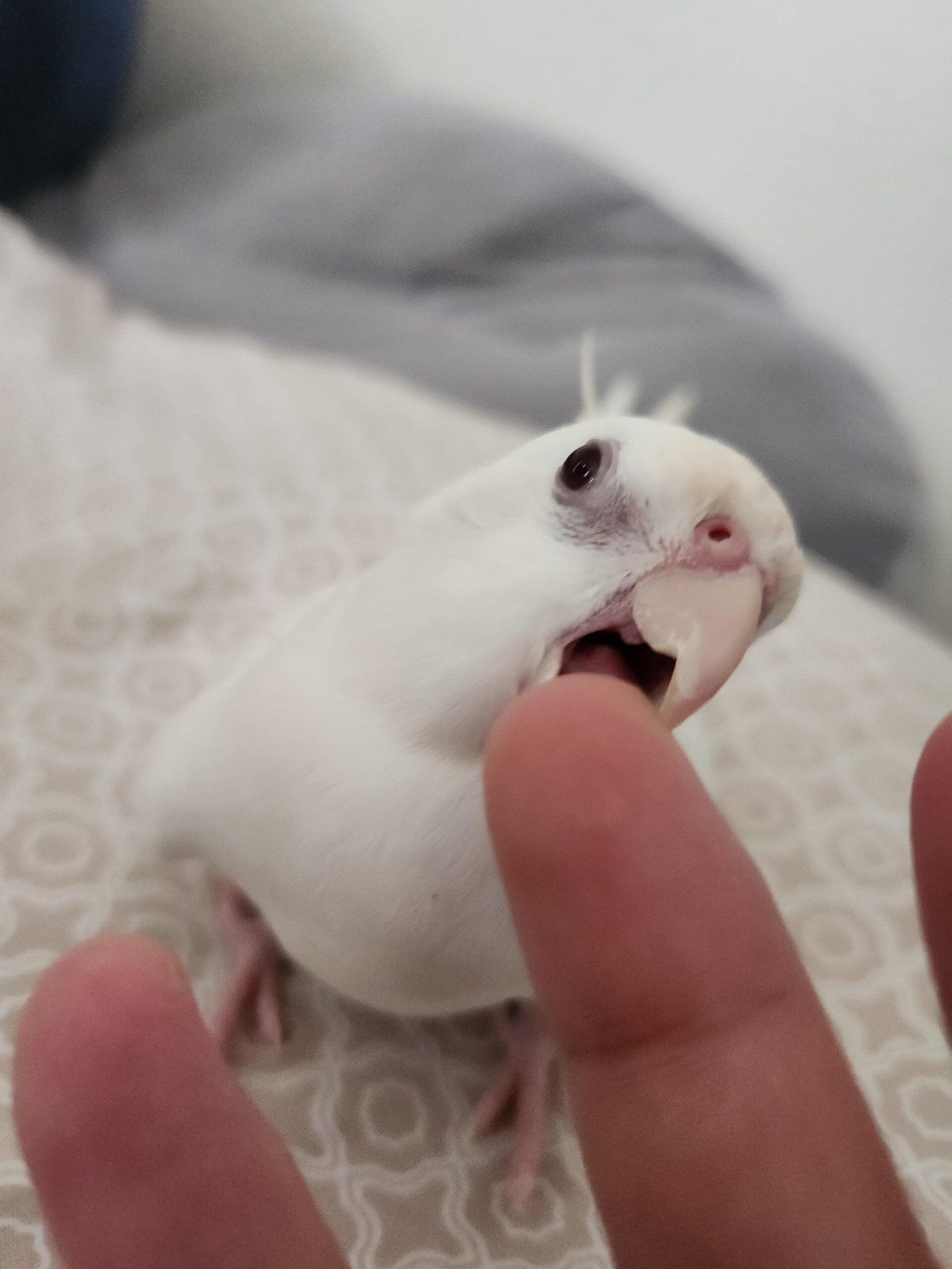
Few things feel as sudden as a bird bite.
One moment everything seems normal.
The next, the bird lunges or clamps down unexpectedly.
To most owners, it feels unpredictable.
There was no warning.
No clear trigger.
No obvious reason.
So the conclusion becomes simple:
👉 “It bit for no reason.”
But that conclusion only exists because the signals were too subtle to notice.
Because birds rarely bite without warning.
👉 they just communicate in ways most people don’t recognize
Why This Matters
When a bite feels sudden, the reaction is usually reactive.
Owners may:
- pull away abruptly
- respond with frustration
- avoid interaction entirely
None of these solve the issue.
Because the bite is not the beginning of the behavior.
👉 it’s the final step
Everything that leads to it happens before — in smaller, quieter signals.
The Build-Up Most People Don’t See
Before a bite, birds often show changes that are easy to miss.
Not dramatic ones.
Small shifts.
For example:
- slight feather tightening
- subtle head angle change
- reduced blinking
- body leaning away
These are not obvious warnings.
But they are consistent indicators of discomfort.
Why These Signals Are Ignored
There are three main reasons.
1. They Happen Quickly
The transition from calm to defensive can be fast.
If you’re not already observing closely, you miss the shift.
2. They Look Neutral
Unlike dogs, birds don’t always show large, expressive cues.
Their signals are minimal.
3. Human Focus Is Elsewhere
Most people focus on:
- their own action
- the goal of the interaction
Not on the bird’s response in real time.
A Practical Example
You reach toward your bird.
From your perspective:
👉 normal interaction
From the bird’s perspective:
- your hand approaches
- space reduces
- pressure increases
The bird first:
- stiffens slightly
- shifts weight
- adjusts posture
If those signals are ignored…
👉 escalation continues
Until the bite happens.
Why Biting Works for the Bird
Biting is not random.
It is effective.
It:
- creates distance
- stops interaction
- removes pressure
From the bird’s point of view:
👉 it solves the problem
So it becomes a reliable response when earlier signals are not respected.
Step-by-Step Prevention
Step 1: Observe Before Acting
Before initiating contact, watch:
- posture
- feather position
- head movement
This gives context.
Step 2: Pause at the First Change
If you notice even a small shift:
👉 stop advancing
Give the bird space to reset.
Step 3: Adjust Your Approach
Instead of reaching directly:
- move slower
- change angle
- reduce pressure
Step 4: Respect Withdrawal
If the bird moves away:
👉 do not follow immediately
This prevents escalation.
Common Misinterpretations
“It attacked suddenly”
It responded after earlier signals were ignored.
“It’s aggressive”
Aggression is often a last resort, not a default state.
“It bites randomly”
The pattern exists — it’s just subtle.
Special Cases
Birds with limited positive interaction history may:
- skip early signals
- escalate faster
- react more defensively
In these cases, extra caution is needed.
The Bigger Shift
Most people focus on stopping the bite.
But the real change comes from:
👉 recognizing the moment before the bite
That moment is where behavior can still be redirected.
The Perspective Change
Instead of asking:
👉 “Why did it bite?”
Ask:
👉 “What changed just before it bit?”
Because the answer is always there.
Conclusion
Your bird is not reacting without reason.
It is communicating in stages.
When early signals are missed, the final signal becomes stronger.
That final signal is the bite.
Once you learn to read the smaller changes that come before…
👉 the bite becomes avoidable
Not through control.
👉 but through awareness
And when awareness improves…
👉 conflict disappears before it begins.