
Introduction
Few things are as worrying for a bird owner as seeing this:
Feathers scattered in the cage.
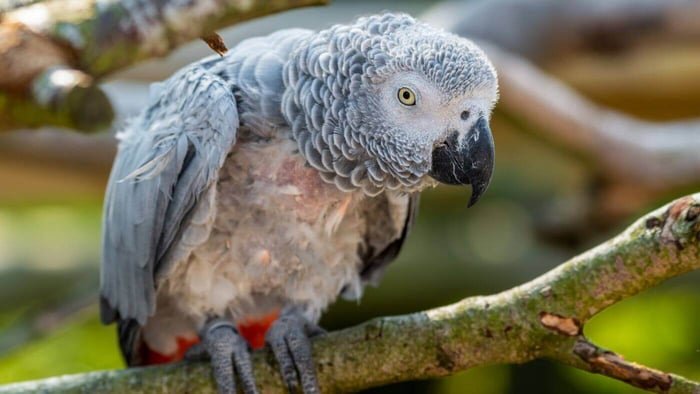
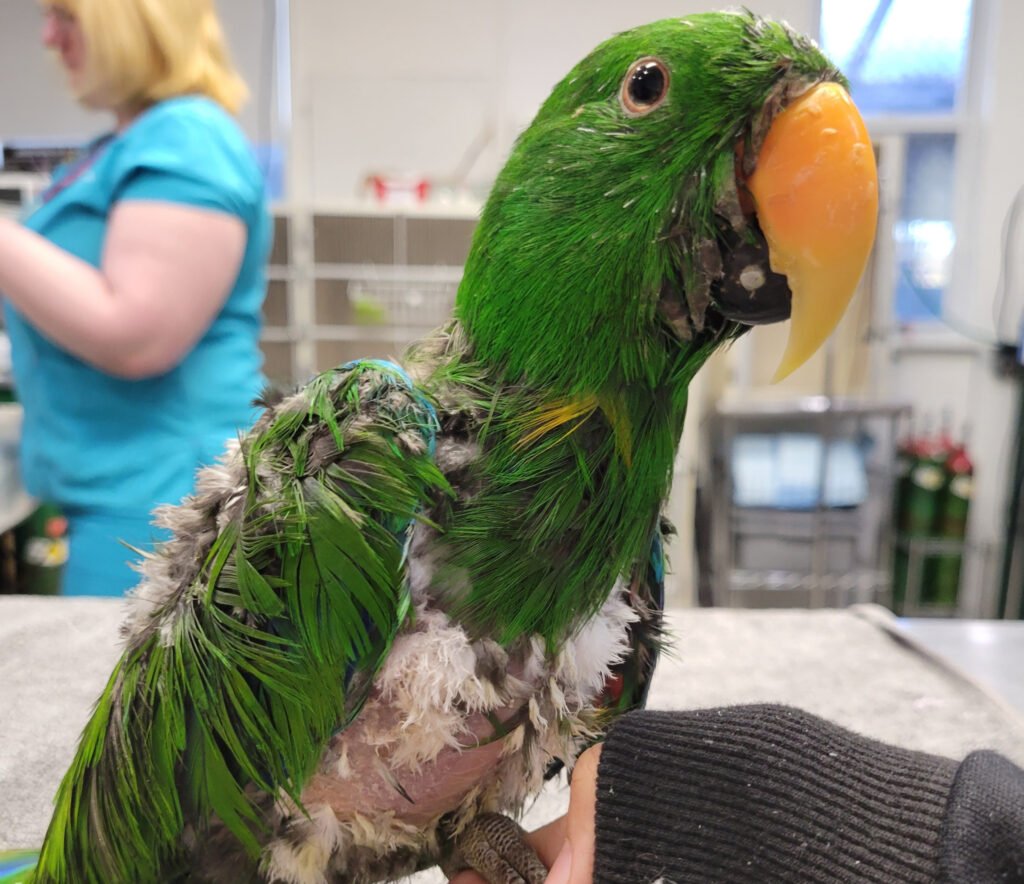
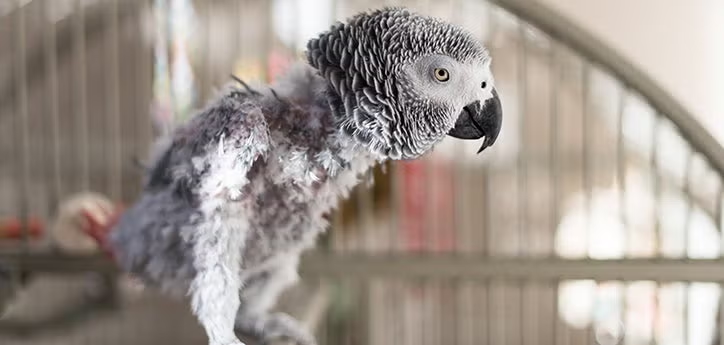
Bare patches on the body.
The bird repeatedly pulling at itself.
The immediate reaction is almost always the same:
👉 “It must be stressed.”
While stress can be part of the situation, this explanation alone is too simple.
Because feather plucking is not just a reaction.
👉 it is a pattern
And patterns don’t form from a single cause.
They develop when internal and external factors combine over time.
Why This Matters
If the behavior is misunderstood, the response becomes ineffective.
Many owners try to fix it by:
- adding toys
- increasing attention
- changing the environment
Sometimes these help.
Sometimes they don’t.
Because the behavior is not always driven by one single issue.
👉 it is sustained by repetition
Once the pattern is established, it can continue even after the original trigger disappears.
The Difference Between Trigger and Maintenance
There are two stages in this behavior:
- what starts it
- what keeps it going
The trigger may be:
- change in environment
- lack of stimulation
- discomfort
- routine disruption
But what maintains the behavior is different.
Over time, the act itself becomes:
👉 self-reinforcing
Why the Behavior Repeats
Feather pulling can create internal feedback.
The bird experiences:
- sensory stimulation
- temporary relief
- focused attention on one action
This creates a loop:
action → sensation → repetition
Even if the original cause is no longer present, the loop remains.
A Practical Example
A bird begins pulling feathers during a period of low stimulation.
At first, it happens occasionally.
Over time, the behavior becomes more frequent.
Eventually, it occurs even when the environment improves.
From the outside, it looks like the problem never changed.
But internally:
👉 the pattern became independent
Why It’s Not Always Visible Early
In early stages, feather plucking can be subtle.
Small areas.
Infrequent actions.
Because of that, it often goes unnoticed.
By the time it becomes obvious…
👉 the pattern is already established
The Role of Attention
Owner reaction can unintentionally reinforce the behavior.
If the bird receives:
- attention
- vocal response
- interaction
during or immediately after pulling…
it may strengthen the loop.
Not intentionally.
👉 but functionally
Step-by-Step Approach
Step 1: Observe Without Immediate Reaction
Identify when the behavior happens:
- specific times
- after certain events
- during inactivity
Step 2: Reduce Reinforcement
Avoid reacting during the act itself.
Shift attention to neutral or calm moments instead.
Step 3: Introduce Alternative Engagement
Provide activities that:
- require focus
- occupy time
- create variation
Step 4: Maintain Consistency
Changes must be stable.
Frequent shifts disrupt progress.
Common Misinterpretations
“It’s just stressed”
Stress may start it, but repetition maintains it.
“It needs more attention”
Attention at the wrong time can reinforce the behavior.
“It will stop on its own”
Once established, patterns rarely disappear without intervention.
Special Cases
Severe or persistent cases may involve:
- physical conditions
- environmental imbalance
- deeper behavioral loops
These require closer evaluation.
The Bigger Shift
Feather plucking is not just a reaction.
It is a system.
To change it, you must address:
👉 both cause and continuation
The Perspective Change
Instead of asking:
👉 “Why did this start?”
Ask:
👉 “Why does this keep happening?”
Because stopping the loop is as important as understanding the trigger.
Conclusion
Your bird is not simply reacting to a single problem.
It is repeating a behavior that has become self-sustaining.
Once you break the loop:
- intensity decreases
- frequency reduces
- recovery begins
Not instantly.
But gradually.
Because patterns don’t disappear suddenly.
👉 they weaken over time
And when the loop loses strength…
👉 the behavior fades with it.