
Introduction
For most pet owners, cleanliness follows a simple rule:
👉 water cleans
So when they first encounter chinchillas, something feels strange.
Instead of water, these animals “bathe” in dust.
They roll in it.
Spin through it.
Cover themselves completely.
From a human perspective, this looks backward.
Almost like the animal is getting dirtier instead of cleaner.
But this reaction comes from applying the wrong logic.
Because for chinchillas…
👉 water is the problem
And dust is the solution.
Why This Matters
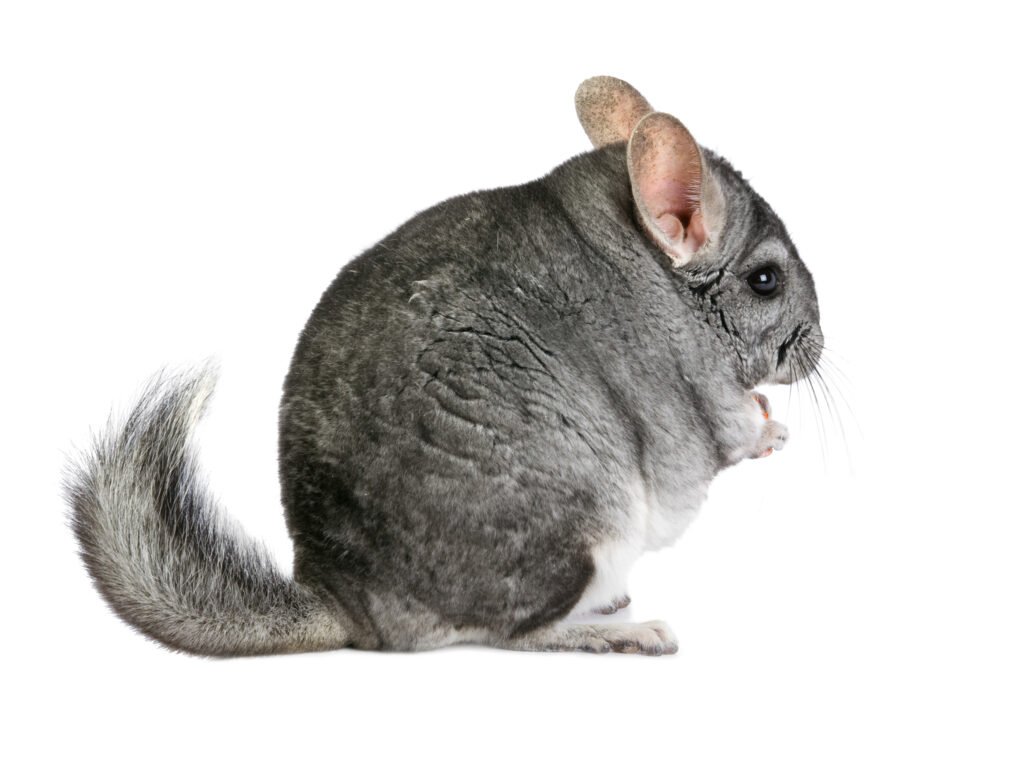
Chinchillas have one of the densest fur structures in the animal world.
Each follicle can produce dozens of hairs.
This creates:
- extremely thick coverage
- high insulation
- minimal airflow near the skin
This structure changes everything about how they interact with moisture.
The Problem With Water
When water reaches chinchilla fur, it doesn’t behave normally.
It doesn’t dry quickly.
Instead, it becomes trapped.
This leads to:
- prolonged moisture retention
- skin imbalance
- potential fungal issues
Even small amounts of water can create problems.
Why Dust Works Better
Dust baths are not random behavior.
They are a precise adaptation.
The fine particles:
- absorb oils
- remove debris
- reach deep into dense fur
Unlike water, dust does not stay trapped.
It moves through the fur and carries unwanted material away.
A Practical Example
A chinchilla rolls repeatedly in a dust bath.
From the outside:
👉 it looks messy
But after the bath:
- the fur becomes lighter
- texture improves
- excess oils are reduced
This is not surface cleaning.
👉 it is deep maintenance
The Importance of Dust Type
Not all dust works the same way.
Chinchilla-specific dust is:
- extremely fine
- dry
- designed for dense fur
Using incorrect materials can:
- damage fur
- fail to clean properly
- create irritation
Frequency Matters
Dust baths should be:
- regular
- controlled
Too frequent:
- can dry the skin excessively
Too rare:
- allows oil buildup
Balance is essential.
Why Owners Make Mistakes
Because of human habits, many try to:
- clean with water
- wipe the animal
- “help” the process
These actions often create more harm than benefit.
Step-by-Step Proper Care
Step 1: Provide a Dust Bath Container
Use a space where the chinchilla can roll freely.
Step 2: Limit Bath Time
Short sessions are more effective.
Step 3: Use Proper Dust
Always choose dust designed specifically for chinchillas.
Step 4: Avoid Water Contact
Even small exposure should be minimized.
Common Misinterpretations
“Dust makes it dirty”
Dust removes what shouldn’t be there.
“Water would clean better”
Water disrupts the fur system.
“It looks messy during the bath”
The process looks different from the result.
Special Cases
In high humidity environments, dust baths become even more important.
Moisture in the air can affect fur condition.
The Bigger Shift
Chinchilla care requires breaking a basic assumption:
👉 cleanliness is not always water-based
Different biology requires different solutions.
The Perspective Change
Instead of asking:
👉 “How do I clean my chinchilla?”
Ask:
👉 “What keeps its fur system balanced?”
Because balance matters more than appearance.
Conclusion
Your chinchilla is not getting dirty in dust.
It is maintaining a system that water cannot support.
Once you understand how its fur works:
- the behavior makes sense
- care becomes simpler
- problems are avoided
Not because you changed the animal.
👉 but because you adapted to its biology
And in exotic mammals…
👉 adaptation is everything.