
Introduction
One of the most common assumptions in fish care is simple:
“If the tank looks clean, everything is fine.”
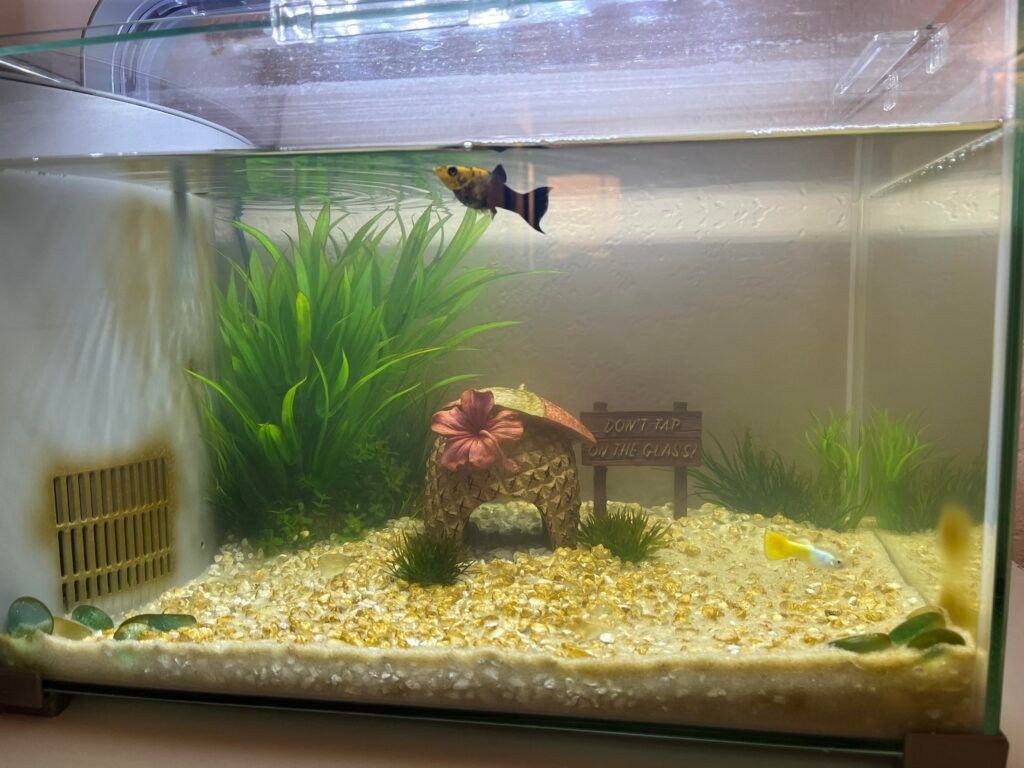
Clear water.
No visible dirt.
No strong odor.
From a human perspective, this signals a healthy environment.
But in aquariums, appearance can be misleading.
Because what affects fish the most…
👉 is often invisible
And many problems begin in tanks that look perfectly fine on the surface.
Why This Matters
Fish don’t respond to what you see.
They respond to:
- chemical balance
- oxygen levels
- microscopic changes
These factors don’t change the color of the water immediately.
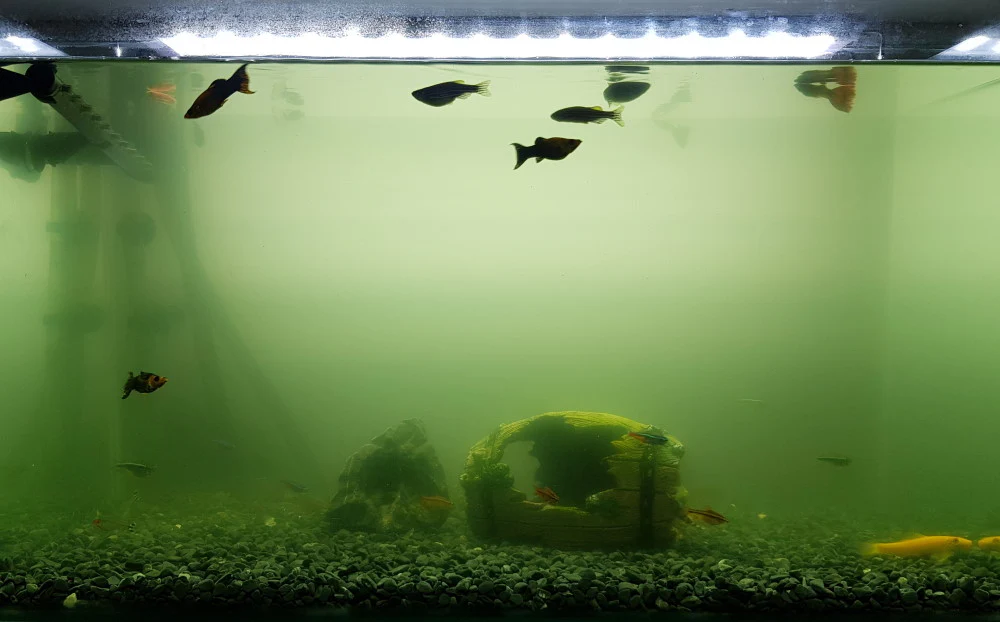
So a tank can look clean…
👉 while becoming unstable internally
The Difference Between Clean and Stable
Cleanliness is visual.
Stability is chemical.
These are not the same thing.
A tank can be:
- visually clear
- chemically unstable
And that instability affects fish long before any visible sign appears.
The Invisible System Inside the Tank
Every aquarium operates as a small ecosystem.
Within it, there are constant processes:
- waste breakdown
- bacterial activity
- oxygen exchange
- chemical transformation
These processes must stay balanced.
If one part shifts…
👉 the entire system is affected
The Role of Waste (That You Don’t See)
Fish constantly produce waste.
Food breaks down.
Organic material accumulates.
Even if you don’t see it, it exists.
This waste releases compounds that:
- alter water quality
- affect fish physiology
- increase stress levels
Why Over-Cleaning Can Make It Worse
Many owners react by cleaning more.
Changing water frequently.
Washing everything.
Resetting the tank.
But this can remove beneficial bacteria.
And those bacteria are essential for:
👉 maintaining balance
Without them, the system becomes unstable again — sometimes worse than before.
A Practical Example
A tank looks clean.
The owner performs a deep clean.
For a short time, everything seems fine.
Then fish begin to:
- act differently
- move less
- show signs of stress
The issue is not dirt.
👉 it’s imbalance
The Concept of Stability Over Perfection
Fish don’t need a perfect environment.
They need a consistent one.
Small variations are acceptable.
Sudden changes are not.
Stability allows the system to regulate itself.
Step-by-Step Balance Approach
Step 1: Reduce Sudden Changes
Avoid large, frequent interventions.
Gradual adjustments are safer.
Step 2: Support Biological Balance
Do not remove all bacterial presence.
Filters and surfaces play a role.
Step 3: Monitor Patterns, Not Appearance
Instead of looking only at clarity, observe:
- fish movement
- breathing rate
- interaction
These reveal more than water color.
Step 4: Feed Carefully
Excess food increases waste load.
Balance input with system capacity.
Common Misinterpretations
“The water looks perfect”
Visual clarity does not guarantee stability.
“Cleaning fixes everything”
Cleaning can disrupt internal balance.
“Fish suddenly got sick”
The process often started earlier, invisibly.
Special Cases
New tanks are especially unstable.
They require time to develop internal balance.
Rushing this process increases risk.
The Bigger Shift
Most people manage aquariums based on appearance.
But fish experience the environment differently.
They respond to:
👉 what you can’t see
The Perspective Change
Instead of asking:
👉 “Does the tank look clean?”
Ask:
👉 “Is the system stable over time?”
Because stability is what keeps fish healthy.
Conclusion
A clear tank is not always a healthy tank.
What matters most happens below the surface.
Chemical balance.
Biological processes.
Consistency over time.
Once you focus on stability instead of appearance…
👉 the environment becomes predictable
And when the environment is predictable…
👉 the fish thrive naturally
Not because it looks perfect.
👉 but because it functions correctly.