
Introduction
One of the most common thoughts pet owners have during any kind of change is simple:
“My pet is taking too long to learn.”
Whether it’s:
- training a behavior
- adapting to a new environment
- stopping a habit
There is always a moment where progress feels slower than expected.
At that point, frustration appears.
And with frustration comes a conclusion:
👉 the pet is not learning fast enough
But in most cases, that conclusion is not accurate.
Because the issue is not speed.
👉 it’s expectation
Why This Matters
When expectations are misaligned with reality, the approach changes.
Owners begin to:
- repeat actions excessively
- increase pressure
- switch strategies too quickly
This doesn’t speed up learning.
It disrupts it.
Because animals don’t learn through urgency.
👉 they learn through repetition and consistency over time
The Human Time vs Animal Time Problem
Humans think in short-term results.
We expect:
- quick improvement
- visible progress
- immediate feedback
Animals don’t operate on that timeline.
Their learning process is:
- gradual
- repetitive
- context-based
What feels slow to a human…
👉 is normal for an animal
Learning Is Not Linear
Another misunderstanding is expecting progress to be consistent.
Day 1: improvement
Day 2: improvement
Day 3: improvement
That rarely happens.
Animal learning often looks like:
- progress
- regression
- stability
- progress again
This creates the illusion of inconsistency.
But it’s part of the process.
Why Repetition Is Not Enough
Many owners believe repetition alone is the solution.
But repetition without structure creates confusion.
If each repetition is slightly different:
- tone changes
- timing changes
- context changes
The animal does not see a clear pattern.
So learning slows down.
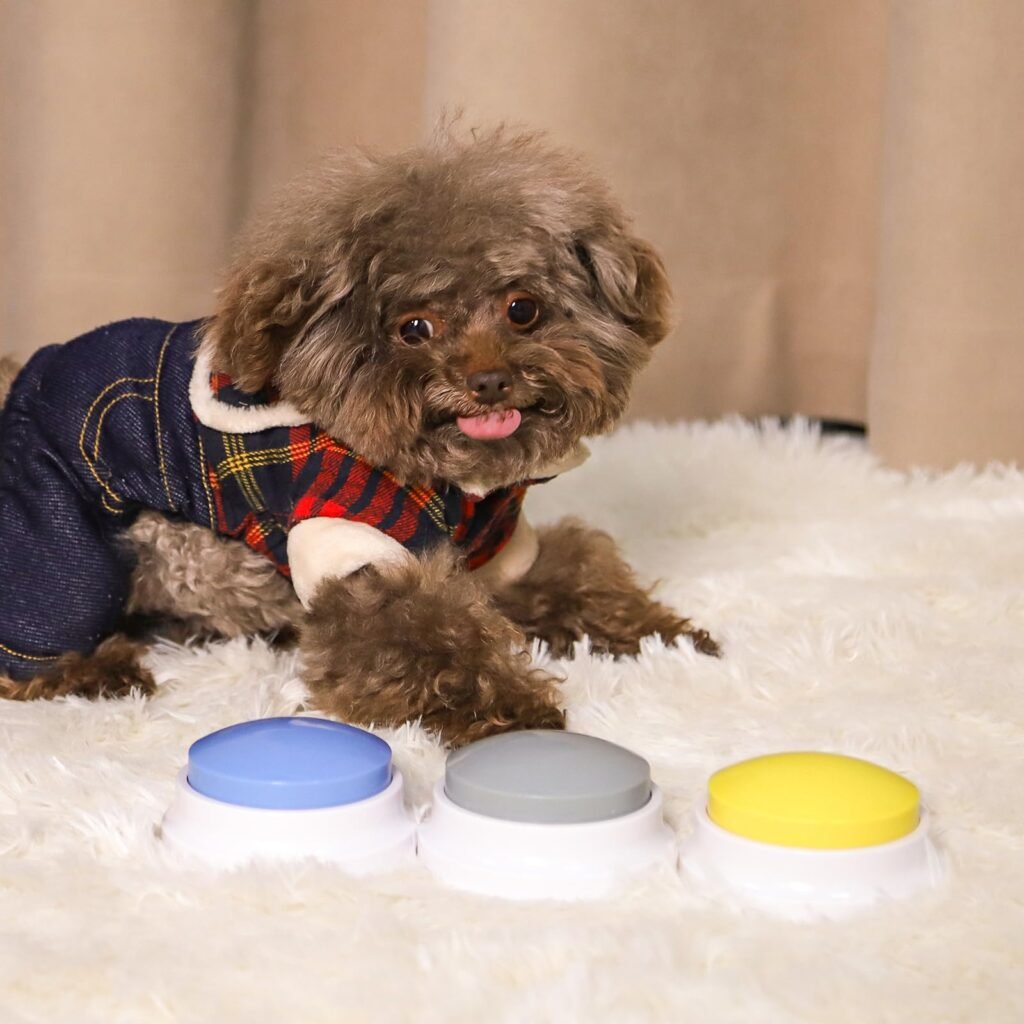
A Practical Example
A dog is being trained not to jump on people.
One day, the owner reinforces calm behavior.
The next day, they react late.
The next, they ignore it.
From the human perspective:
👉 training is happening
From the dog’s perspective:
👉 the rules are unclear
So progress appears slow.
Step-by-Step Adjustment
Step 1: Redefine Progress
Stop looking for big changes.
Look for:
- small improvements
- shorter reaction times
- reduced intensity
These indicate learning.
Step 2: Maintain Consistency Over Intensity
Doing less, but consistently, is more effective than doing more with variation.
Step 3: Allow Time Between Changes
Introducing new adjustments too quickly interrupts learning.
Give time for patterns to stabilize.
Step 4: Accept Regression as Part of the Process
Regression is not failure.
It is:
👉 part of consolidation
Common Problems
“It was working, now it stopped”
This is normal.
Behavior stabilizes through variation before becoming consistent.
“My pet forgets what it learned”
It didn’t forget.
The context changed.
And behavior is context-dependent.
“It should already understand”
Understanding takes longer than repetition.
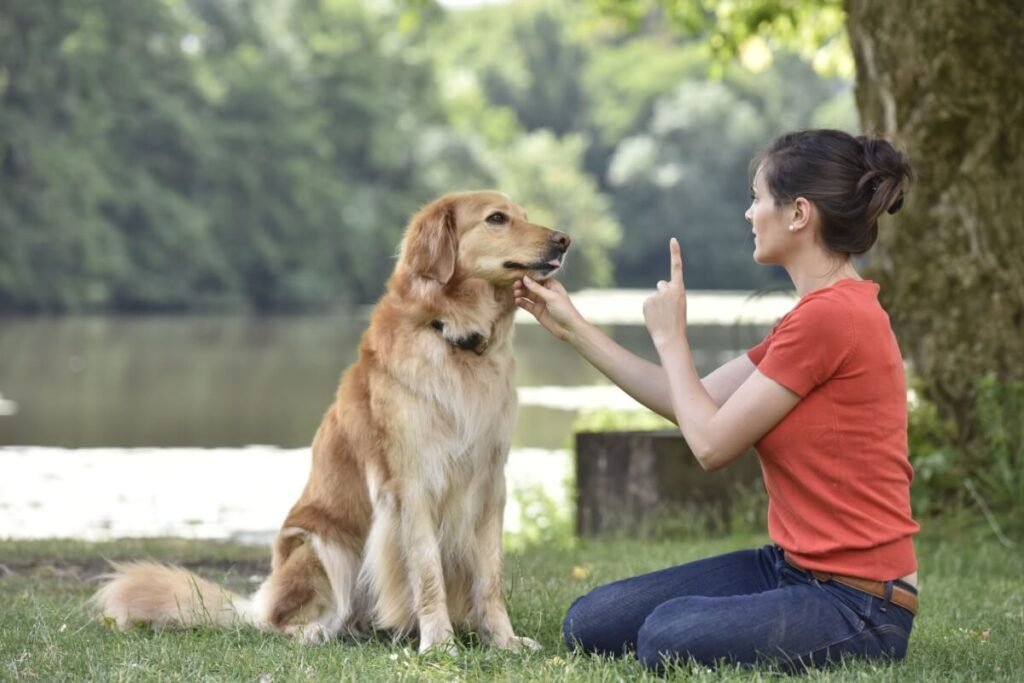
Special Cases
Some animals learn slower due to:
- past experiences
- lack of early structure
- sensitivity to environment
This doesn’t mean they can’t learn.
It means they require more time.
The Bigger Shift
Most people try to accelerate learning.
But learning cannot be forced.
It can only be:
👉 structured and repeated over time
The Perspective Change
Instead of asking:
👉 “Why is this taking so long?”
Ask:
👉 “Am I giving this enough consistent time?”
Because time is not a delay.
👉 it’s part of the process
Conclusion
Your pet is not slow.
It is learning at a natural pace.
The frustration comes from expecting human speed in an animal process.
Once expectations adjust:
- pressure decreases
- consistency improves
- progress becomes visible
Not because the pet changed.
👉 but because the timeframe finally made sense
And when time aligns with process…
👉 learning becomes inevitable.