Your Cat Is Not Being Difficult — It’s Trying to Survive a World That Feels Wrong
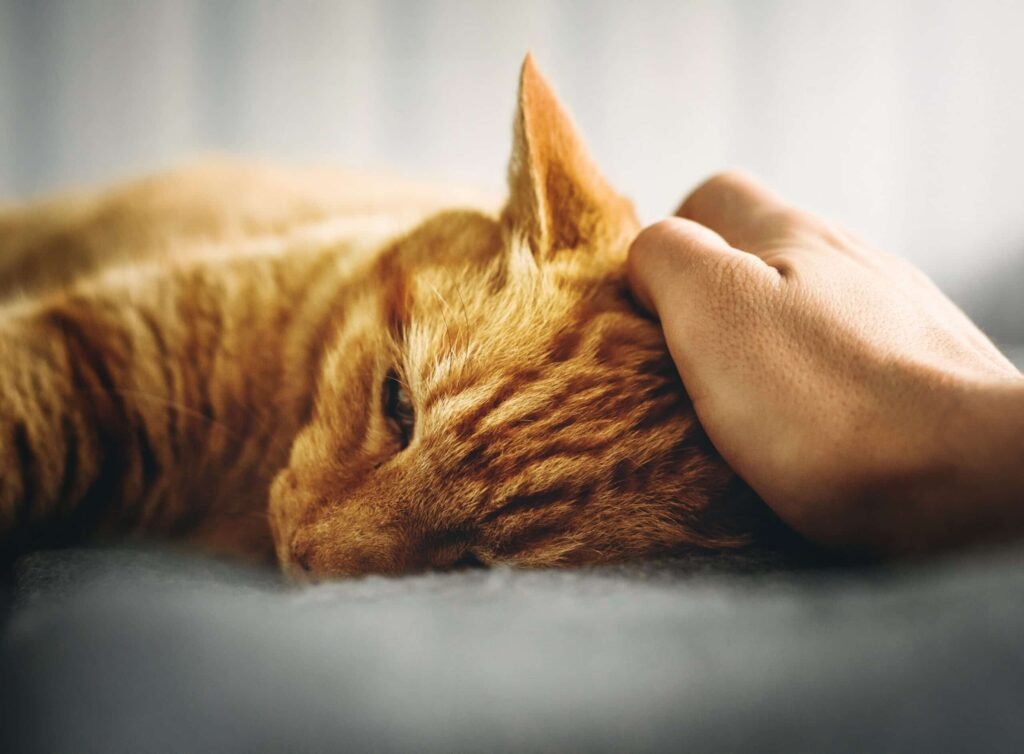
At first, many cat owners use the same words over and over when trying to explain behavior they do not understand. The cat is “difficult,” “stubborn,” “cold,” “dramatic,” or “impossible to deal with.” Maybe it scratches the sofa instead of the scratching post, hides when guests arrive, knocks objects off shelves, vocalizes at night, refuses affection on your schedule, or suddenly reacts in a way that feels completely opposite to what happened the day before. From a human perspective, these behaviors can easily feel personal, frustrating, and sometimes even disrespectful. The problem is that most of the time, the cat is not being difficult at all. It is simply living inside an environment that makes much less sense to it than it does to you. Humans move through the house with logic, routine, and emotional assumptions that feel normal to us. We decide where furniture goes, when lights turn on, when noises happen, when doors open and close, when strangers enter, and when physical interaction should happen. To us, all of this feels structured. To a cat, however, the same environment can sometimes feel inconsistent, overstimulating, and full of signals that do not align with its instincts. This is where many so-called behavior problems begin. The issue is often not the cat’s personality. The issue is that the world around it is asking it to adapt constantly to a system designed entirely for humans. Cats are highly territorial, pattern-sensitive, and environmentally aware animals. They do not simply “live in your house.” They actively map it. Every sound, smell, movement path, resting location, vertical space, and access point becomes part of how they understand safety. When something changes in that environment, even something that feels minor to a human, it can significantly affect how the cat behaves. Why Your House Makes More Sense to You Than to Your Cat One of the biggest misunderstandings in cat behavior is assuming that because the home feels stable to you, it must also feel stable to the cat. Humans often underestimate how deeply cats rely on environmental consistency. A moved chair, a new scent, a closed door that is normally open, a new person in the room, or even a different cleaning product can all change how the cat interprets its surroundings. What feels like a small change to you may completely alter a familiar pathway, scent marker, or resting zone from the cat’s perspective. Suddenly, the environment that once felt predictable becomes uncertain. This uncertainty often shows up through behaviors owners label as difficult. Hiding, pacing, increased vocalization, scratching, or refusal to use certain areas of the house are often not acts of defiance. They are responses to a space that no longer feels fully understood. The cat is not trying to challenge you. It is trying to re-establish control inside its own map of the environment. Why “Bad Behavior” Is Often Stress Output Another major issue is that cats often express stress through behaviors that humans interpret emotionally. Scratching furniture, knocking objects off counters, nighttime vocalization, sudden bursts of movement, or avoidance are all commonly labeled as attitude problems. In reality, these actions are often stress output. A cat that scratches the sofa may not be ignoring the scratching post out of stubbornness. It may be choosing the location that feels most emotionally relevant, visible, or strategically placed for scent and claw marking. A cat vocalizing at night may not be “trying to annoy you.” It may be responding to energy rhythm, environmental silence, or unmet stimulation needs during the day. What looks like difficulty is often communication. The problem is that humans often respond to the action instead of asking what internal state produced it. Why Cats Need a World That Matches Their Instincts Cats are animals built around territory, control, observation, and choice. Vertical space matters. Escape routes matter. Resting zones matter. Quiet access points matter. Predictable feeding and interaction rhythms matter. When the environment removes too much choice, behavior often begins to change. For example, a cat forced into constant interaction without the ability to retreat may become more avoidant. A cat living in a noisy, highly unpredictable space may become hypervigilant. A cat without enough climbing, hiding, or territory control may begin using furniture and counters in ways the owner interprets as difficult. From the cat’s perspective, it is often trying to create order inside a world that does not naturally fit its instincts. The Bigger Perspective Shift The most important shift is understanding that your cat is rarely being difficult in the emotional way humans imagine. More often, it is adapting to a world built for a completely different species. The home makes sense to you because you designed it. The cat is trying to make sense of it through instinct. Once you start viewing behavior through environmental logic rather than personality judgment, many problems stop feeling random. Conclusion Your cat is often not difficult at all. In many cases, it is simply living inside a world that does not fully make sense from its biological and territorial perspective. What humans label as stubbornness, coldness, or attitude is often stress output, territorial adjustment, or instinctive adaptation. The goal is not to force the cat to fit human logic. The goal is to make the environment easier for the cat to understand. That is where calmer behavior, stronger trust, and better routines usually begin. David Bencivenga Writer, advertising copywriter and SEO analyst, I am originally from New York and have been passionate about reading and writing since I was little. Books have always been my companions and favorite pastime, which led me to my profession. I hope you enjoy each of my texts and that they can help you in some way. Happy reading!
Your Pet Is Watching You More Than You Realize — And It’s Learning From Every Pattern You Repeat

Most people grow up believing that the human is the one studying the pet. You watch the way your dog reacts to the leash, the way your cat approaches the kitchen, the way your bird changes posture when someone enters the room, or the way your rabbit moves differently depending on the time of day. It feels natural to assume that all the observation is happening in one direction. The reality, however, is far more interesting and, in many cases, far more important for understanding behavior. Your pet is watching you constantly. Not in a human, emotional, or dramatic sense, but in a deeply instinctive and pattern-driven way. Long before you consciously notice changes in its behavior, your pet has already been collecting information about you. Your footsteps, the sound of your keys, the way you reach for a specific cabinet, the time you usually wake up, the way your voice changes before feeding time, and even the rhythm of your movement through the house all become meaningful signals. To you, these actions may feel ordinary and almost invisible. To your pet, they are data. This is one of the biggest perspective shifts in understanding animal behavior: your pet does not only learn from direct commands, treats, or training sessions. In many cases, it learns more from the patterns you repeat every day than from the moments you intentionally try to teach something. The moment you start seeing yourself as part of your pet’s learning environment, a lot of “mysterious” behavior starts making sense. Why Your Routine Becomes a Language One of the most powerful ways your pet learns from you is through routine. Animals are highly sensitive to repetition because repetition creates predictability, and predictability creates safety. Over time, the smallest repeated actions begin to form a language your pet can understand. For example, a dog may begin reacting the moment you put on shoes, long before you ever touch the leash. A cat may move toward the kitchen as soon as you stand up from the couch at a certain hour. A bird may become vocal the second it hears the sound of a food container opening. A rabbit may leave its hiding spot when it hears a specific door open at night. What makes this fascinating is that the pet is not waiting for the final event. It is reading the sequence. It learns that one action leads to another, and over time it starts predicting the outcome before it happens. This means your routine itself becomes a form of communication. Without saying a word, you are constantly telling your pet what is likely to happen next. That is why repeated daily actions become so deeply linked to behavior. Why Your Body Language Teaches More Than Your Words Another thing many owners underestimate is how much animals learn from physical cues rather than spoken language. Humans often focus heavily on words because words are our primary communication tool. Animals, however, often rely much more on movement, posture, tone, speed, and direction. A dog may not fully process the exact sentence you are saying, but it absolutely notices the speed of your walk, the tension in your shoulders, the way you approach it, and the tone behind your voice. A bird may react more strongly to the way your hand moves than to what you verbally say. A cat may decide whether to approach based on your posture rather than your call. This means your body is constantly teaching. The way you bend down. The way you reach. The speed of your movement. The direction of your gaze. All of these become cues. Over time, your pet begins building associations around them. This is why some animals seem to “know” what is about to happen before the obvious event begins. They are reading your body long before the action itself unfolds. Why Emotional Energy Quietly Shapes Behavior One of the most overlooked aspects of this learning process is emotional energy. Animals are often highly sensitive to shifts in emotional atmosphere, even when humans do not realize they are projecting anything outward. A change in tone. A rushed movement. A stressed pace. A louder-than-usual voice. These things matter. Many pets quickly learn the difference between your calm state, your distracted state, your excited state, and your tense state. Over time, they begin adjusting their own behavior around those patterns. For example, a dog may become more alert when it senses you are preparing to leave. A cat may keep distance when your energy feels rushed. A bird may become quieter or more vocal depending on the emotional environment of the room. This is not magic. It is observation and repetition. The animal has learned that certain emotional patterns in you usually predict specific outcomes. In this way, your emotional rhythm becomes part of what your pet studies every day. Why You Are Always Training, Even Without Realizing It One of the most important mindset shifts is understanding that training is not limited to formal sessions. You are teaching your pet all the time, whether you intend to or not. Every repeated reaction. Every consistent schedule. Every response pattern. Every environmental cue. All of these teach. If you always respond to barking by moving toward the door, the dog learns that sequence. If the cat receives food every time you enter the kitchen at a specific hour, it learns that rhythm. If the bird gets attention every time it vocalizes in a certain tone, it begins associating that sound with social response. This means daily life itself becomes a training system. Your pet is constantly learning from what you repeat. Sometimes the strongest lessons are the ones you never meant to teach. The Bigger Perspective Shift The most important thing to understand is that your pet is not simply reacting to isolated moments. It is building a predictive model of your behavior over time. It studies patterns. Sequences. Timing. Movement. Energy. Routine. In many ways, you are one of
The Power of Slow: Why Your Turtle’s Pace Is One of Its Healthiest Signs

At first, many turtle owners instinctively compare their pet to faster animals around the house. A dog runs when excited, a cat jumps onto furniture in seconds, and even smaller pets often move with quick, reactive bursts. Then there is the turtle, calmly crossing the enclosure one careful step at a time, pausing often, and moving with what seems like almost exaggerated slowness. To a human perspective, this can immediately raise concern. It is easy to wonder whether the turtle is tired, lazy, weak, or perhaps even sick. The truth is that this assumption usually comes from applying mammal expectations to a reptile whose body works in a completely different way. A turtle is not slow because something is wrong. A turtle is slow because its body is built for efficiency, conservation, and long-term survival. What many owners first interpret as low energy is often one of the clearest signs of natural and healthy turtle behavior. In fact, the slower pace is not just normal, it is deeply connected to the way turtles regulate energy, protect their body, and support long-term health. Unlike mammals, which constantly burn energy to maintain internal body temperature and high metabolic activity, turtles are reptiles, and reptiles follow a very different biological system. Their bodies are designed to conserve resources, reduce unnecessary effort, and move only when movement serves a purpose. This is exactly why slow movement is not a warning sign by itself. For many turtles, it is one of the strongest visible indicators that the body is functioning the way nature intended. Why Slow Movement Is Built Into Turtle Biology One of the most important things to understand is that turtles are ectothermic animals, which means they rely on external heat sources to regulate their body temperature. Because of this, their metabolism is naturally slower than that of mammals. A slower metabolism affects almost every function in the body, including digestion, appetite, activity level, rest cycles, and movement speed. This means the turtle’s body is not designed for constant fast motion. Instead, it is built around deliberate and efficient movement. Every step tends to be purposeful rather than impulsive. A turtle moves when it needs something: heat, food, water, shelter, or a preferred resting spot. Outside of those needs, unnecessary movement often offers no biological advantage. That is why many healthy turtles appear calm, measured, and almost methodical in the way they move through their environment. The slowness is not a lack of vitality. It is the body working exactly as it should. Why Slow Movement Actually Protects the Body Another reason this slower pace is so important is because it helps protect the body from unnecessary physical stress. Turtles carry significant structural weight through their shell and skeletal design, and their movement pattern naturally distributes effort in a controlled way. Fast, frantic, or constant movement would actually place more mechanical strain on the body. By moving slowly, the turtle conserves muscular energy and reduces physical wear over time. This is one of the hidden reasons why turtles are such long-lived animals. Their entire biological system favors conservation over excess. The slower pace helps support long-term stability, lower metabolic demand, and reduced physical stress. In this sense, the slowness is not just normal. It is protective. Why Owners Often Misread the Pace One of the biggest reasons owners become concerned is because humans naturally associate speed with health and slowness with weakness. In human terms, low speed often feels connected to tiredness, illness, or aging. But turtles should never be evaluated through mammalian standards. The correct question is not whether the turtle is fast. The correct question is whether the turtle is moving normally for its species, age, and environment. A turtle that slowly moves toward food, consistently seeks its basking spot, enters and exits the water naturally, and changes position throughout the day is often displaying very healthy behavior. The pace itself is not the issue. The consistency of the behavior is what matters. When Faster Movement Can Be More Concerning Ironically, unusually fast or frantic movement can sometimes be more concerning than normal slowness. A turtle repeatedly scratching the enclosure walls, pacing restlessly, or moving in an agitated way may be responding to stress, poor enclosure conditions, temperature imbalance, or unmet needs. By contrast, calm and controlled movement often reflects stability. This is why slowness is often reassuring rather than alarming. A measured pace often suggests that the turtle feels safe and biologically regulated. The Bigger Perspective Shift The most important shift is understanding that turtles are not meant to move like dogs, cats, or other faster pets. Their health is not measured by speed. It is measured by rhythm. Steady appetite. Consistent posture. Healthy shell condition. Normal basking behavior. Predictable movement patterns. When those elements are present, slow movement is often exactly what healthy turtle behavior should look like. Conclusion Your turtle moves slowly not because it is weak, tired, or unhealthy, but because its body is designed for efficient and deliberate movement. That pace helps preserve energy, reduce physical stress, and support long-term biological balance. Sometimes the exact thing that first makes an owner worry is actually one of the best signs of natural health. Its slowness is not a flaw. It is one of the clearest expressions of how perfectly its body was designed to survive. David Bencivenga Writer, advertising copywriter and SEO analyst, I am originally from New York and have been passionate about reading and writing since I was little. Books have always been my companions and favorite pastime, which led me to my profession. I hope you enjoy each of my texts and that they can help you in some way. Happy reading!
Why Your Pet Is Not “Unpredictable” — You’re Just Missing the Pattern
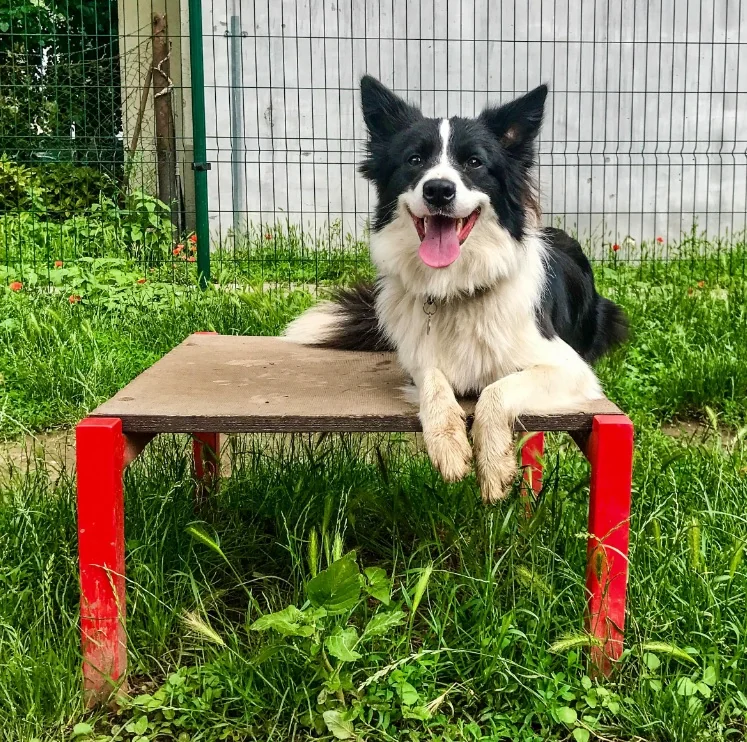
Many pet owners eventually reach a point where they feel completely confused by their animal’s behavior. One day the pet seems affectionate, calm, and eager to interact, and the next it behaves in a way that feels completely different. Sometimes it comes running for attention, follows every movement around the house, and responds immediately to its routine. Other times it seems distant, quiet, avoidant, or suddenly less interested in the same interactions it enjoyed before. To the human eye, this can quickly start to feel random, inconsistent, and difficult to understand. This is usually the moment when people start using one specific word: unpredictable. They begin to believe their pet changes moods without reason, acts differently for no clear cause, or behaves in ways that simply cannot be anticipated. Over time, this belief becomes emotionally frustrating because unpredictability feels impossible to fix. If something is truly random, it feels like there is no clear way to improve it, understand it, or respond to it. But in most cases, that assumption is not actually true. The truth is that your pet is usually not unpredictable at all. What feels random is often a pattern that has not yet been noticed. The behavior is usually following a structure, a trigger, a routine, or an environmental cue that is easy to miss when looking at the situation only from a human perspective. This is one of the biggest mindset shifts in understanding animal behavior. The issue is often not the pet. The issue is the pattern going unnoticed. One of the most important things to understand is that animals rarely behave in isolation. What humans often label as sudden mood changes are usually responses to something very specific. That “something” can be internal, environmental, emotional, biological, or linked to routine. For example, a dog that suddenly becomes less interactive in the evening may not be acting unpredictably at all. It may simply be responding to exhaustion after a highly stimulating day. A cat that becomes affectionate only at certain hours is often following a routine connected to comfort, temperature, hunger, or habit. A bird that seems warm with one person but distant with another is often responding to tone of voice, movement speed, or previous associations. What feels random to the owner is often a consistent reaction to variables that are not immediately obvious. Animals are constantly responding to cues. Sound, light, movement, body language, timing, smell, energy in the room, and routine all influence behavior. Once you begin looking for what happens before the behavior instead of focusing only on the visible reaction, patterns begin to appear much more clearly. One of the biggest reasons people miss the pattern is because they focus only on the outcome. An owner may say, “My pet suddenly became distant,” but the more important question is what happened before that. Was there loud noise in the environment? Did the feeding time change? Was the routine disrupted? Did a new person enter the house? Was another animal nearby? Was the pet handled differently than usual? Behavior is often the result, not the beginning. The real pattern usually starts before the visible response. When people focus only on the reaction, the cause remains invisible, and the behavior begins to feel random even though it is not. Timing is another hidden pattern that many owners overlook. Animals are often deeply routine-driven. Many behaviors repeat according to time-based cues such as feeding schedules, sleep cycles, changes in room temperature, light exposure, and household activity levels. A pet that becomes more energetic at night is not suddenly changing personality. It may simply be following its natural rhythm. A reptile that becomes less responsive during cooler hours is not behaving unpredictably. It is responding to body temperature regulation. A rabbit that seems restless shortly before feeding time is often displaying anticipatory behavior linked to habit. Another major reason behavior feels random is human emotional projection. People naturally assign human motives to animal actions. They may think, “He is being moody,” or “She is ignoring me on purpose.” While these interpretations feel emotionally intuitive, they often hide the real pattern. Animals do not process situations the same way humans do. What feels like moodiness may simply be overstimulation. What feels like stubbornness may actually be confusion. What feels like avoidance may be stress, discomfort, or uncertainty. Once emotional interpretation is replaced with observation, the behavior becomes much easier to decode. The most useful question you can ask is simple: does this happen under similar conditions? That single question changes everything. Once the same behavior repeats under similar triggers, the illusion of unpredictability starts to break. Maybe the pet becomes distant after visitors arrive. Maybe it becomes vocal at the same time every evening. Maybe it avoids interaction after being handled too much. Maybe it becomes extremely active right before meals. Patterns often hide inside repetition, and once those repetitions are connected to the surrounding conditions, what seemed random starts to look highly predictable. The biggest perspective shift is understanding that your pet is almost always responding to something. The behavior is rarely happening without cause. Instead of asking, “Why is my pet acting weird?” the better question is, “What happened before this?” That question is where understanding begins. In most cases, your pet is not unpredictable. You are simply still learning the pattern that drives the behavior. Once you start observing what happens before the behavior, how often it repeats, and under which conditions it appears, the confusion begins to fade. Your pet is rarely acting without reason. More often, the reason is already there. You just have to start seeing it. David Bencivenga Writer, advertising copywriter and SEO analyst, I am originally from New York and have been passionate about reading and writing since I was little. Books have always been my companions and favorite pastime, which led me to my profession. I hope you enjoy each of my texts and that they can help you in some way. Happy reading!
Why Your Pet Is Not “Unpredictable” — You’re Just Missing the Pattern

Many pet owners reach a point where they feel completely confused by their animal’s behavior. One day the pet seems affectionate, calm, and responsive, and the next day it behaves in a way that feels completely different. Sometimes it comes running for attention, and other times it avoids interaction altogether. It may respond instantly to a routine one day and appear to ignore the exact same cue the next. To the human eye, this quickly starts to feel random. This is the moment where many people use one specific word. Unpredictable. They begin to believe their pet changes moods without reason, behaves differently for no clear cause, or acts in ways that simply cannot be understood. Over time, this belief becomes emotionally frustrating because unpredictability feels impossible to solve. If something is truly random, there is no clear way to improve it. But in most cases, that assumption is not actually true. The truth is that your pet is usually not unpredictable at all. What feels random is often a pattern that has not yet been recognized. The behavior is usually following a structure, a trigger, or an environmental cue that is easy to miss when looking at the situation only from a human perspective. This is one of the biggest mindset shifts in understanding animal behavior. The issue is often not the pet. The issue is the pattern going unnoticed. Behavior Always Follows Something One of the most important things to understand is that animals rarely behave in a vacuum. What humans often label as sudden mood changes are usually responses to something very specific. That “something” can be internal, environmental, emotional, biological, or routine-based. For example, a dog that suddenly becomes less interactive in the evening may not be acting unpredictably. It may be responding to exhaustion after a highly stimulating day. A cat that becomes affectionate only at certain hours is often following a routine linked to comfort, temperature, hunger, or established habit. A bird that seems friendly with one person but distant with another is often responding to tone, movement speed, or previous associations. What feels random to the owner is often a consistent reaction to variables that are not immediately obvious. Animals are constantly responding to cues. Sound. Light. Movement. Energy. Routine. Body language. Smell. Timing. All of these influence behavior. Once you begin looking for what happens before the behavior instead of focusing only on the behavior itself, patterns begin to appear. The Human Mistake: Looking Only at the Reaction One of the biggest reasons people miss the pattern is because they focus only on the visible reaction. For example, an owner may say: “My pet suddenly became distant.” But the real question is: What happened before that? Was there loud noise in the environment? Did the routine change? Was feeding time delayed? Was the pet handled differently? Did a new person enter the house? Did another animal come near? Behavior is often the result, not the beginning. The pattern usually starts before the visible response. This is why looking only at the reaction creates the illusion of unpredictability. The cause remains invisible. The behavior feels random. But once you trace backward, the structure often becomes clear. Timing Is Often the Hidden Pattern Another reason behavior feels unpredictable is because people underestimate timing. Animals are highly routine-driven. Many behaviors repeat according to time-based cues. This includes feeding times, sleep cycles, temperature changes throughout the day, and even light exposure. A pet that becomes more energetic at night is not suddenly changing personality. It may simply be following its natural rhythm. A reptile that becomes less responsive during cooler hours is not behaving unpredictably. It is responding to body temperature regulation. A rabbit that seems restless before feeding time is often showing anticipatory behavior linked to routine. These patterns are incredibly common. The problem is that many owners do not yet associate time and environment with behavior. Once they do, the randomness starts disappearing. Emotional Projection Creates False Randomness Another major factor is human emotional projection. People often assign human motives to animal behavior. For example: “He is being moody.” “She is ignoring me on purpose.” “He woke up in a bad mood.” These interpretations feel emotionally intuitive, but they often hide the real pattern. Animals do not process situations the way humans do. What feels like moodiness may simply be overstimulation. What feels like ignoring may be fear. What feels like stubbornness may be confusion. Once emotional projection is removed, the behavior becomes easier to decode. The Pattern Is Usually Repetition The most useful question is this: Does this happen under similar conditions? That question changes everything. Because once the same behavior repeats under similar triggers, the unpredictability illusion breaks. Maybe the pet becomes distant after visitors arrive. Maybe it becomes vocal at the same hour daily. Maybe it avoids interaction after being handled too much. Maybe it becomes highly active before meals. Patterns often hide inside repetition. The issue is that owners sometimes notice the behavior but not the condition surrounding it. Once those two pieces are connected, what seemed random starts looking highly predictable. The Bigger Perspective Shift Your pet is usually not changing for no reason. The behavior is almost always responding to something. The real shift is moving from emotional interpretation to observational interpretation. Instead of asking: “Why is my pet acting weird?” ask: “What happened before this?” That question is where understanding begins. Because in most cases, your pet is not unpredictable. You are simply still learning the pattern. Conclusion The idea that your pet is unpredictable is often more about perspective than reality. Most animal behavior follows clear triggers, routines, and environmental cues. What feels random is often a pattern that has not yet been noticed. Once you start observing what happens before the behavior, how often it repeats, and under which conditions it appears, the confusion begins to fade. Your pet is rarely acting without reason. More often, the reason is already there. You just have
Why Your Pet Is Not “Unpredictable” — You’re Just Missing the Pattern

Introduction One of the most common phrases pet owners use is: “My pet is unpredictable.” It seems like a reasonable conclusion. One day the dog is calm, the next it reacts aggressively.The cat seeks attention, then suddenly avoids contact.Behavior changes without warning, without explanation. From the human perspective, it feels random. But in reality, animal behavior is rarely random. 👉 It only looks that way when you don’t see the pattern. Why This Matters When behavior is labeled as unpredictable, the response becomes passive. Owners stop trying to understand and start reacting instead. They think: This blocks learning. Because if something is random, it can’t be understood. But if it follows a pattern… 👉 it can be anticipated The Human Limitation The issue is not that animals behave randomly. The issue is that humans observe selectively. We notice: But we ignore: So we see events, not sequences. Behavior Is a Chain, Not an Event Every action has a buildup. Before a dog reacts, there are signs: Before a cat withdraws, there are signals: These signals are consistent. But they are easy to miss. Why Patterns Go Unnoticed There are three main reasons. 1. Timing The cause of behavior often happens earlier than expected. By the time the reaction appears, the trigger is already gone. 2. Subtlety Animals communicate in small changes. Not obvious ones. If you’re not looking for them, you don’t see them. 3. Human Focus Humans focus on outcomes. Animals operate through processes. This mismatch creates misunderstanding. The Illusion of Sudden Behavior When you miss the buildup, behavior feels sudden. But it’s not. It’s just: 👉 unseen progression Like a wave that was forming before it reached the surface. Step-by-Step Awareness Shift Step 1: Stop Reacting Immediately When something happens, pause. Don’t correct instantly. Observe. Step 2: Rewind Mentally Ask: 👉 “What happened before this?” Look for: Step 3: Look for Repetition Patterns don’t appear once. They repeat. Start noticing: Step 4: Focus on Small Signals Pay attention to: These reveal more than the final behavior. Common Misinterpretations “It came out of nowhere” It didn’t. You just didn’t see the buildup. “My pet changes personality” Behavior changes based on context. Not personality. “Sometimes it listens, sometimes it doesn’t” There is always a difference in conditions. Even if it’s subtle. Special Cases Some pets have: This makes patterns harder to detect. But not impossible. It just requires more observation. The Bigger Shift The real change is not in the pet. It’s in how you observe. From: 👉 event-based thinking To: 👉 pattern-based thinking This changes everything. The Perspective Change Instead of asking: 👉 “Why did this happen?” Ask: 👉 “What leads to this happening?” Because behavior is not isolated. It’s connected. Conclusion Your pet is not unpredictable. You are just missing the sequence that leads to its behavior. Once you start seeing patterns: Not because the animal changed. 👉 but because your perception did And when perception improves… 👉 confusion disappears. David Bencivenga Writer, advertising copywriter and SEO analyst, I am originally from New York and have been passionate about reading and writing since I was little. Books have always been my companions and favorite pastime, which led me to my profession. I hope you enjoy each of my texts and that they can help you in some way. Happy reading!
Frozen, Not Relaxed: What Your Rabbit’s Stillness Is Really Trying to Tell You
At first glance, many rabbit owners look at stillness and immediately interpret it as calmness. A rabbit sitting in one spot without moving, remaining silent, and appearing physically settled can easily give the impression that it feels safe and relaxed. From a human perspective, stillness often gets linked to comfort, rest, or trust because that is how people usually express calmness themselves. The problem is that rabbits do not always communicate safety in the same way humans expect, and this is where many owners begin to misunderstand what they are actually seeing in front of them. Unlike predators or more outwardly expressive pets, rabbits are prey animals by nature. Their body language is deeply shaped by survival instincts, environmental scanning, and rapid decision-making in response to perceived danger. Because of this, stillness can sometimes mean the exact opposite of calm. In many cases, a rabbit remaining completely frozen is not resting at all. It may be assessing the environment, processing a sound, reacting to an unfamiliar scent, or entering a fear-based freeze response. This distinction is one of the most important things to understand when learning rabbit behavior, because what looks peaceful to the owner may actually be a moment of internal alertness and tension. Why Rabbits Use Stillness as Protection One of the most overlooked facts about rabbits is that remaining motionless is often part of their natural survival strategy. In the wild, unnecessary movement can attract predators, especially birds of prey and larger animals that rely on visual detection. Because rabbits are naturally vulnerable animals, their first response to uncertainty is not always to run. Sometimes the first reaction is to stop completely and remain perfectly still while gathering information from the environment. This freeze response gives the rabbit time to decide whether movement is safe or whether immediate escape might actually increase danger. This behavior can happen even inside a home environment. A sudden sound in another room, footsteps approaching, an unfamiliar voice, a new scent, or a shadow moving across the floor can all trigger this response. To the owner, the rabbit may simply look calm and quiet, but from the rabbit’s perspective, it may be fully alert, tense, and waiting for more information before deciding what to do next. This is why context matters so much when interpreting stillness. The Difference Between Calm Stillness and Fear Stillness A genuinely relaxed rabbit usually shows more than simple stillness. The body tends to look loose rather than rigid, the muscles appear soft, and the overall posture feels natural. In many cases, a calm rabbit may stretch its body out, rest its paws comfortably, and keep its breathing slow and steady. Sometimes the eyes may look partially relaxed, and the ears will often sit in a more neutral position rather than being sharply focused. Fear-based stillness usually feels different once you know what to look for. The body may appear more compact, the muscles may look tight, and the rabbit may seem almost “locked” into position. The ears are often more alert, the eyes wider, and the breathing sometimes slightly faster. Even without movement, the body often communicates tension. This is why owners need to look beyond stillness itself and start reading the full posture. Why Owners Often Misread the Behavior A big reason this behavior gets misunderstood is because people naturally interpret animal emotion through human logic. Humans often associate stillness with peace, comfort, and rest. But prey animals frequently use stillness as a protective strategy rather than a comfort signal. This means a rabbit can appear calm while internally feeling stressed, uncertain, or cautious. The issue is not that the rabbit is behaving unpredictably. The issue is that the same visible behavior can have different emotional meanings depending on context. Stillness after eating and grooming is very different from stillness immediately after a loud noise or sudden movement. This is where observation becomes more important than assumption. Conclusion When your rabbit stays completely still, it does not automatically mean it feels calm. Sometimes it does, but other times the stillness is part of a natural freeze response linked to fear, uncertainty, or environmental awareness. The difference lies in posture, breathing, ear position, and what happened immediately before the stillness began. Learning to tell the difference between rest and freeze is one of the most important parts of understanding rabbit behavior. Sometimes the body is quiet, but that does not always mean the mind is at peace. David Bencivenga Writer, advertising copywriter and SEO analyst, I am originally from New York and have been passionate about reading and writing since I was little. Books have always been my companions and favorite pastime, which led me to my profession. I hope you enjoy each of my texts and that they can help you in some way. Happy reading!
The Mistake That Keeps Repeating Isn’t Random — Your Pet May Be Learning It From You

Few things frustrate pet owners more than seeing the same unwanted behavior happen again and again. Maybe your dog keeps jumping on guests even after being told not to. Maybe your cat continues scratching the same corner of the sofa, your bird keeps screaming at the same hour, or your rabbit repeatedly chews the same area it is not supposed to touch. After enough repetition, many owners begin to assume the pet is being stubborn, difficult, or simply refusing to learn. The reality is often much less emotional and much more behavioral. In many cases, your pet is not repeating the mistake because it “doesn’t understand.” It is repeating it because something in the environment, routine, or human response is reinforcing that exact pattern. What feels like repeated failure is often repeated learning. The uncomfortable truth is that owners frequently teach unwanted behavior without realizing it, not through direct instruction, but through repetition, timing, and reaction. This is one of the biggest mindset shifts in understanding animal behavior. Pets do not only learn what you intentionally teach. They learn what consistently produces an outcome. That outcome can be attention, movement, stimulation, food, escape, or even emotional reaction from you. Once a behavior leads to something meaningful, the brain begins remembering it. And once the brain remembers it, repetition becomes much more likely. Why Repetition Usually Means Reinforcement Animals rarely repeat behaviors that produce no result. Repetition usually means that something about the action is working from the pet’s perspective. The important thing to understand is that “working” does not necessarily mean it is achieving what you think it is. For example, a dog that jumps on guests may receive eye contact, touch, speech, or movement every single time it does it. Even if the human response is frustration, the dog may still interpret the interaction as stimulation and attention. The same principle applies to many other species. A cat that knocks objects off a shelf may have learned that the sound, movement, and human response create an interesting chain of events. From the owner’s perspective, the pet keeps making the same mistake. From the pet’s perspective, the action keeps producing something memorable. That is reinforcement. And reinforcement is what creates repetition. How Timing Quietly Teaches the Wrong Lesson One of the most common ways owners accidentally teach repeated mistakes is through timing. Animals learn through immediate association far more than delayed logic. This means the brain connects the behavior to whatever happens directly after it. If a dog barks and the owner immediately responds by speaking, moving, or approaching, the barking may become linked to social response. If a bird screams and instantly receives attention, the behavior can become stronger over time. If a cat scratches the sofa and is only redirected much later, the original action may still remain the stronger learned pattern. This is why timing matters so much. The pet is not learning from intention. It is learning from sequence. Behavior followed by result becomes memory. Memory becomes habit. Habit becomes repetition. Why Inconsistency Makes the Pattern Worse Another major issue is inconsistent correction or reinforcement. Many owners react differently depending on mood, time of day, or energy level. One day the pet is ignored for the behavior, the next day it receives attention, and another day it is corrected. From a human perspective, this may feel normal. From the pet’s perspective, it creates a confusing but highly powerful reinforcement cycle. Intermittent reinforcement often makes behaviors even harder to break because the animal keeps repeating the action in anticipation that this time it may work again. This is the same reason repeated mistakes can feel almost impossible to stop. The behavior has learned that trying again sometimes leads to a reward. Why the “Mistake” Often Meets a Need Another perspective that many owners miss is that repeated unwanted behavior often fulfills an unmet need. Excess energy, boredom, lack of stimulation, territorial instinct, social need, or environmental stress can all make the same action repeat. The pet is not repeating the behavior because it enjoys being wrong. It is often repeating the behavior because it solves something internally. Stress. Energy. Need for attention. Need for control. This is why simply trying to stop the action without understanding the need behind it often fails. The visible mistake is often only the output. The Bigger Perspective Shift The most important shift is understanding that repeated mistakes are often repeated lessons. If the behavior keeps happening, something about the environment or response system is teaching it. Sometimes the lesson is attention. Sometimes it is stimulation. Sometimes it is relief. Sometimes it is accidental reward. The pet is not failing to learn. It may actually be learning extremely well. Just not the lesson you intended. Conclusion When your pet repeats the same mistake, the issue is often not stubbornness or disobedience. More often, the behavior has been reinforced through timing, reaction, inconsistency, or unmet internal needs. The uncomfortable truth is that many repeated mistakes are behaviors humans accidentally help strengthen. Once you start looking at what happens immediately after the action and what need the behavior fulfills, the repetition begins to make much more sense. Sometimes the problem is not that your pet won’t learn. Sometimes it has already learned exactly what the environment keeps teaching. David Bencivenga Writer, advertising copywriter and SEO analyst, I am originally from New York and have been passionate about reading and writing since I was little. Books have always been my companions and favorite pastime, which led me to my profession. I hope you enjoy each of my texts and that they can help you in some way. Happy reading!
Why Your Dog Ignores You — The Hidden Reason Most Owners Never Notice
If you have ever called your dog multiple times only to be completely ignored, you are not alone. Few things are more frustrating for a dog owner than feeling like their pet is choosing not to listen. You say their name once, then again, and maybe a third time with a louder voice, yet they keep doing exactly what they were doing before. Sometimes they continue sniffing the grass, staring at another dog, or simply walking away as if they never heard you at all. At first, it is easy to assume the reason is simple. Most people immediately think their dog is being stubborn. Some even believe the dog is acting out, being disobedient, or trying to “challenge authority.” But in most cases, that is not what is happening. The truth is much more subtle, and it is something many owners never stop to consider. Your dog may not actually be ignoring you in the way you think. In fact, what looks like bad behavior is often the result of communication, context, and learned associations. Once you understand the real reason behind it, the situation becomes much less frustrating and much easier to improve. It’s Usually Not About Disobedience Humans naturally interpret behavior through emotion. When another person ignores us, we often assume intention. We think they heard us and consciously decided not to respond. This same mindset is often projected onto dogs. But dogs do not process communication the way humans do. They do not sit there thinking, “I know what you want, but I’m not going to do it.” Instead, dogs respond based on patterns, repetition, reward, and environmental stimulation. They learn through association. Every word, gesture, or tone of voice becomes connected to previous experiences. For example, if you often call your dog’s name right before doing something they dislike — such as ending playtime, giving a bath, trimming nails, or putting them in a crate — they may begin associating that sound with something negative. To you, calling their name means “come here.” To them, it may mean “something unpleasant is about to happen.” This alone can reduce their willingness to respond. That does not mean they are ignoring you out of attitude. It means they have learned a different meaning from the one you intended. The Environment Is Often More Rewarding Than You One of the most hidden reasons dogs seem to ignore their owners is that the outside environment is simply more interesting. Think about what your dog experiences during a walk or at the park. There are smells everywhere. Other animals. People moving around. Cars. Birds. Leaves. Sounds. Wind. Dogs experience the world very differently from humans, especially through smell. A scent on the ground may be far more stimulating to them than your voice. This is where many owners misunderstand the behavior. They assume the dog is choosing to ignore them personally. In reality, the dog is simply focusing on what feels most engaging in that exact moment. Behavior follows value. If sniffing the grass feels more rewarding than coming back to you, that is what the dog will naturally prioritize. This is not disrespect. It is simply how behavior works. Your dog moves toward what currently feels most valuable. Inconsistency Creates Confusion Another reason this happens is inconsistency in the way commands are used. Many owners unknowingly change their words, tone, and expectations all the time. Sometimes they say: “Come.” Other times: “Come here.” Then: “Come on, buddy.” Then the dog’s name. Then louder repetition. From the dog’s perspective, these may not all mean the same thing. Dogs rely heavily on consistency. The more predictable your communication is, the easier it becomes for them to understand what is expected. If the same cue changes constantly, confusion begins to build. The dog may hesitate because they are not fully sure what behavior is being requested. This hesitation often gets mistaken for ignoring. But confusion and disobedience are not the same thing. Timing Changes Everything Another detail most owners never notice is timing. Dogs connect actions and consequences very quickly. If the reward comes too late, the association becomes weaker. For example, imagine your dog finally comes to you after being called three times. If you wait several seconds before praising them or giving a treat, they may not strongly connect the reward with the act of returning. Over time, this weakens the behavior. The response becomes less reliable. Immediate reinforcement is one of the most powerful ways dogs learn. The closer the reward is to the action, the stronger the association becomes. This is why timing matters so much. What feels like ignoring may actually be the result of weak reinforcement history. Stress and Overstimulation Play a Bigger Role Than People Think Sometimes the issue has nothing to do with training at all. Dogs can become overstimulated. Busy environments, loud noises, too many people, and constant movement can all make it difficult for them to focus. When a dog is mentally overloaded, even a familiar command may be harder to process. This is especially common in younger dogs, energetic breeds, or dogs that are still building confidence in outdoor environments. Stress also changes behavior. A nervous dog may appear to ignore commands when, in reality, they are too anxious to focus. Fear, excitement, and overstimulation can all override learned behaviors. This is why context matters so much. A dog that responds perfectly at home may behave very differently outside. That does not mean they forgot the training. It means the environment is affecting their ability to respond. The Shift That Changes Everything The moment you stop seeing this as defiance and start seeing it as communication, everything changes. Your dog is not trying to frustrate you. They are responding to the strongest signal in the moment. Sometimes that signal is a smell. Sometimes it is uncertainty. Sometimes it is previous negative associations. Sometimes it is overstimulation. The key is to make your presence, your voice, and your commands consistently valuable.