How to Care for a Guinea Pig Correctly

How to Care for a Guinea Pig Correctly requires understanding behavior, consistency, and environment. Many pet owners make mistakes by reacting instead of observing. Animals communicate through patterns, not words, and recognizing those patterns is essential. Each pet responds differently, so adapting your approach is key. A calm environment, gradual changes, and positive reinforcement make the biggest difference. Avoid forcing behaviors and instead guide your pet naturally. Over time, repetition builds habits, and habits shape behavior. Challenges are normal, especially in the beginning. Some animals take longer to adapt due to personality or past experiences. Patience is always more effective than force. When done correctly, this process improves not only behavior but also trust between you and your pet. How to Care for a Guinea Pig Correctly requires understanding behavior, consistency, and environment. Many pet owners make mistakes by reacting instead of observing. Animals communicate through patterns, not words, and recognizing those patterns is essential. Each pet responds differently, so adapting your approach is key. A calm environment, gradual changes, and positive reinforcement make the biggest difference. Avoid forcing behaviors and instead guide your pet naturally. Over time, repetition builds habits, and habits shape behavior. Challenges are normal, especially in the beginning. Some animals take longer to adapt due to personality or past experiences. Patience is always more effective than force. When done correctly, this process improves not only behavior but also trust between you and your pet. How to Care for a Guinea Pig Correctly requires understanding behavior, consistency, and environment. Many pet owners make mistakes by reacting instead of observing. Animals communicate through patterns, not words, and recognizing those patterns is essential. Each pet responds differently, so adapting your approach is key. A calm environment, gradual changes, and positive reinforcement make the biggest difference. Avoid forcing behaviors and instead guide your pet naturally. Over time, repetition builds habits, and habits shape behavior. Challenges are normal, especially in the beginning. Some animals take longer to adapt due to personality or past experiences. Patience is always more effective than force. When done correctly, this process improves not only behavior but also trust between you and your pet. How to Care for a Guinea Pig Correctly requires understanding behavior, consistency, and environment. Many pet owners make mistakes by reacting instead of observing. Animals communicate through patterns, not words, and recognizing those patterns is essential. Each pet responds differently, so adapting your approach is key. A calm environment, gradual changes, and positive reinforcement make the biggest difference. Avoid forcing behaviors and instead guide your pet naturally. Over time, repetition builds habits, and habits shape behavior. Challenges are normal, especially in the beginning. Some animals take longer to adapt due to personality or past experiences. Patience is always more effective than force. When done correctly, this process improves not only behavior but also trust between you and your pet. How to Care for a Guinea Pig Correctly requires understanding behavior, consistency, and environment. Many pet owners make mistakes by reacting instead of observing. Animals communicate through patterns, not words, and recognizing those patterns is essential. Each pet responds differently, so adapting your approach is key. A calm environment, gradual changes, and positive reinforcement make the biggest difference. Avoid forcing behaviors and instead guide your pet naturally. Over time, repetition builds habits, and habits shape behavior. Challenges are normal, especially in the beginning. Some animals take longer to adapt due to personality or past experiences. Patience is always more effective than force. When done correctly, this process improves not only behavior but also trust between you and your pet. How to Care for a Guinea Pig Correctly requires understanding behavior, consistency, and environment. Many pet owners make mistakes by reacting instead of observing. Animals communicate through patterns, not words, and recognizing those patterns is essential. Each pet responds differently, so adapting your approach is key. A calm environment, gradual changes, and positive reinforcement make the biggest difference. Avoid forcing behaviors and instead guide your pet naturally. Over time, repetition builds habits, and habits shape behavior. Challenges are normal, especially in the beginning. Some animals take longer to adapt due to personality or past experiences. Patience is always more effective than force. When done correctly, this process improves not only behavior but also trust between you and your pet. How to Care for a Guinea Pig Correctly requires understanding behavior, consistency, and environment. Many pet owners make mistakes by reacting instead of observing. Animals communicate through patterns, not words, and recognizing those patterns is essential. Each pet responds differently, so adapting your approach is key. A calm environment, gradual changes, and positive reinforcement make the biggest difference. Avoid forcing behaviors and instead guide your pet naturally. Over time, repetition builds habits, and habits shape behavior. Challenges are normal, especially in the beginning. Some animals take longer to adapt due to personality or past experiences. Patience is always more effective than force. When done correctly, this process improves not only behavior but also trust between you and your pet. How to Care for a Guinea Pig Correctly requires understanding behavior, consistency, and environment. Many pet owners make mistakes by reacting instead of observing. Animals communicate through patterns, not words, and recognizing those patterns is essential. Each pet responds differently, so adapting your approach is key. A calm environment, gradual changes, and positive reinforcement make the biggest difference. Avoid forcing behaviors and instead guide your pet naturally. Over time, repetition builds habits, and habits shape behavior. Challenges are normal, especially in the beginning. Some animals take longer to adapt due to personality or past experiences. Patience is always more effective than force. When done correctly, this process improves not only behavior but also trust between you and your pet. How to Care for a Guinea Pig Correctly requires understanding behavior, consistency, and environment. Many pet owners make mistakes by reacting instead of observing. Animals communicate through patterns, not words, and recognizing those patterns is essential. Each pet responds differently, so adapting your approach is key. A
How to Keep Indoor Cats Mentally Stimulated
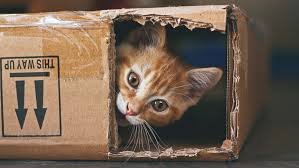
How to Keep Indoor Cats Mentally Stimulated requires understanding behavior, consistency, and environment. Many pet owners make mistakes by reacting instead of observing. Animals communicate through patterns, not words, and recognizing those patterns is essential. Each pet responds differently, so adapting your approach is key. A calm environment, gradual changes, and positive reinforcement make the biggest difference. Avoid forcing behaviors and instead guide your pet naturally. Over time, repetition builds habits, and habits shape behavior. Challenges are normal, especially in the beginning. Some animals take longer to adapt due to personality or past experiences. Patience is always more effective than force. When done correctly, this process improves not only behavior but also trust between you and your pet. How to Keep Indoor Cats Mentally Stimulated requires understanding behavior, consistency, and environment. Many pet owners make mistakes by reacting instead of observing. Animals communicate through patterns, not words, and recognizing those patterns is essential. Each pet responds differently, so adapting your approach is key. A calm environment, gradual changes, and positive reinforcement make the biggest difference. Avoid forcing behaviors and instead guide your pet naturally. Over time, repetition builds habits, and habits shape behavior. Challenges are normal, especially in the beginning. Some animals take longer to adapt due to personality or past experiences. Patience is always more effective than force. When done correctly, this process improves not only behavior but also trust between you and your pet. How to Keep Indoor Cats Mentally Stimulated requires understanding behavior, consistency, and environment. Many pet owners make mistakes by reacting instead of observing. Animals communicate through patterns, not words, and recognizing those patterns is essential. Each pet responds differently, so adapting your approach is key. A calm environment, gradual changes, and positive reinforcement make the biggest difference. Avoid forcing behaviors and instead guide your pet naturally. Over time, repetition builds habits, and habits shape behavior. Challenges are normal, especially in the beginning. Some animals take longer to adapt due to personality or past experiences. Patience is always more effective than force. When done correctly, this process improves not only behavior but also trust between you and your pet. How to Keep Indoor Cats Mentally Stimulated requires understanding behavior, consistency, and environment. Many pet owners make mistakes by reacting instead of observing. Animals communicate through patterns, not words, and recognizing those patterns is essential. Each pet responds differently, so adapting your approach is key. A calm environment, gradual changes, and positive reinforcement make the biggest difference. Avoid forcing behaviors and instead guide your pet naturally. Over time, repetition builds habits, and habits shape behavior. Challenges are normal, especially in the beginning. Some animals take longer to adapt due to personality or past experiences. Patience is always more effective than force. When done correctly, this process improves not only behavior but also trust between you and your pet. How to Keep Indoor Cats Mentally Stimulated requires understanding behavior, consistency, and environment. Many pet owners make mistakes by reacting instead of observing. Animals communicate through patterns, not words, and recognizing those patterns is essential. Each pet responds differently, so adapting your approach is key. A calm environment, gradual changes, and positive reinforcement make the biggest difference. Avoid forcing behaviors and instead guide your pet naturally. Over time, repetition builds habits, and habits shape behavior. Challenges are normal, especially in the beginning. Some animals take longer to adapt due to personality or past experiences. Patience is always more effective than force. When done correctly, this process improves not only behavior but also trust between you and your pet. How to Keep Indoor Cats Mentally Stimulated requires understanding behavior, consistency, and environment. Many pet owners make mistakes by reacting instead of observing. Animals communicate through patterns, not words, and recognizing those patterns is essential. Each pet responds differently, so adapting your approach is key. A calm environment, gradual changes, and positive reinforcement make the biggest difference. Avoid forcing behaviors and instead guide your pet naturally. Over time, repetition builds habits, and habits shape behavior. Challenges are normal, especially in the beginning. Some animals take longer to adapt due to personality or past experiences. Patience is always more effective than force. When done correctly, this process improves not only behavior but also trust between you and your pet. How to Keep Indoor Cats Mentally Stimulated requires understanding behavior, consistency, and environment. Many pet owners make mistakes by reacting instead of observing. Animals communicate through patterns, not words, and recognizing those patterns is essential. Each pet responds differently, so adapting your approach is key. A calm environment, gradual changes, and positive reinforcement make the biggest difference. Avoid forcing behaviors and instead guide your pet naturally. Over time, repetition builds habits, and habits shape behavior. Challenges are normal, especially in the beginning. Some animals take longer to adapt due to personality or past experiences. Patience is always more effective than force. When done correctly, this process improves not only behavior but also trust between you and your pet. How to Keep Indoor Cats Mentally Stimulated requires understanding behavior, consistency, and environment. Many pet owners make mistakes by reacting instead of observing. Animals communicate through patterns, not words, and recognizing those patterns is essential. Each pet responds differently, so adapting your approach is key. A calm environment, gradual changes, and positive reinforcement make the biggest difference. Avoid forcing behaviors and instead guide your pet naturally. Over time, repetition builds habits, and habits shape behavior. Challenges are normal, especially in the beginning. Some animals take longer to adapt due to personality or past experiences. Patience is always more effective than force. When done correctly, this process improves not only behavior but also trust between you and your pet. How to Keep Indoor Cats Mentally Stimulated requires understanding behavior, consistency, and environment. Many pet owners make mistakes by reacting instead of observing. Animals communicate through patterns, not words, and recognizing those patterns is essential. Each pet responds differently, so adapting your approach is key. A calm environment, gradual changes, and positive reinforcement make the
How to Understand Your Dog’s Body Language
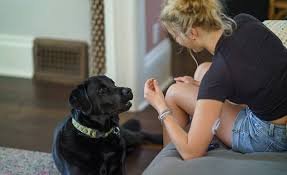
How to Understand Your Dog’s Body Language requires understanding behavior, consistency, and environment. Many pet owners make mistakes by reacting instead of observing. Animals communicate through patterns, not words, and recognizing those patterns is essential. Each pet responds differently, so adapting your approach is key. A calm environment, gradual changes, and positive reinforcement make the biggest difference. Avoid forcing behaviors and instead guide your pet naturally. Over time, repetition builds habits, and habits shape behavior. Challenges are normal, especially in the beginning. Some animals take longer to adapt due to personality or past experiences. Patience is always more effective than force. When done correctly, this process improves not only behavior but also trust between you and your pet. How to Understand Your Dog’s Body Language requires understanding behavior, consistency, and environment. Many pet owners make mistakes by reacting instead of observing. Animals communicate through patterns, not words, and recognizing those patterns is essential. Each pet responds differently, so adapting your approach is key. A calm environment, gradual changes, and positive reinforcement make the biggest difference. Avoid forcing behaviors and instead guide your pet naturally. Over time, repetition builds habits, and habits shape behavior. Challenges are normal, especially in the beginning. Some animals take longer to adapt due to personality or past experiences. Patience is always more effective than force. When done correctly, this process improves not only behavior but also trust between you and your pet. How to Understand Your Dog’s Body Language requires understanding behavior, consistency, and environment. Many pet owners make mistakes by reacting instead of observing. Animals communicate through patterns, not words, and recognizing those patterns is essential. Each pet responds differently, so adapting your approach is key. A calm environment, gradual changes, and positive reinforcement make the biggest difference. Avoid forcing behaviors and instead guide your pet naturally. Over time, repetition builds habits, and habits shape behavior. Challenges are normal, especially in the beginning. Some animals take longer to adapt due to personality or past experiences. Patience is always more effective than force. When done correctly, this process improves not only behavior but also trust between you and your pet. How to Understand Your Dog’s Body Language requires understanding behavior, consistency, and environment. Many pet owners make mistakes by reacting instead of observing. Animals communicate through patterns, not words, and recognizing those patterns is essential. Each pet responds differently, so adapting your approach is key. A calm environment, gradual changes, and positive reinforcement make the biggest difference. Avoid forcing behaviors and instead guide your pet naturally. Over time, repetition builds habits, and habits shape behavior. Challenges are normal, especially in the beginning. Some animals take longer to adapt due to personality or past experiences. Patience is always more effective than force. When done correctly, this process improves not only behavior but also trust between you and your pet. How to Understand Your Dog’s Body Language requires understanding behavior, consistency, and environment. Many pet owners make mistakes by reacting instead of observing. Animals communicate through patterns, not words, and recognizing those patterns is essential. Each pet responds differently, so adapting your approach is key. A calm environment, gradual changes, and positive reinforcement make the biggest difference. Avoid forcing behaviors and instead guide your pet naturally. Over time, repetition builds habits, and habits shape behavior. Challenges are normal, especially in the beginning. Some animals take longer to adapt due to personality or past experiences. Patience is always more effective than force. When done correctly, this process improves not only behavior but also trust between you and your pet. How to Understand Your Dog’s Body Language requires understanding behavior, consistency, and environment. Many pet owners make mistakes by reacting instead of observing. Animals communicate through patterns, not words, and recognizing those patterns is essential. Each pet responds differently, so adapting your approach is key. A calm environment, gradual changes, and positive reinforcement make the biggest difference. Avoid forcing behaviors and instead guide your pet naturally. Over time, repetition builds habits, and habits shape behavior. Challenges are normal, especially in the beginning. Some animals take longer to adapt due to personality or past experiences. Patience is always more effective than force. When done correctly, this process improves not only behavior but also trust between you and your pet. How to Understand Your Dog’s Body Language requires understanding behavior, consistency, and environment. Many pet owners make mistakes by reacting instead of observing. Animals communicate through patterns, not words, and recognizing those patterns is essential. Each pet responds differently, so adapting your approach is key. A calm environment, gradual changes, and positive reinforcement make the biggest difference. Avoid forcing behaviors and instead guide your pet naturally. Over time, repetition builds habits, and habits shape behavior. Challenges are normal, especially in the beginning. Some animals take longer to adapt due to personality or past experiences. Patience is always more effective than force. When done correctly, this process improves not only behavior but also trust between you and your pet. How to Understand Your Dog’s Body Language requires understanding behavior, consistency, and environment. Many pet owners make mistakes by reacting instead of observing. Animals communicate through patterns, not words, and recognizing those patterns is essential. Each pet responds differently, so adapting your approach is key. A calm environment, gradual changes, and positive reinforcement make the biggest difference. Avoid forcing behaviors and instead guide your pet naturally. Over time, repetition builds habits, and habits shape behavior. Challenges are normal, especially in the beginning. Some animals take longer to adapt due to personality or past experiences. Patience is always more effective than force. When done correctly, this process improves not only behavior but also trust between you and your pet. How to Understand Your Dog’s Body Language requires understanding behavior, consistency, and environment. Many pet owners make mistakes by reacting instead of observing. Animals communicate through patterns, not words, and recognizing those patterns is essential. Each pet responds differently, so adapting your approach is key. A calm environment, gradual changes, and positive reinforcement make the
How to Create a Safe Environment for Exotic Pets
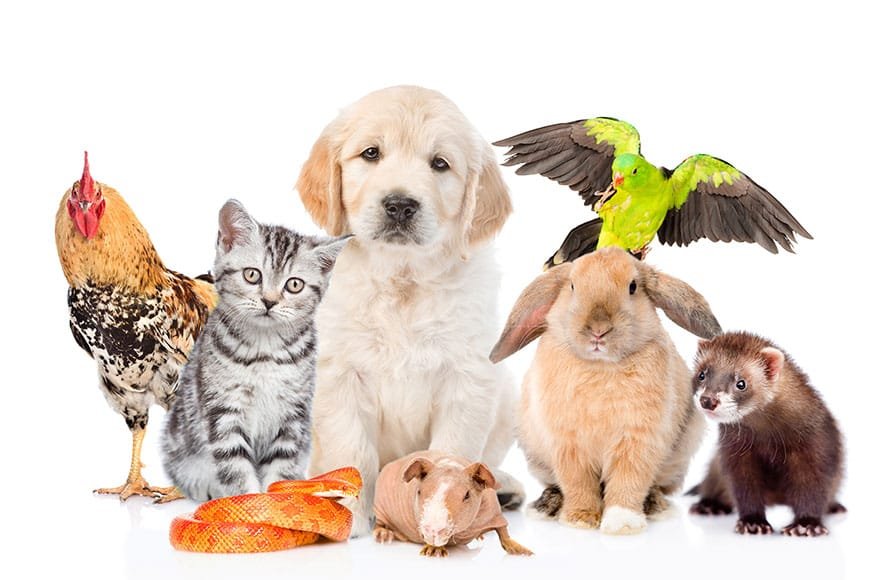
How to Create a Safe Environment for Exotic Pets requires understanding behavior, consistency, and environment. Many pet owners make mistakes by reacting instead of observing. Animals communicate through patterns, not words, and recognizing those patterns is essential. Each pet responds differently, so adapting your approach is key. A calm environment, gradual changes, and positive reinforcement make the biggest difference. Avoid forcing behaviors and instead guide your pet naturally. Over time, repetition builds habits, and habits shape behavior. Challenges are normal, especially in the beginning. Some animals take longer to adapt due to personality or past experiences. Patience is always more effective than force. When done correctly, this process improves not only behavior but also trust between you and your pet. How to Create a Safe Environment for Exotic Pets requires understanding behavior, consistency, and environment. Many pet owners make mistakes by reacting instead of observing. Animals communicate through patterns, not words, and recognizing those patterns is essential. Each pet responds differently, so adapting your approach is key. A calm environment, gradual changes, and positive reinforcement make the biggest difference. Avoid forcing behaviors and instead guide your pet naturally. Over time, repetition builds habits, and habits shape behavior. Challenges are normal, especially in the beginning. Some animals take longer to adapt due to personality or past experiences. Patience is always more effective than force. When done correctly, this process improves not only behavior but also trust between you and your pet. How to Create a Safe Environment for Exotic Pets requires understanding behavior, consistency, and environment. Many pet owners make mistakes by reacting instead of observing. Animals communicate through patterns, not words, and recognizing those patterns is essential. Each pet responds differently, so adapting your approach is key. A calm environment, gradual changes, and positive reinforcement make the biggest difference. Avoid forcing behaviors and instead guide your pet naturally. Over time, repetition builds habits, and habits shape behavior. Challenges are normal, especially in the beginning. Some animals take longer to adapt due to personality or past experiences. Patience is always more effective than force. When done correctly, this process improves not only behavior but also trust between you and your pet. How to Create a Safe Environment for Exotic Pets requires understanding behavior, consistency, and environment. Many pet owners make mistakes by reacting instead of observing. Animals communicate through patterns, not words, and recognizing those patterns is essential. Each pet responds differently, so adapting your approach is key. A calm environment, gradual changes, and positive reinforcement make the biggest difference. Avoid forcing behaviors and instead guide your pet naturally. Over time, repetition builds habits, and habits shape behavior. Challenges are normal, especially in the beginning. Some animals take longer to adapt due to personality or past experiences. Patience is always more effective than force. When done correctly, this process improves not only behavior but also trust between you and your pet. How to Create a Safe Environment for Exotic Pets requires understanding behavior, consistency, and environment. Many pet owners make mistakes by reacting instead of observing. Animals communicate through patterns, not words, and recognizing those patterns is essential. Each pet responds differently, so adapting your approach is key. A calm environment, gradual changes, and positive reinforcement make the biggest difference. Avoid forcing behaviors and instead guide your pet naturally. Over time, repetition builds habits, and habits shape behavior. Challenges are normal, especially in the beginning. Some animals take longer to adapt due to personality or past experiences. Patience is always more effective than force. When done correctly, this process improves not only behavior but also trust between you and your pet. How to Create a Safe Environment for Exotic Pets requires understanding behavior, consistency, and environment. Many pet owners make mistakes by reacting instead of observing. Animals communicate through patterns, not words, and recognizing those patterns is essential. Each pet responds differently, so adapting your approach is key. A calm environment, gradual changes, and positive reinforcement make the biggest difference. Avoid forcing behaviors and instead guide your pet naturally. Over time, repetition builds habits, and habits shape behavior. Challenges are normal, especially in the beginning. Some animals take longer to adapt due to personality or past experiences. Patience is always more effective than force. When done correctly, this process improves not only behavior but also trust between you and your pet. How to Create a Safe Environment for Exotic Pets requires understanding behavior, consistency, and environment. Many pet owners make mistakes by reacting instead of observing. Animals communicate through patterns, not words, and recognizing those patterns is essential. Each pet responds differently, so adapting your approach is key. A calm environment, gradual changes, and positive reinforcement make the biggest difference. Avoid forcing behaviors and instead guide your pet naturally. Over time, repetition builds habits, and habits shape behavior. Challenges are normal, especially in the beginning. Some animals take longer to adapt due to personality or past experiences. Patience is always more effective than force. When done correctly, this process improves not only behavior but also trust between you and your pet. How to Create a Safe Environment for Exotic Pets requires understanding behavior, consistency, and environment. Many pet owners make mistakes by reacting instead of observing. Animals communicate through patterns, not words, and recognizing those patterns is essential. Each pet responds differently, so adapting your approach is key. A calm environment, gradual changes, and positive reinforcement make the biggest difference. Avoid forcing behaviors and instead guide your pet naturally. Over time, repetition builds habits, and habits shape behavior. Challenges are normal, especially in the beginning. Some animals take longer to adapt due to personality or past experiences. Patience is always more effective than force. When done correctly, this process improves not only behavior but also trust between you and your pet. How to Create a Safe Environment for Exotic Pets requires understanding behavior, consistency, and environment. Many pet owners make mistakes by reacting instead of observing. Animals communicate through patterns, not words, and recognizing those patterns is essential. Each pet
How to Groom Your Cat Without Stress
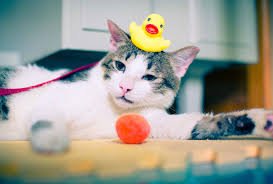
How to Groom Your Cat Without Stress requires understanding behavior, consistency, and environment. Many pet owners make mistakes by reacting instead of observing. Animals communicate through patterns, not words, and recognizing those patterns is essential. Each pet responds differently, so adapting your approach is key. A calm environment, gradual changes, and positive reinforcement make the biggest difference. Avoid forcing behaviors and instead guide your pet naturally. Over time, repetition builds habits, and habits shape behavior. Challenges are normal, especially in the beginning. Some animals take longer to adapt due to personality or past experiences. Patience is always more effective than force. When done correctly, this process improves not only behavior but also trust between you and your pet. How to Groom Your Cat Without Stress requires understanding behavior, consistency, and environment. Many pet owners make mistakes by reacting instead of observing. Animals communicate through patterns, not words, and recognizing those patterns is essential. Each pet responds differently, so adapting your approach is key. A calm environment, gradual changes, and positive reinforcement make the biggest difference. Avoid forcing behaviors and instead guide your pet naturally. Over time, repetition builds habits, and habits shape behavior. Challenges are normal, especially in the beginning. Some animals take longer to adapt due to personality or past experiences. Patience is always more effective than force. When done correctly, this process improves not only behavior but also trust between you and your pet. How to Groom Your Cat Without Stress requires understanding behavior, consistency, and environment. Many pet owners make mistakes by reacting instead of observing. Animals communicate through patterns, not words, and recognizing those patterns is essential. Each pet responds differently, so adapting your approach is key. A calm environment, gradual changes, and positive reinforcement make the biggest difference. Avoid forcing behaviors and instead guide your pet naturally. Over time, repetition builds habits, and habits shape behavior. Challenges are normal, especially in the beginning. Some animals take longer to adapt due to personality or past experiences. Patience is always more effective than force. When done correctly, this process improves not only behavior but also trust between you and your pet. How to Groom Your Cat Without Stress requires understanding behavior, consistency, and environment. Many pet owners make mistakes by reacting instead of observing. Animals communicate through patterns, not words, and recognizing those patterns is essential. Each pet responds differently, so adapting your approach is key. A calm environment, gradual changes, and positive reinforcement make the biggest difference. Avoid forcing behaviors and instead guide your pet naturally. Over time, repetition builds habits, and habits shape behavior. Challenges are normal, especially in the beginning. Some animals take longer to adapt due to personality or past experiences. Patience is always more effective than force. When done correctly, this process improves not only behavior but also trust between you and your pet. How to Groom Your Cat Without Stress requires understanding behavior, consistency, and environment. Many pet owners make mistakes by reacting instead of observing. Animals communicate through patterns, not words, and recognizing those patterns is essential. Each pet responds differently, so adapting your approach is key. A calm environment, gradual changes, and positive reinforcement make the biggest difference. Avoid forcing behaviors and instead guide your pet naturally. Over time, repetition builds habits, and habits shape behavior. Challenges are normal, especially in the beginning. Some animals take longer to adapt due to personality or past experiences. Patience is always more effective than force. When done correctly, this process improves not only behavior but also trust between you and your pet. How to Groom Your Cat Without Stress requires understanding behavior, consistency, and environment. Many pet owners make mistakes by reacting instead of observing. Animals communicate through patterns, not words, and recognizing those patterns is essential. Each pet responds differently, so adapting your approach is key. A calm environment, gradual changes, and positive reinforcement make the biggest difference. Avoid forcing behaviors and instead guide your pet naturally. Over time, repetition builds habits, and habits shape behavior. Challenges are normal, especially in the beginning. Some animals take longer to adapt due to personality or past experiences. Patience is always more effective than force. When done correctly, this process improves not only behavior but also trust between you and your pet. How to Groom Your Cat Without Stress requires understanding behavior, consistency, and environment. Many pet owners make mistakes by reacting instead of observing. Animals communicate through patterns, not words, and recognizing those patterns is essential. Each pet responds differently, so adapting your approach is key. A calm environment, gradual changes, and positive reinforcement make the biggest difference. Avoid forcing behaviors and instead guide your pet naturally. Over time, repetition builds habits, and habits shape behavior. Challenges are normal, especially in the beginning. Some animals take longer to adapt due to personality or past experiences. Patience is always more effective than force. When done correctly, this process improves not only behavior but also trust between you and your pet. How to Groom Your Cat Without Stress requires understanding behavior, consistency, and environment. Many pet owners make mistakes by reacting instead of observing. Animals communicate through patterns, not words, and recognizing those patterns is essential. Each pet responds differently, so adapting your approach is key. A calm environment, gradual changes, and positive reinforcement make the biggest difference. Avoid forcing behaviors and instead guide your pet naturally. Over time, repetition builds habits, and habits shape behavior. Challenges are normal, especially in the beginning. Some animals take longer to adapt due to personality or past experiences. Patience is always more effective than force. When done correctly, this process improves not only behavior but also trust between you and your pet. How to Groom Your Cat Without Stress requires understanding behavior, consistency, and environment. Many pet owners make mistakes by reacting instead of observing. Animals communicate through patterns, not words, and recognizing those patterns is essential. Each pet responds differently, so adapting your approach is key. A calm environment, gradual changes, and positive reinforcement make the
Why Your Pet Is Not Eating and What It Means

Why Your Pet Is Not Eating and What It Means requires understanding behavior, consistency, and environment. Many pet owners make mistakes by reacting instead of observing. Animals communicate through patterns, not words, and recognizing those patterns is essential. Each pet responds differently, so adapting your approach is key. A calm environment, gradual changes, and positive reinforcement make the biggest difference. Avoid forcing behaviors and instead guide your pet naturally. Over time, repetition builds habits, and habits shape behavior. Challenges are normal, especially in the beginning. Some animals take longer to adapt due to personality or past experiences. Patience is always more effective than force. When done correctly, this process improves not only behavior but also trust between you and your pet. Why Your Pet Is Not Eating and What It Means requires understanding behavior, consistency, and environment. Many pet owners make mistakes by reacting instead of observing. Animals communicate through patterns, not words, and recognizing those patterns is essential. Each pet responds differently, so adapting your approach is key. A calm environment, gradual changes, and positive reinforcement make the biggest difference. Avoid forcing behaviors and instead guide your pet naturally. Over time, repetition builds habits, and habits shape behavior. Challenges are normal, especially in the beginning. Some animals take longer to adapt due to personality or past experiences. Patience is always more effective than force. When done correctly, this process improves not only behavior but also trust between you and your pet. Why Your Pet Is Not Eating and What It Means requires understanding behavior, consistency, and environment. Many pet owners make mistakes by reacting instead of observing. Animals communicate through patterns, not words, and recognizing those patterns is essential. Each pet responds differently, so adapting your approach is key. A calm environment, gradual changes, and positive reinforcement make the biggest difference. Avoid forcing behaviors and instead guide your pet naturally. Over time, repetition builds habits, and habits shape behavior. Challenges are normal, especially in the beginning. Some animals take longer to adapt due to personality or past experiences. Patience is always more effective than force. When done correctly, this process improves not only behavior but also trust between you and your pet. Why Your Pet Is Not Eating and What It Means requires understanding behavior, consistency, and environment. Many pet owners make mistakes by reacting instead of observing. Animals communicate through patterns, not words, and recognizing those patterns is essential. Each pet responds differently, so adapting your approach is key. A calm environment, gradual changes, and positive reinforcement make the biggest difference. Avoid forcing behaviors and instead guide your pet naturally. Over time, repetition builds habits, and habits shape behavior. Challenges are normal, especially in the beginning. Some animals take longer to adapt due to personality or past experiences. Patience is always more effective than force. When done correctly, this process improves not only behavior but also trust between you and your pet. Why Your Pet Is Not Eating and What It Means requires understanding behavior, consistency, and environment. Many pet owners make mistakes by reacting instead of observing. Animals communicate through patterns, not words, and recognizing those patterns is essential. Each pet responds differently, so adapting your approach is key. A calm environment, gradual changes, and positive reinforcement make the biggest difference. Avoid forcing behaviors and instead guide your pet naturally. Over time, repetition builds habits, and habits shape behavior. Challenges are normal, especially in the beginning. Some animals take longer to adapt due to personality or past experiences. Patience is always more effective than force. When done correctly, this process improves not only behavior but also trust between you and your pet. Why Your Pet Is Not Eating and What It Means requires understanding behavior, consistency, and environment. Many pet owners make mistakes by reacting instead of observing. Animals communicate through patterns, not words, and recognizing those patterns is essential. Each pet responds differently, so adapting your approach is key. A calm environment, gradual changes, and positive reinforcement make the biggest difference. Avoid forcing behaviors and instead guide your pet naturally. Over time, repetition builds habits, and habits shape behavior. Challenges are normal, especially in the beginning. Some animals take longer to adapt due to personality or past experiences. Patience is always more effective than force. When done correctly, this process improves not only behavior but also trust between you and your pet. Why Your Pet Is Not Eating and What It Means requires understanding behavior, consistency, and environment. Many pet owners make mistakes by reacting instead of observing. Animals communicate through patterns, not words, and recognizing those patterns is essential. Each pet responds differently, so adapting your approach is key. A calm environment, gradual changes, and positive reinforcement make the biggest difference. Avoid forcing behaviors and instead guide your pet naturally. Over time, repetition builds habits, and habits shape behavior. Challenges are normal, especially in the beginning. Some animals take longer to adapt due to personality or past experiences. Patience is always more effective than force. When done correctly, this process improves not only behavior but also trust between you and your pet. Why Your Pet Is Not Eating and What It Means requires understanding behavior, consistency, and environment. Many pet owners make mistakes by reacting instead of observing. Animals communicate through patterns, not words, and recognizing those patterns is essential. Each pet responds differently, so adapting your approach is key. A calm environment, gradual changes, and positive reinforcement make the biggest difference. Avoid forcing behaviors and instead guide your pet naturally. Over time, repetition builds habits, and habits shape behavior. Challenges are normal, especially in the beginning. Some animals take longer to adapt due to personality or past experiences. Patience is always more effective than force. When done correctly, this process improves not only behavior but also trust between you and your pet. Why Your Pet Is Not Eating and What It Means requires understanding behavior, consistency, and environment. Many pet owners make mistakes by reacting instead of observing. Animals communicate through patterns, not
How to Stop Your Dog From Pulling on the Leash
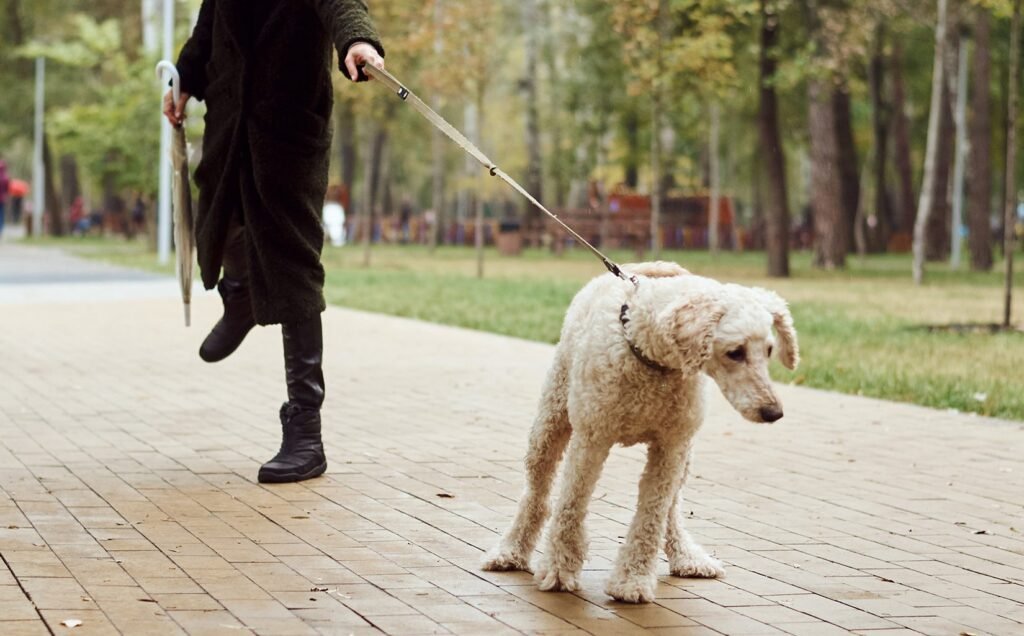
How to Stop Your Dog From Pulling on the Leash requires understanding behavior, consistency, and environment. Many pet owners make mistakes by reacting instead of observing. Animals communicate through patterns, not words, and recognizing those patterns is essential. Each pet responds differently, so adapting your approach is key. A calm environment, gradual changes, and positive reinforcement make the biggest difference. Avoid forcing behaviors and instead guide your pet naturally. Over time, repetition builds habits, and habits shape behavior. Challenges are normal, especially in the beginning. Some animals take longer to adapt due to personality or past experiences. Patience is always more effective than force. When done correctly, this process improves not only behavior but also trust between you and your pet. How to Stop Your Dog From Pulling on the Leash requires understanding behavior, consistency, and environment. Many pet owners make mistakes by reacting instead of observing. Animals communicate through patterns, not words, and recognizing those patterns is essential. Each pet responds differently, so adapting your approach is key. A calm environment, gradual changes, and positive reinforcement make the biggest difference. Avoid forcing behaviors and instead guide your pet naturally. Over time, repetition builds habits, and habits shape behavior. Challenges are normal, especially in the beginning. Some animals take longer to adapt due to personality or past experiences. Patience is always more effective than force. When done correctly, this process improves not only behavior but also trust between you and your pet. How to Stop Your Dog From Pulling on the Leash requires understanding behavior, consistency, and environment. Many pet owners make mistakes by reacting instead of observing. Animals communicate through patterns, not words, and recognizing those patterns is essential. Each pet responds differently, so adapting your approach is key. A calm environment, gradual changes, and positive reinforcement make the biggest difference. Avoid forcing behaviors and instead guide your pet naturally. Over time, repetition builds habits, and habits shape behavior. Challenges are normal, especially in the beginning. Some animals take longer to adapt due to personality or past experiences. Patience is always more effective than force. When done correctly, this process improves not only behavior but also trust between you and your pet. How to Stop Your Dog From Pulling on the Leash requires understanding behavior, consistency, and environment. Many pet owners make mistakes by reacting instead of observing. Animals communicate through patterns, not words, and recognizing those patterns is essential. Each pet responds differently, so adapting your approach is key. A calm environment, gradual changes, and positive reinforcement make the biggest difference. Avoid forcing behaviors and instead guide your pet naturally. Over time, repetition builds habits, and habits shape behavior. Challenges are normal, especially in the beginning. Some animals take longer to adapt due to personality or past experiences. Patience is always more effective than force. When done correctly, this process improves not only behavior but also trust between you and your pet. How to Stop Your Dog From Pulling on the Leash requires understanding behavior, consistency, and environment. Many pet owners make mistakes by reacting instead of observing. Animals communicate through patterns, not words, and recognizing those patterns is essential. Each pet responds differently, so adapting your approach is key. A calm environment, gradual changes, and positive reinforcement make the biggest difference. Avoid forcing behaviors and instead guide your pet naturally. Over time, repetition builds habits, and habits shape behavior. Challenges are normal, especially in the beginning. Some animals take longer to adapt due to personality or past experiences. Patience is always more effective than force. When done correctly, this process improves not only behavior but also trust between you and your pet. How to Stop Your Dog From Pulling on the Leash requires understanding behavior, consistency, and environment. Many pet owners make mistakes by reacting instead of observing. Animals communicate through patterns, not words, and recognizing those patterns is essential. Each pet responds differently, so adapting your approach is key. A calm environment, gradual changes, and positive reinforcement make the biggest difference. Avoid forcing behaviors and instead guide your pet naturally. Over time, repetition builds habits, and habits shape behavior. Challenges are normal, especially in the beginning. Some animals take longer to adapt due to personality or past experiences. Patience is always more effective than force. When done correctly, this process improves not only behavior but also trust between you and your pet. How to Stop Your Dog From Pulling on the Leash requires understanding behavior, consistency, and environment. Many pet owners make mistakes by reacting instead of observing. Animals communicate through patterns, not words, and recognizing those patterns is essential. Each pet responds differently, so adapting your approach is key. A calm environment, gradual changes, and positive reinforcement make the biggest difference. Avoid forcing behaviors and instead guide your pet naturally. Over time, repetition builds habits, and habits shape behavior. Challenges are normal, especially in the beginning. Some animals take longer to adapt due to personality or past experiences. Patience is always more effective than force. When done correctly, this process improves not only behavior but also trust between you and your pet. How to Stop Your Dog From Pulling on the Leash requires understanding behavior, consistency, and environment. Many pet owners make mistakes by reacting instead of observing. Animals communicate through patterns, not words, and recognizing those patterns is essential. Each pet responds differently, so adapting your approach is key. A calm environment, gradual changes, and positive reinforcement make the biggest difference. Avoid forcing behaviors and instead guide your pet naturally. Over time, repetition builds habits, and habits shape behavior. Challenges are normal, especially in the beginning. Some animals take longer to adapt due to personality or past experiences. Patience is always more effective than force. When done correctly, this process improves not only behavior but also trust between you and your pet. How to Stop Your Dog From Pulling on the Leash requires understanding behavior, consistency, and environment. Many pet owners make mistakes by reacting instead of observing. Animals communicate through patterns, not
The Nighttime Cry Isn’t the Problem: What Your Sugar Glider Is Really Trying to Tell You
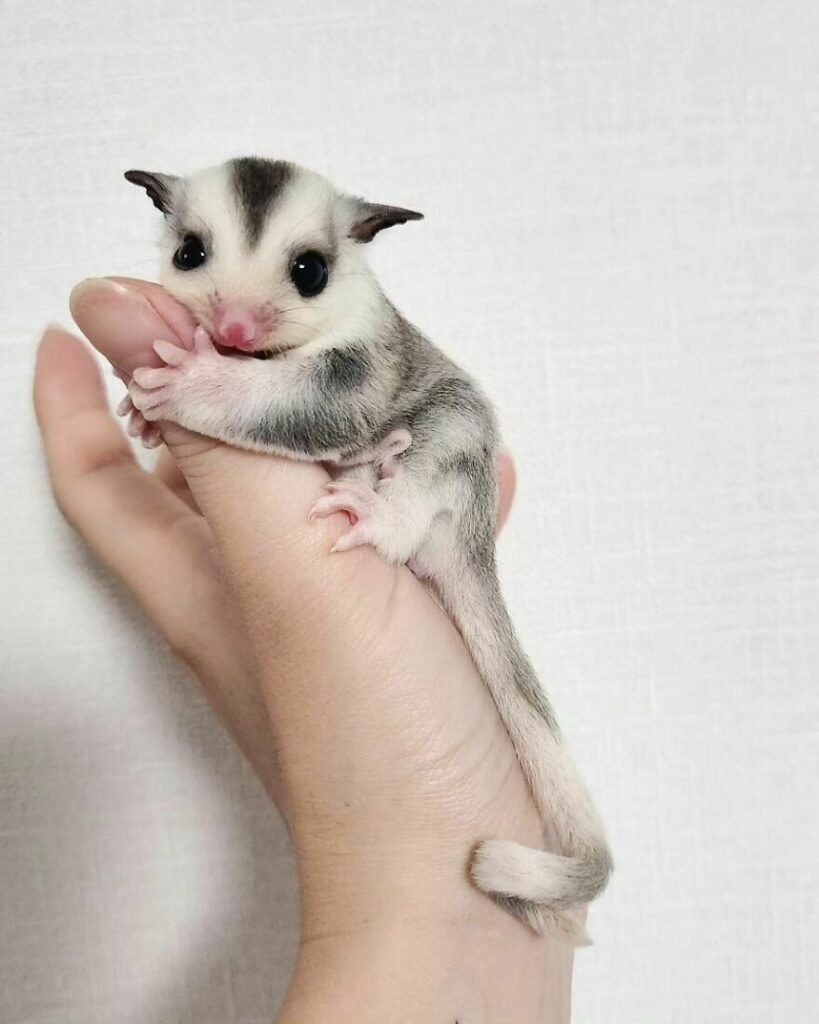
For many first-time sugar glider owners, one of the most confusing moments happens after the lights go out. The house becomes quiet, everything seems calm, and then the sounds begin. Soft cries, repeated vocal calls, barking noises, or sudden high-pitched sounds in the middle of the night can immediately make an owner worry that something is wrong. Because humans naturally associate crying with distress, pain, or loneliness, it becomes easy to assume the animal is unhappy and that the goal should be to make it completely silent. That assumption, however, is where many people misunderstand sugar glider behavior. Silence is not always the goal, and in many cases, expecting total quiet from a naturally nocturnal and highly social animal creates unrealistic expectations from the start. A sugar glider crying at night does not automatically mean something is wrong. In fact, nighttime vocalization is often part of completely normal communication. Sugar gliders are naturally active after dark. This is the period when their instincts, energy levels, and social behaviors become strongest. In the wild, nighttime is when they move, search, communicate, bond, and stay aware of their surroundings. Because of this, vocal sounds at night are often less about distress and more about expression. The sound may be a call for attention, a response to movement in the room, communication with another glider, or even an environmental reaction to something the human barely notices. This is why the first mindset shift is important. Noise does not automatically mean a problem. Sometimes it means the animal is simply being itself. Why Sugar Gliders Naturally Vocalize at Night One of the most overlooked facts about sugar gliders is that nighttime is their most active behavioral window. While owners are preparing to sleep, the glider is often just entering its most naturally alert and expressive state. This means sounds that seem unusual to a human sleeping schedule may be completely normal to the animal’s biological rhythm. Their calls serve multiple functions. Some sounds are social calls, especially in bonded pairs or groups. Others are location signals, ways of checking the environment, or responses to movement and sound within the room. In some cases, a sugar glider may vocalize simply because it hears activity elsewhere in the home and is responding to it instinctively. This is why silence should not be the standard. A silent sugar glider is not necessarily a happier one. In some situations, normal nighttime sound is actually a sign of healthy social and instinctive behavior. When the Cry Means More Than Communication That said, context still matters. Not every sound is identical in meaning. A sugar glider may vocalize more intensely if it feels isolated, under-stimulated, or if its environment has changed. Because these animals are highly social, loneliness can sometimes increase nighttime calling, especially if the glider is housed alone or separated from a bonded companion. The enclosure environment also plays a role. A sudden change in room lighting, unusual sounds, temperature changes, or disruption of sleeping routine during the day can all increase nighttime vocal behavior. This does not automatically mean distress, but it can change how often the animal calls. The key is to look for patterns rather than assuming every sound equals a problem. Why Owners Often Chase the Wrong Goal One of the biggest mistakes owners make is trying to eliminate the sound completely. The moment the glider vocalizes, they begin searching for ways to “stop” the behavior instead of first understanding what it means. This often leads to the wrong focus. The goal should not be silence. The goal should be understanding. A naturally social nocturnal animal making sound at night is not necessarily doing anything wrong. Trying to suppress every vocalization can create frustration because the behavior itself may be biologically normal. Instead of asking, “How do I make it stop crying?” the better question is, “What is it communicating?” That question changes everything. Conclusion If your sugar glider cries at night, it does not automatically mean something is wrong. In many cases, nighttime vocalization is part of healthy instinctive communication linked to social behavior, environmental awareness, and natural nocturnal activity. Silence is not always the goal. Understanding is. Once you stop viewing every sound as distress and start recognizing the behavior as communication, the nighttime becomes much easier to interpret. Sometimes the sound is not a problem. Sometimes it is simply your pet speaking in the hours it naturally comes alive. David Bencivenga Writer, advertising copywriter and SEO analyst, I am originally from New York and have been passionate about reading and writing since I was little. Books have always been my companions and favorite pastime, which led me to my profession. I hope you enjoy each of my texts and that they can help you in some way. Happy reading!
Why Your Reptile Needs a Heat Spot (Not Just a Warm Tank)
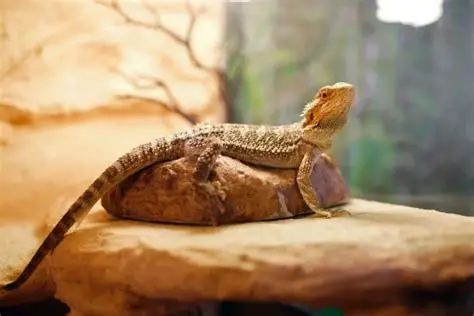
At first glance, many reptile owners assume that keeping the enclosure generally warm is enough. If the glass feels slightly warm when touched, the ambient temperature seems comfortable, and the reptile is not showing any obvious sign of distress, it becomes very easy to believe that the setup is correct. From a human point of view, this logic sounds completely reasonable. After all, if the entire tank feels warm, why would one specific hotter area make such a difference? The problem is that reptiles do not experience heat the way humans do. Unlike mammals, reptiles are ectothermic animals, which means they depend on external heat sources to regulate their internal body temperature. They do not naturally produce and maintain body heat in the same stable way that humans, dogs, or cats do. Because of this, the difference between a generally warm tank and a proper heat spot is far greater than most owners initially realize. A reptile does not simply need warmth. It needs control. This is the most important perspective shift in understanding reptile care. A generally warm enclosure may prevent the animal from becoming too cold, but that alone does not mean it can regulate its body properly. What truly matters is giving the reptile the ability to move between different temperatures based on what its body needs at a specific moment. This is why a heat spot is not just another optional feature in the setup. It is one of the most essential parts of the enclosure. In nature, reptiles do this constantly. They move into direct sunlight, rest on rocks that have absorbed heat, stay under branches that hold warmth, and then retreat into cooler shaded areas when needed. This constant movement between temperature zones is how they control everything from digestion to energy levels. When the entire tank is only mildly warm and uniform, that natural regulation process becomes limited. The reptile loses choice. And when it loses choice, it loses one of the most important tools for staying healthy. Why General Warmth Is Often Misleading One of the biggest mistakes owners make is focusing only on average tank temperature. Seeing a stable reading on a thermometer often creates a false sense of security. If the enclosure shows a temperature that seems acceptable overall, many assume that the thermal environment is complete. But average warmth and functional warmth are not the same thing. A reptile needs a thermal gradient. This means the enclosure should have a clearly defined warm side, a cooler side, and a heat spot that acts as the highest temperature zone. Without this variation, the animal may never be able to reach the body temperature required for proper biological function. This is especially important because reptiles do not use heat passively. They actively seek it. A basking reptile moving under a lamp or onto a heated surface is not simply resting. It is intentionally regulating its body. That behavior is part of how its body works. Without a proper heat spot, the reptile may spend the entire day in a tank that feels warm to you but still does not allow it to fully activate normal internal processes. This is where many long-term problems begin. Why Digestion Depends on a Proper Heat Spot One of the most critical reasons a heat spot matters is digestion. After eating, many reptiles instinctively move directly toward the warmest part of the enclosure. This is not random behavior. It is a biological necessity. Their digestive system functions far more efficiently when body temperature reaches a certain range. If the enclosure is only mildly warm without a dedicated basking zone, food may sit in the digestive tract longer than it should. This can lead to slower digestion, reduced appetite, discomfort, and in more serious cases, regurgitation or impaction depending on the species and setup. From the outside, an owner may notice that the reptile is eating less, moving less, or appearing lethargic. The immediate assumption may be illness. But in many cases, the hidden issue is thermal support. The animal simply cannot get warm enough to digest properly. This is why a heat spot is not just about comfort. It is directly tied to metabolic function. Without proper heat, even feeding routines can begin to fail. Why It Affects Energy, Movement, and Behavior Another major reason this matters is because temperature directly influences energy levels. A reptile that cannot reach its preferred body temperature often appears slower, less responsive, and less active. It may spend longer periods hiding, remain in one place for extended hours, or seem uninterested in exploring the enclosure. Many owners mistake this for personality. They assume the reptile is naturally calm, lazy, or simply low-energy. Sometimes that is true. But very often, low activity is actually the result of insufficient heat access. The body is conserving energy because it does not have the temperature support needed for normal movement. This affects everything. Appetite. Exploration. Basking behavior. Reaction speed. Even immune system function. The difference between a reptile with a proper heat spot and one in a uniformly warm tank can be dramatic. Why Human Perception Creates Confusion One of the most common reasons owners miss this issue is because human temperature perception is completely different. What feels warm to your hand may still be far too cool for a reptile’s biological needs. This is one of the most dangerous assumptions in reptile care. Humans often judge enclosure heat emotionally. “If it feels warm, it must be enough.” But reptiles need temperature precision, not emotional comfort. A tank that feels comfortable to you may still lack the intensity needed for basking. This is why relying on touch instead of actual temperature readings often leads to poor setups. The reptile experiences the environment through biological requirement, not human comfort. The Bigger Perspective Shift The biggest mindset shift is understanding that reptiles do not just need a warm enclosure. They need temperature choice. The heat spot exists so the animal can intentionally move toward higher
Why Your Pet Is Not “Slow to Learn” — You’re Just Expecting Results in the Wrong Timeframe
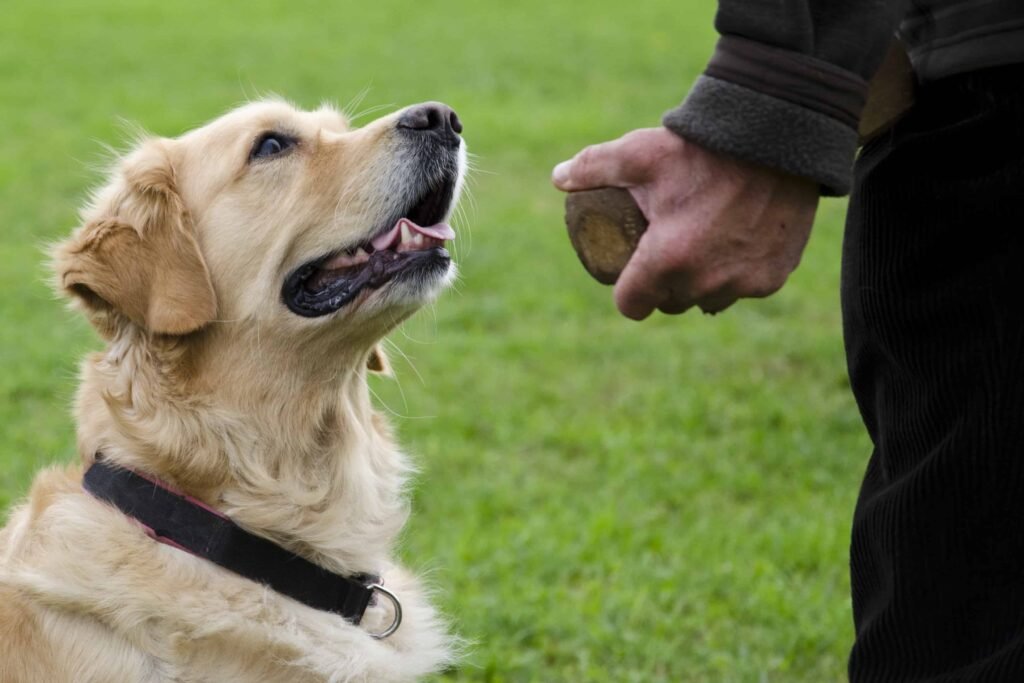
One of the most common frustrations pet owners experience happens when training does not move as quickly as they expected. After repeating the same command, routine, or behavioral correction for several days, many people start to assume that their pet is simply not learning fast enough. They begin to compare their animal to videos online, stories from other owners, or idealized expectations built around instant progress. This is usually the moment a label appears. Slow. Stubborn. Hard to train. Not understanding. But in many cases, the real problem is not the pet’s ability to learn. The real problem is the timeframe the owner is using to judge progress. What many people call slow learning is often completely normal learning happening on a biological timeline rather than a human emotional one. Animals do not learn according to the pace of our expectations. They learn according to repetition, consistency, environment, emotional state, reinforcement history, species instincts, and trust. This is one of the biggest mindset shifts in training. Your pet is usually not slow. You may simply be measuring progress too early. Humans tend to expect visible results quickly because we naturally focus on outcomes. We repeat a command for a few days and expect the behavior to become stable almost immediately. If it does not, frustration starts building. But learning is rarely linear, and this is especially true with animals. Many pets first go through a recognition phase before they ever show reliable execution. In other words, they may already be beginning to understand the cue long before the behavior looks consistent from the outside. Owners often mistake inconsistency for absence of learning, when in reality the animal is still in the stage of building association. For example, a dog learning recall may understand that its name and the command “come” are linked to returning, but distractions, energy level, environment, and reward value still influence whether the response appears immediately every time. The pet is not necessarily failing to learn. It may still be in the process of converting recognition into habit. This distinction matters more than most owners realize. Understanding is not the same as consistency. Consistency takes repetition. Repetition takes time. And time in animal learning is often much longer than people emotionally expect. Another major reason people misjudge learning speed is because they only count visible success moments. If a pet performs a behavior correctly three times out of ten, many owners focus on the seven failures and conclude that no progress is happening. But from a behavioral perspective, those three successful repetitions may already be significant evidence that learning is actively taking place. Progress often appears in fragments before it becomes stable. This is especially true in early training. A pet may first respond only in calm environments. Then only with treats visible. Then only with familiar tone. Then eventually in more distracting conditions. Each of these steps is learning. The mistake happens when owners expect step four performance while the pet is still naturally at step one or two. This is why timeframe matters so much. Another hidden factor is emotional expectation. Many owners unconsciously compare real-life progress to highly edited training videos online. What they see are the polished results, not the repetition behind them. They see the finished behavior, not the weeks of reinforcement, failed attempts, environmental adjustments, and routine shaping that happened before the final clip. This creates unrealistic mental timelines. Suddenly, a few days of training without perfect results feels like failure. In reality, it may be completely normal. Species and personality also matter. Different animals process training at different speeds, and even within the same species, individual temperament plays a huge role. A highly food-motivated dog may show visible learning faster than a more anxious one. A confident bird may engage with target training quickly, while a more cautious one needs much more trust-building before the same behavior becomes possible. This does not make one pet smarter than the other. It simply means their learning conditions are different. Trust is another factor many owners underestimate. Sometimes the issue is not cognitive learning at all. Sometimes the animal still does not fully feel safe enough to focus. A pet under mild stress, environmental uncertainty, overstimulation, or inconsistent routine may take longer to show stable results because its nervous system is prioritizing safety over performance. Again, this is not slow learning. It is contextual learning. The biggest perspective shift is understanding that learning should not be measured by how fast the final behavior appears. It should be measured by whether the animal is building clearer associations over time. Small improvements matter. Faster response time. Less hesitation. More eye contact. Partial success. Longer focus. These are all signs of learning. The final polished behavior is usually just the visible result of many smaller invisible steps. Conclusion Your pet is usually not slow to learn. More often, you are expecting finished results inside the wrong timeframe. Learning in animals happens through repetition, consistency, trust, and gradual association. What looks like slow progress is often normal progress unfolding on a biological timeline. The key is to stop measuring success by perfection and start noticing smaller signs of growth. Sometimes the behavior is already improving long before it looks perfect. And once you understand that, training becomes far less frustrating and far more realistic. David Bencivenga Writer, advertising copywriter and SEO analyst, I am originally from New York and have been passionate about reading and writing since I was little. Books have always been my companions and favorite pastime, which led me to my profession. I hope you enjoy each of my texts and that they can help you in some way. Happy reading!