Why Your Hamster Is Afraid of Your Hand (And What It Looks Like From Its Perspective)
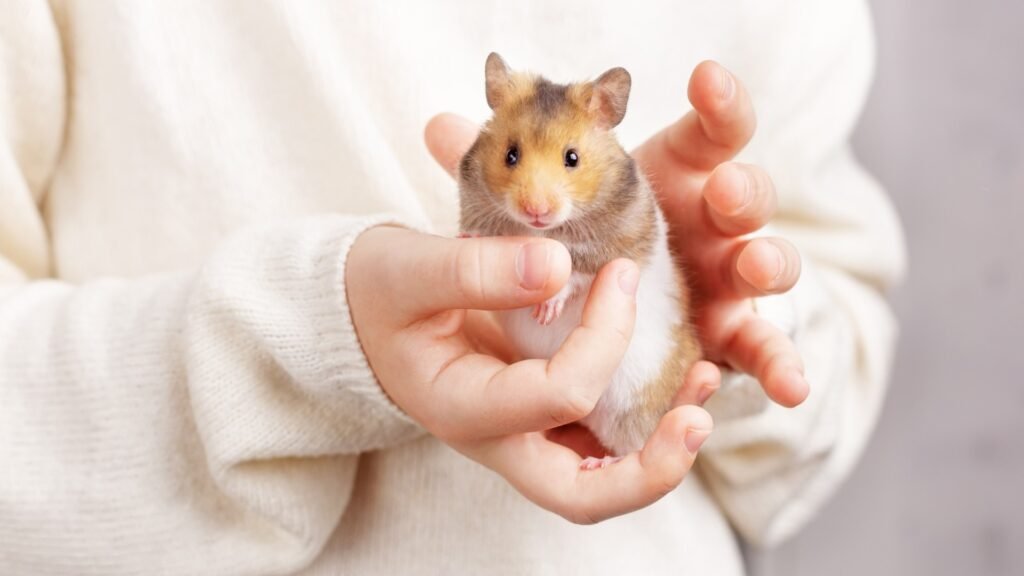
Many hamster owners feel confused and sometimes even a little hurt when their pet suddenly runs away the moment a hand enters the enclosure. One day they imagine gentle bonding, easy handling, and a small pet that calmly climbs into their palm, but the reality often looks very different. The hamster freezes, darts into a hideout, flattens its body, or avoids the hand completely. In some cases, it may even squeak, jump back, or attempt to nibble in self-defense. To the human perspective, this can feel personal. It is easy to assume the hamster dislikes you, does not trust you, or is simply “not friendly.” But in reality, this reaction is usually not about you in the emotional way people often imagine. The real issue is perspective. What feels like a harmless hand to you can feel like something completely different to your hamster. And once you start seeing the interaction from its point of view, the fear starts to make much more sense. A hamster is a prey animal by nature. This single fact changes the entire way it interprets movement, shadows, sounds, and physical approach. While humans often approach interaction with affection and curiosity, hamsters approach the world with instinctive caution. Their survival system is built around detecting danger quickly and reacting fast enough to avoid it. From your perspective, your hand is familiar, controlled, and safe. From the hamster’s perspective, it can feel like a large unknown object suddenly entering its territory from above. And in the natural world, movement from above often means danger. This is one of the most important things owners fail to consider. To a prey animal, a hand reaching downward can easily resemble the movement pattern of a predator. Even if the hamster has seen you many times, instinct often reacts before trust does. This is why the fear response can happen so quickly. It is not a judgment. It is survival. What It Looks Like From the Hamster’s Perspective This is where understanding perspective changes everything. Imagine living in a world where almost everything around you is dramatically larger than your own body. Sounds are louder, movements appear faster, shadows feel more threatening, and anything entering your space has the potential to be dangerous. Now imagine a giant shape moving from above, reaching directly toward you. From a hamster’s perspective, this does not automatically read as affection. It often reads as threat. The hand may block light. It may create a shadow. It may move unpredictably. It may carry unfamiliar scent from soap, lotion, food, or another animal. All of these details matter. Hamsters rely heavily on smell and environmental familiarity. A hand that smells different from the day before may not immediately feel safe. Even subtle changes in scent can affect trust. This is why some owners feel confused when the hamster seems comfortable one day and fearful the next. The hamster is often reacting to details the human barely notices. Why Fear Is Often Misread as Rejection One of the biggest mistakes owners make is interpreting fear as rejection. They may think: “My hamster doesn’t like me.” But fear and dislike are not the same thing. A hamster that avoids your hand is usually not rejecting you emotionally. It is responding to uncertainty. The enclosure is its territory. Its safe zone. Anything that enters that space gets evaluated first through instinct. The animal is not making a social judgment. It is asking one biological question: Is this safe? Until that answer consistently becomes yes, fear-based reactions are completely normal. This is especially true with newly adopted hamsters. Trust with small prey animals is rarely immediate. It is built through repetition, scent familiarity, calm movement, and predictable interaction. The Hidden Role of Timing and Sleep Another major factor many owners overlook is timing. Hamsters are naturally more active during the evening and nighttime. Attempting interaction while the hamster is sleepy, groggy, or suddenly awakened can dramatically increase fear responses. From the hamster’s perspective, being disturbed during rest can make the hand feel even more intrusive. This is one of the most common reasons a normally calm hamster may suddenly seem afraid. The issue is not necessarily the hand itself. The issue is when and how the interaction happens. A sleepy hamster is often a more defensive hamster. Why Fast Movement Makes It Worse Speed matters far more than most people realize. A fast-moving hand often triggers instinctive fear. Because hamsters are prey animals, sudden motion immediately activates caution. This is why slow, predictable movement is so important. The slower the approach, the easier it becomes for the hamster to process the interaction as non-threatening. Fast movement feels unpredictable. Unpredictability feels unsafe. Unsafe leads to fear. This chain reaction happens very quickly. The Bigger Perspective Shift The most important shift is understanding that your hamster is not afraid of you as a person. It is reacting to what the hand represents from its biological perspective. Large. Unknown. Overhead. Moving. Potentially threatening. Once you start viewing the situation through prey-animal instinct instead of human emotion, the behavior becomes much easier to understand. The fear is not personal. It is perspective-based. Conclusion If your hamster is afraid of your hand, it does not automatically mean it dislikes you. More often, it means the interaction currently feels unsafe from its point of view. As a prey animal, the hamster naturally interprets movement, shadows, scent, and timing through survival instincts. What feels harmless to you can feel overwhelming to it. Once you begin understanding what the hand looks like from the hamster’s perspective, the fear stops feeling confusing. Sometimes trust does not begin with touching. Sometimes it begins with learning how your pet sees the world. David Bencivenga Writer, advertising copywriter and SEO analyst, I am originally from New York and have been passionate about reading and writing since I was little. Books have always been my companions and favorite pastime, which led me to my profession. I hope you enjoy each of my
Why Your Reptile Needs a Heat Spot (Not Just a Warm Tank)
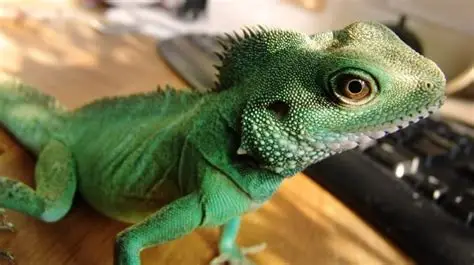
At first glance, many reptile owners assume that keeping the enclosure generally warm is enough. If the glass feels slightly warm when touched, the ambient temperature seems comfortable, and the reptile is not showing any obvious sign of distress, it becomes very easy to believe that the setup is correct. From a human point of view, this logic sounds completely reasonable. After all, if the entire tank feels warm, why would one specific hotter area make such a difference? The problem is that reptiles do not experience heat the way humans do. Unlike mammals, reptiles are ectothermic animals, which means they depend on external heat sources to regulate their internal body temperature. They do not naturally produce and maintain body heat in the same stable way that humans, dogs, or cats do. Because of this, the difference between a generally warm tank and a proper heat spot is far greater than most owners initially realize. A reptile does not simply need warmth. It needs control. This is the most important perspective shift in understanding reptile care. A generally warm enclosure may prevent the animal from becoming too cold, but that alone does not mean it can regulate its body properly. What truly matters is giving the reptile the ability to move between different temperatures based on what its body needs at a specific moment. This is why a heat spot is not just another optional feature in the setup. It is one of the most essential parts of the enclosure. In nature, reptiles do this constantly. They move into direct sunlight, rest on rocks that have absorbed heat, stay under branches that hold warmth, and then retreat into cooler shaded areas when needed. This constant movement between temperature zones is how they control everything from digestion to energy levels. When the entire tank is only mildly warm and uniform, that natural regulation process becomes limited. The reptile loses choice. And when it loses choice, it loses one of the most important tools for staying healthy. Why General Warmth Is Often Misleading One of the biggest mistakes owners make is focusing only on average tank temperature. Seeing a stable reading on a thermometer often creates a false sense of security. If the enclosure shows a temperature that seems acceptable overall, many assume that the thermal environment is complete. But average warmth and functional warmth are not the same thing. A reptile needs a thermal gradient. This means the enclosure should have a clearly defined warm side, a cooler side, and a heat spot that acts as the highest temperature zone. Without this variation, the animal may never be able to reach the body temperature required for proper biological function. This is especially important because reptiles do not use heat passively. They actively seek it. A basking reptile moving under a lamp or onto a heated surface is not simply resting. It is intentionally regulating its body. That behavior is part of how its body works. Without a proper heat spot, the reptile may spend the entire day in a tank that feels warm to you but still does not allow it to fully activate normal internal processes. This is where many long-term problems begin. Why Digestion Depends on a Proper Heat Spot One of the most critical reasons a heat spot matters is digestion. After eating, many reptiles instinctively move directly toward the warmest part of the enclosure. This is not random behavior. It is a biological necessity. Their digestive system functions far more efficiently when body temperature reaches a certain range. If the enclosure is only mildly warm without a dedicated basking zone, food may sit in the digestive tract longer than it should. This can lead to slower digestion, reduced appetite, discomfort, and in more serious cases, regurgitation or impaction depending on the species and setup. From the outside, an owner may notice that the reptile is eating less, moving less, or appearing lethargic. The immediate assumption may be illness. But in many cases, the hidden issue is thermal support. The animal simply cannot get warm enough to digest properly. This is why a heat spot is not just about comfort. It is directly tied to metabolic function. Without proper heat, even feeding routines can begin to fail. Why It Affects Energy, Movement, and Behavior Another major reason this matters is because temperature directly influences energy levels. A reptile that cannot reach its preferred body temperature often appears slower, less responsive, and less active. It may spend longer periods hiding, remain in one place for extended hours, or seem uninterested in exploring the enclosure. Many owners mistake this for personality. They assume the reptile is naturally calm, lazy, or simply low-energy. Sometimes that is true. But very often, low activity is actually the result of insufficient heat access. The body is conserving energy because it does not have the temperature support needed for normal movement. This affects everything. Appetite. Exploration. Basking behavior. Reaction speed. Even immune system function. The difference between a reptile with a proper heat spot and one in a uniformly warm tank can be dramatic. Why Human Perception Creates Confusion One of the most common reasons owners miss this issue is because human temperature perception is completely different. What feels warm to your hand may still be far too cool for a reptile’s biological needs. This is one of the most dangerous assumptions in reptile care. Humans often judge enclosure heat emotionally. “If it feels warm, it must be enough.” But reptiles need temperature precision, not emotional comfort. A tank that feels comfortable to you may still lack the intensity needed for basking. This is why relying on touch instead of actual temperature readings often leads to poor setups. The reptile experiences the environment through biological requirement, not human comfort. The Bigger Perspective Shift The biggest mindset shift is understanding that reptiles do not just need a warm enclosure. They need temperature choice. The heat spot exists so the animal can intentionally move toward higher
Why Your Dog Follows You Around the House (And What It Really Means)
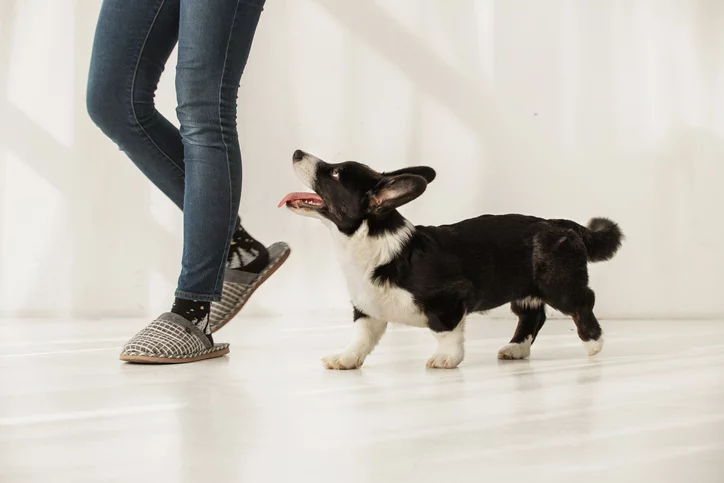
At first glance, many people find it incredibly cute when their dog starts following them around the house. You walk into the kitchen and it appears right behind you. You head to the bedroom and it follows. You get up to grab some water, pick something up in another room, or even go to the bathroom, and there it is again, right by your side. For many owners, this seems like nothing more than affection or attachment, but the truth is that this behavior can mean something much deeper than it first appears. In many cases, it is not just about love, but a combination of social bonding, routine reading, and the need for predictability. Dogs are naturally highly social animals. Unlike many other pets, they were biologically shaped to live in groups, observe movement around them, and stay close to the individuals they consider part of their social unit. Inside the home, you become the central figure in that system. This means that, very often, following you is not just a sign of affection, but also a way of monitoring safety, anticipating events, and staying close to the main source of stability in their environment. For your dog, your movement around the house carries information. The most important thing is to understand that this behavior can have different meanings depending on the context, how often it happens, and the way it presents itself. Emotional Bond and Social Instinct One of the most common explanations is the emotional bond. A dog quickly learns that you are the main source of food, protection, walks, playtime, and social interaction. This gives your presence a very high emotional value in its daily life. Staying close to you does not only represent comfort, but also predictability and a sense of security. From an instinctive point of view, dogs evolved to function in groups. In nature and throughout the domestication process, staying close to members of the group has always been a form of protection and adaptation. Inside the house, this instinct remains active. It does not see you only as an owner, but as the central reference point of the space where it lives. That is why, in many cases, following you is a completely healthy and expected behavior. It is a clear sign of bonding, trust, and social connection. It Is Learning Your Routine Another extremely important point is that dogs observe patterns all the time. They quickly learn that certain movements you make lead to specific events. If you go to the kitchen at certain times, that may mean food. If you grab your keys, shoes, or leash, that may mean a walk. If you head to the bedroom at night, that may signal bedtime. Over time, the dog starts following you not only out of attachment, but also to anticipate what is about to happen. It is constantly reading your routine and trying to understand what the next important event will be. In practice, it uses your movements as clues about the environment. This explains why many times it appears even before you call it. In Some Cases, It May Indicate Insecurity Even though this is often a normal behavior, context is still extremely important. In some cases, following the owner all the time may be related to insecurity or separation anxiety. This usually happens when the dog shows discomfort whenever it loses visual contact with you, becomes agitated when it notices you left the room, or shows clear signs of stress when left alone. In these cases, it is not following only out of curiosity or bonding. It is following because of emotional need. That is exactly why observing the full behavioral picture makes all the difference. If it follows you but can still relax alone at other times, it tends to be a healthy behavior. If it goes into alert mode every time you move away, there may be an anxiety component involved. Conclusion Your dog following you around the house does not always mean just affection. Very often, it is linked to social bonding, routine reading, and the search for predictability and safety. In some cases, it may even reflect a greater emotional need, depending on the way the behavior appears. Sometimes, it is not just walking behind you. It is trying to understand what comes next and stay close to the main reference point in its world. David Bencivenga Writer, advertising copywriter and SEO analyst, I am originally from New York and have been passionate about reading and writing since I was little. Books have always been my companions and favorite pastime, which led me to my profession. I hope you enjoy each of my texts and that they can help you in some way. Happy reading!
Why Your Cat Meows More at Night (And the Mistake That’s Quietly Making It Worse)
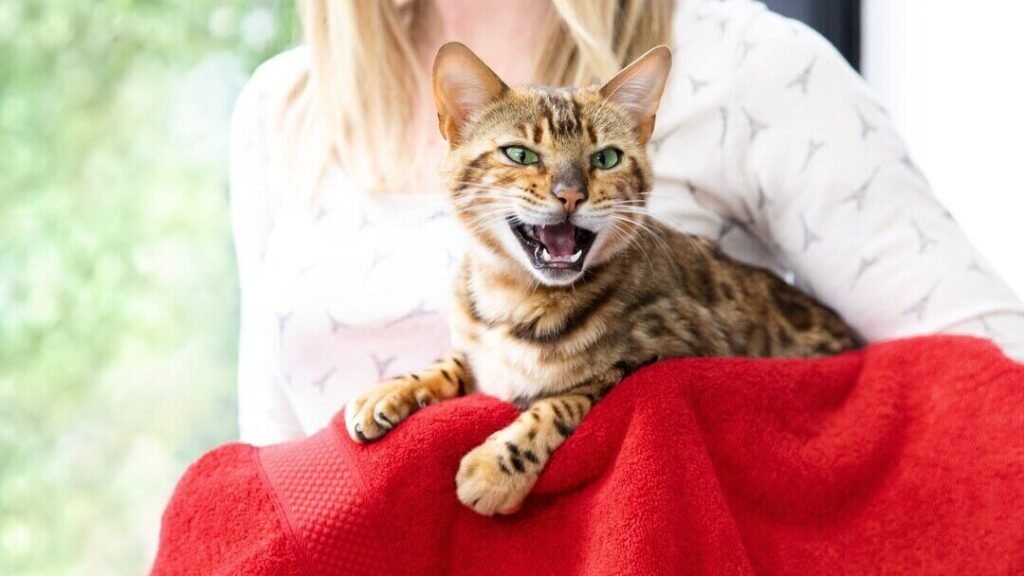
At first glance, one of the most common complaints among cat owners is exactly this: during the day the cat seems relatively calm, but once night arrives, the meowing becomes much more frequent. Sometimes it happens right after the lights go out, in other cases in the middle of the night, and very often always at the same time. For many people, this quickly becomes frustrating, especially when it interrupts sleep and seems to happen for no clear reason. The first reaction is usually to think that the cat simply wants attention, is being “needy,” or is doing it out of habit. The truth, however, is far more behavioral and much less random than it seems. Cats have a biological rhythm that is different from ours. While humans reduce activity during the night, many cats are actually entering one of their most alert and energetic periods. This means that the exact moment when you are getting ready to sleep may be the moment when its body is most active. That alone already explains part of the increase in meowing, but the most important point usually lies in what happens immediately after it starts meowing. In many homes, without realizing it, the owner ends up reinforcing this behavior. The mistake is usually not the meowing itself, but the human response that teaches the cat that meowing at night produces a result. Nighttime Is Naturally a More Active Period for Cats One of the most important things to understand is that many cats naturally tend to become more active during the night and early morning. This comes from the species’ biological rhythm and hunting instinct. In nature, these periods are usually associated with greater movement and a higher state of alertness. Inside the house, this instinct does not disappear. It simply adapts to the domestic environment. That is exactly why many cats start walking around the house more, climbing furniture, exploring rooms, and vocalizing more during the night. From the cat’s point of view, this may be a completely natural activity period. Your Reaction May Be Teaching This Behavior This is where one of the biggest mistakes happens without the owner realizing it. The cat starts meowing and, immediately, the person gets up, talks to it, gives it food, opens a door, pets it, or reacts in some way. From the cat’s point of view, the logic becomes very clear. I meow → something happens That “something” may be food, attention, movement, or access to another area. Over time, it learns that meowing at night works. This is exactly what strengthens the behavior. Very often, the problem is not that the cat meows. It is that it learns the meowing produces results. Built-Up Energy During the Day Also Plays a Role Another very important factor is the amount of energy built up throughout the day. A cat that spends many hours sleeping, without environmental stimulation, playtime, or hunting-style activities, tends to release that energy at night. Lack of play. Little environmental enrichment. No places to climb. Few mental stimuli. All of this can increase nighttime meowing. Sometimes the meowing is not only communication. It is stored energy looking for an outlet. Conclusion Your cat meowing more at night does not necessarily mean that there is a problem. In many cases, this is a combination of natural biological rhythm, accumulated energy, and behavioral learning. Sometimes the behavior is not getting worse on its own. Sometimes it is being quietly taught by the way the home responds to it. David Bencivenga Writer, advertising copywriter and SEO analyst, I am originally from New York and have been passionate about reading and writing since I was little. Books have always been my companions and favorite pastime, which led me to my profession. I hope you enjoy each of my texts and that they can help you in some way. Happy reading!
Why Your Fish Tank Looks Clean but Still Causes Problems (And What You’re Not Seeing)
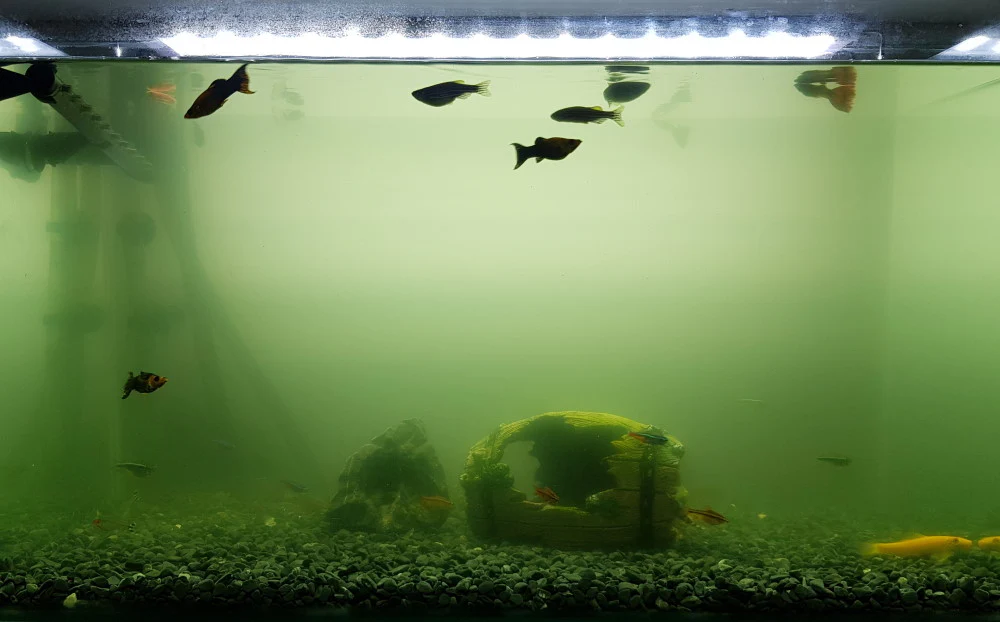
Many aquarium owners make the same assumption the moment they look at their tank and see crystal-clear water. The glass looks spotless, the decorations are visible from every angle, and there are no obvious signs of dirt floating around. At first glance, everything seems perfectly fine. In fact, many people use visual clarity as their main way of deciding whether the aquarium is healthy. If the water looks clean, the tank must be doing well. That assumption feels logical. Unfortunately, it is also one of the most common reasons hidden tank problems go unnoticed for far too long. The truth is that a fish tank can look almost perfect on the outside while still having serious invisible issues developing beneath the surface. Unlike what many beginners believe, water clarity and water quality are not the same thing. A tank can appear clear and still contain harmful compounds that place fish under constant stress. Some of the most dangerous aquarium problems cannot be seen with the human eye at all. This is what makes the issue so deceptive. By the time visible symptoms begin to appear, the fish may already be dealing with poor conditions that have been building quietly for days or even weeks. What you are not seeing is often far more important than what you are. Why Clear Water Can Be Misleading One of the biggest misconceptions in fishkeeping is the idea that clean-looking water automatically means healthy water. Clear water only tells you one thing: there are no visible particles significantly affecting how light passes through the tank. That is a visual observation, not a biological one. Many of the real threats inside an aquarium are chemical and microbial. These do not make the water cloudy. They do not always create a smell. They do not necessarily change the color of the water. This is why a tank can appear visually perfect while still causing ongoing problems for the fish inside it. Ammonia is one of the clearest examples of this. Fish waste, uneaten food, and decomposing organic matter all release ammonia into the water. Ammonia is highly toxic even in small amounts, yet it is completely invisible. You cannot look at a tank and know ammonia levels by sight. The same applies to nitrites, which are another dangerous compound that often appears during cycling issues or filter instability. This is where many owners become confused. They see clear water and assume the tank is stable. Meanwhile, the fish may be swimming in conditions that are chemically stressful. The problem is not what the eye sees. The problem is what the water chemistry is doing. The Hidden Problems Most Owners Never Notice One of the biggest invisible issues is poor nitrogen cycle balance. A healthy tank depends on beneficial bacteria that convert toxic ammonia into nitrites and then into nitrates. This biological filtration process is what keeps the environment safe over time. When something disrupts that cycle, the tank may still look beautiful. The water may remain clear. But the biological balance may be collapsing. This often happens after: None of these problems necessarily change the way the water looks right away. But chemically, they can create a dangerous environment. Another invisible issue is low oxygenation. Some tanks appear visually perfect but have poor water movement or insufficient surface agitation. Fish may begin to show signs of stress even though nothing seems wrong to the owner. Again, this is not a visual issue. It is an environmental one. pH instability is another common hidden problem. Water can remain crystal clear while the pH slowly drifts into a range that stresses the fish. Because many species are sensitive to changes in water parameters, even small fluctuations can affect health over time. Why Fish Often Show the Problem Before the Tank Does One of the most important perspective shifts in aquarium care is learning that fish behavior often reveals problems before the tank visually does. The fish are usually the first indicator. Long before water looks dirty, fish may begin to show subtle warning signs. These can include slower movement, staying near the surface, clamped fins, reduced appetite, unusual hiding, or faster gill movement. Many owners ignore these signs because the tank still looks clean. This is where the visual trap becomes dangerous. The eye says everything is fine. The fish are telling a different story. Behavior often reveals invisible chemistry problems long before the water itself shows any obvious sign. What You’re Really Not Seeing The most important thing you are not seeing is stress. Fish live inside the water. Every chemical imbalance directly affects them. Unlike humans, they cannot step away from the environment. They are fully immersed in it every second. This means invisible issues create constant exposure. A tank that looks perfect but contains unstable parameters can quietly create chronic stress. Over time, this weakens the immune system. This makes fish more vulnerable to disease, fungal infections, parasites, and shortened lifespan. This is why “clean-looking” should never be your only standard. The invisible health of the tank matters more than the visible clarity. The Bigger Shift The biggest mindset shift is understanding that visual cleanliness and biological health are two different things. Clear water is only surface-level information. True tank health comes from: Once you start thinking in terms of water parameters rather than appearance, aquarium care becomes much more accurate. Conclusion Your fish tank can absolutely look clean and still be causing problems. Some of the most dangerous issues in an aquarium are completely invisible to the eye. Ammonia, nitrites, poor oxygenation, unstable pH, and biological imbalance do not need cloudy water to exist. That is why fish behavior and water testing matter far more than visual clarity alone. Sometimes the most dangerous tank is not the one that looks dirty. It is the one that looks perfect while hidden problems continue building underneath. David Bencivenga Writer, advertising copywriter and SEO analyst, I am originally from New York and have been passionate about
The Human Mistake No One Notices: Why Loving Your Pet “Like a Person” Can Quietly Create Bigger Problems

At first, treating a pet like a human often feels like the most loving thing you can do. Many owners speak to their animals as if they fully understand human intention, assign emotional motives to every action, and respond to behavior through a human lens of right, wrong, guilt, and affection. On the surface, this seems caring. It feels natural to project our own emotional framework onto an animal we deeply love. The problem is that affection and interpretation are not the same thing, and when human logic replaces species-specific understanding, behavior problems often begin to grow in ways that are difficult to notice at first. What many people do not realize is that animals do not process the world through the same emotional and cognitive structures that humans do. A dog does not necessarily feel “guilty” in the way a person does. A rabbit is not being “dramatic.” A bird is not “holding a grudge” in the human sense. When owners interpret every action as if it came from a human mindset, they often end up responding incorrectly to what the animal is actually communicating. This is where frustration, confusion, and repeated behavior issues quietly begin. The intention may come from love, but the interpretation often creates distance between what the animal needs and what the owner thinks it needs. Why Human Emotion Often Hides the Real Cause One of the biggest mistakes owners make is assigning human motives to instinctive behavior. A dog that chews furniture while left alone may quickly be labeled as spiteful, angry, or “acting out because it’s mad.” In reality, the behavior may be caused by separation stress, excess energy, boredom, or lack of environmental stimulation. The dog is not sitting there emotionally planning revenge. It is responding to an internal state using the tools available to it. The same thing happens with other pets. A cat knocking objects off a table is often described as “being rude” or “wanting attention in a manipulative way,” when in reality it may be seeking stimulation, reacting to movement, or simply exploring cause and effect. Once human emotional labels are placed on instinctive actions, the real cause becomes harder to see. This is why treating pets like people often creates more confusion rather than more understanding. Instead of asking what human emotion the pet is expressing, the better question is what biological need, instinct, or environmental trigger is driving the behavior. Why Comfort Isn’t Always the Same as Care Another major issue happens when owners assume that what feels comforting to a human must also feel comforting to an animal. For example, constantly holding a small prey animal because it seems “cute” and “needs affection” may actually increase stress if that species naturally prefers low-contact interaction. A reptile placed in a constantly warm room without a heat gradient may seem “comfortable” by human standards, while biologically it is missing the temperature choices it actually needs. This happens because people often substitute emotional instinct for species-specific care. A bird covered in blankets and treated like a child at bedtime may actually need a stable dark cycle and environmental calm, not human-style nurturing rituals. The issue is not love itself. The issue is when love starts replacing understanding. Good care is not always what feels emotionally right to the human. Good care is what aligns with the animal’s biology. Why Discipline Often Goes Wrong Humanizing pets also creates problems in discipline and correction. Many owners believe their pet “knows what it did wrong” because it lowers its head, avoids eye contact, or looks submissive. This often leads to delayed correction based on the assumption that the animal understands moral cause and effect the way a human child would. In reality, most animals respond to immediate association, not delayed moral interpretation. If a dog chewed something two hours earlier, reacting emotionally later rarely teaches the lesson the owner thinks it does. The dog is usually responding to your tone and body language in the present moment, not reflecting on a past decision with guilt. This is one of the biggest ways human thinking quietly breaks training. The owner thinks they are correcting meaning. The animal is only reading immediate emotional energy. The Hidden Damage to Routine and Boundaries Another issue that develops over time is inconsistency. When pets are treated too much like people, owners often make decisions based on emotion rather than structure. Rules change depending on mood. One day the dog is allowed on the bed, the next day it is punished for the same behavior. Feeding times shift according to convenience rather than rhythm. Boundaries become emotional instead of predictable. Animals thrive on consistency. Routine helps create emotional stability, behavioral predictability, and trust. When human spontaneity replaces structured patterns, pets often begin displaying behaviors that owners later describe as “sudden problems.” In reality, the problem was often the lack of clear and stable boundaries. The Bigger Perspective Shift The most important shift is understanding that respecting your pet does not mean turning it into a human. Real care comes from learning how that species thinks, reacts, and regulates itself. A dog needs canine structure, not human assumptions. A bird needs avian stimulation and boundaries, not emotional projection. A rabbit needs prey-animal safety, not mammalian affection patterns borrowed from human relationships. Loving your pet deeply is not the issue. Misreading its needs through a human lens is. The strongest bond usually comes when affection is paired with species-specific understanding. Conclusion Treating your pet like a human often comes from love, but it can quietly create more problems than most owners realize. Human emotional labels, inconsistent boundaries, misplaced comfort, and incorrect discipline can all interfere with understanding what the animal is actually communicating. The goal is not to love less. The goal is to love more accurately. Sometimes the best thing you can do for your pet is stop asking what a person would need in that situation and start asking what that animal needs instead. That is
The Hidden Damage of Humanizing Your Pet: Why Love Alone Isn’t the Same as Understanding

At first, treating a pet like a human often feels like the most loving thing you can possibly do. Many owners talk to their animals as if they fully understand every word, interpret every reaction through human emotions, and respond to behavior as though the pet is making moral choices in the same way a person would. On the surface, this seems affectionate and harmless. In fact, it often comes from genuine love and a desire to create a close bond. The problem begins when affection slowly turns into projection, and human logic starts replacing species-specific understanding. This is where many behavior problems quietly begin to grow without the owner even realizing it. What most people do not notice is that animals do not experience the world through the same emotional structure as humans. A dog is not necessarily feeling guilt the way a person does. A cat is not being spiteful in the human sense. A rabbit is not being dramatic, and a bird is not “holding a grudge” the way people often describe it. When owners assign human motives to instinctive animal behavior, they often start reacting to the wrong problem. Instead of responding to the biological need, the stress trigger, or the routine issue, they respond to a human emotion that may not even exist in that context. The intention may come from love, but the interpretation often creates distance between what the animal needs and what the owner thinks it needs. This gap is exactly where confusion, repeated mistakes, and worsening behavior patterns begin. Why Human Emotions Often Hide the Real Cause One of the biggest mistakes owners make is assuming their pet is acting from the same emotional motives as a person. For example, a dog that chews a shoe while left alone is often immediately described as angry, rebellious, or “doing it on purpose because it was upset.” From a human perspective, this explanation feels emotionally satisfying because it gives the behavior intention. The reality, however, is usually much simpler and much more biological. In many cases, that chewing behavior is linked to separation stress, excess energy, boredom, lack of mental stimulation, or anxiety caused by an inconsistent routine. The dog is not sitting there planning revenge. It is responding to an internal state and releasing that state through behavior. The same thing happens with other pets. A cat knocking objects off a table is often described as rude or attention-seeking in a manipulative way, when in reality it may be engaging with movement, stimulation, or curiosity. Once human emotional labels are placed on instinctive actions, the real cause becomes much harder to see. Instead of asking what “emotion” the animal is feeling in human terms, the better question is what need, instinct, or environmental trigger is driving the behavior. Why Comfort Is Not the Same as Proper Care Another major issue appears when owners assume that what feels comforting to a human must automatically feel comforting to the pet. This is one of the most common ways love unintentionally creates stress. A small prey animal, for example, may be picked up repeatedly because it looks cute and seems to “need affection,” when in reality frequent handling may be increasing fear and overstimulation. To the owner, the contact feels nurturing. To the animal, it may feel like repeated loss of control. The same principle applies across many species. A reptile placed in a generally warm room may seem physically comfortable from a human perspective, but biologically it may still be missing the thermal gradient it actually needs. A bird constantly covered in blankets, talked to like a child, and kept in a highly active environment may be receiving affection while still lacking the environmental rhythm, light cycle, and mental stimulation that supports real well-being. This is why emotional instinct should never replace biological understanding. Good care is not always what feels emotionally right. Good care is what matches the species. Why Discipline Goes Wrong When Pets Are Humanized Another place where this causes problems is discipline. Many owners believe their pet “knows what it did wrong” because it lowers its head, avoids eye contact, or acts submissive after a mistake is discovered. This often leads to delayed correction based on the belief that the animal is reflecting on past behavior with guilt. In reality, most animals do not process correction the way a human child would. They respond to immediate association, tone, body language, and current emotional energy. If a dog chewed something two hours earlier, reacting strongly much later rarely teaches the lesson the owner thinks it does. The dog is not thinking back to the earlier event in a moral framework. It is responding to your present energy. This is one of the biggest ways human thinking quietly breaks training. The owner believes they are correcting meaning. The animal is only reading the current moment. Why Routine and Boundaries Quietly Collapse Humanizing pets also tends to create inconsistent boundaries. Rules begin changing according to emotion rather than structure. One day the dog is allowed on the bed because it seems sweet and comforting. The next day it is scolded for doing the exact same thing. Feeding times shift according to the owner’s mood or schedule rather than the pet’s rhythm. Play, sleep, and discipline all become emotionally driven. Animals thrive on consistency. Routine creates predictability, emotional safety, and trust. When human spontaneity replaces stable structure, behavior often starts to become unstable as well. What owners later describe as “sudden problems” are often the result of unclear expectations that have been building over time. The Bigger Perspective Shift The most important shift is understanding that respecting your pet does not mean treating it like a person. In fact, the healthiest form of love often begins when you stop projecting human needs onto the animal and start understanding how that species actually thinks, reacts, and regulates itself. A dog needs canine structure. A bird needs avian stimulation and rhythm. A rabbit needs prey-animal
Why Your Bird Chooses One Person (And Quietly Avoids Everyone Else)
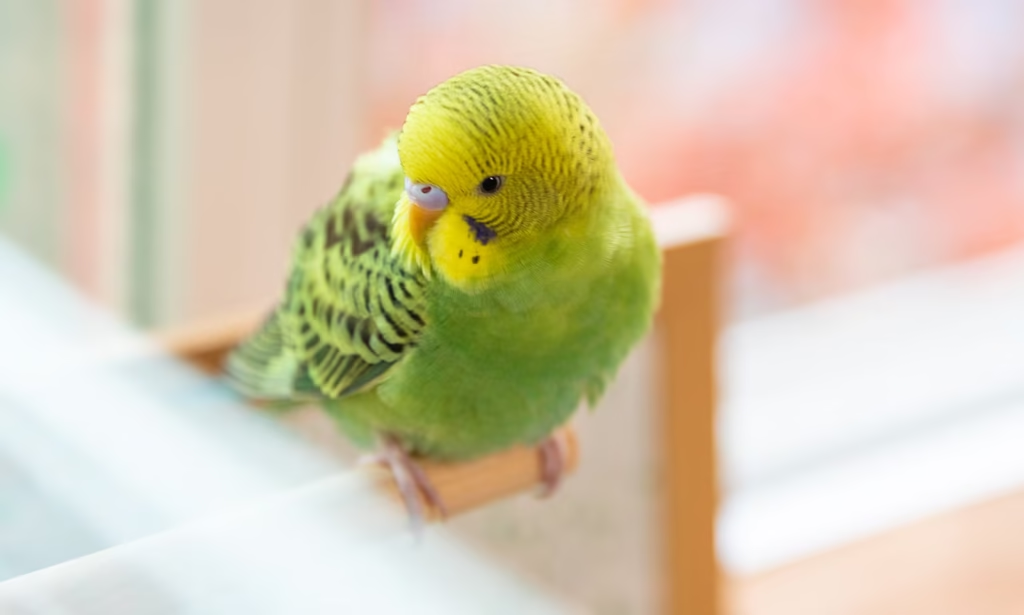
Many bird owners notice something curious over time: even in a home filled with people who care for the bird, feed it, and spend time around it, the bird often seems to form a much stronger bond with just one person. It may fly directly to that individual, respond more quickly to their voice, or appear visibly calmer when they are nearby, while keeping distance from everyone else in the house. To many people, this behavior can feel confusing or even personal, especially when another family member is the one who spends more time cleaning the cage or providing food. The truth is that birds do not choose their favorite person randomly, and it is rarely about simple preference in the human sense. Birds are highly sensitive animals that respond strongly to energy, routine, tone of voice, body language, and emotional consistency. In many cases, the person they choose is the one who makes them feel the safest, not necessarily the one who interacts with them the most. Unlike dogs, birds are prey animals by nature. This means they are constantly evaluating their environment for signs of safety and potential danger. The way someone moves, approaches the cage, extends a hand, or even speaks can strongly influence how the bird feels. A calm, predictable presence often becomes much more attractive than someone who is louder, more abrupt, or inconsistent in the way they interact. Sometimes the chosen person is simply the one who respects the bird’s boundaries better. Birds tend to trust people who allow them to approach on their own terms instead of forcing interaction. Someone who waits patiently, speaks softly, and lets the bird decide when to come closer often builds trust faster than someone who tries too hard to create affection. Another important reason is routine. Birds are incredibly observant and quickly associate people with specific experiences. If one person is consistently present during calm moments, feeding time, or positive interactions, the bird may begin to associate that person with comfort and security. On the other hand, if another person is usually present during loud environments, sudden movements, or stressful situations, the bird may naturally keep more distance. This is why what seems like favoritism is often actually trust-based behavior. The bird is not trying to exclude anyone. It is simply choosing the person whose presence feels the most stable and safe. Once you understand that, the behavior becomes much easier to interpret and improve. Why Birds Build Trust So Differently From Other Pets One of the biggest reasons this behavior surprises people is that many owners unconsciously compare birds to dogs or cats. However, birds form trust in a very different way. While a dog may quickly bond through play, physical affection, and repeated commands, birds usually build connection through observation, patience, and emotional safety over time. A bird pays attention to much more than most people realize. It notices the way someone approaches the cage, the speed of their movements, the volume of their voice, and even the emotional energy they bring into the room. If one person consistently moves slowly, speaks softly, and respects the bird’s space, the bird begins to associate that person with safety. This repeated feeling of security slowly turns into preference. What makes birds unique is that they rarely rush trust. Because they are naturally cautious animals, they often spend days or even weeks simply observing before deciding who feels safe enough to approach. This is why one family member may suddenly seem to become the “favorite” even if everyone has been around equally. Another important factor is how each person responds to the bird’s signals. Birds communicate constantly through body language: feather position, head movement, eye pinning, posture, and vocal tone. The person who notices these signals and adjusts their behavior accordingly often becomes the one the bird chooses. In other words, the bond is not usually about attention alone. It is about who makes the bird feel most understood. David Bencivenga Writer, advertising copywriter and SEO analyst, I am originally from New York and have been passionate about reading and writing since I was little. Books have always been my companions and favorite pastime, which led me to my profession. I hope you enjoy each of my texts and that they can help you in some way. Happy reading!
It Never Happens “Out of Nowhere”: The Hidden Signals Behind Why Your Bird Bites
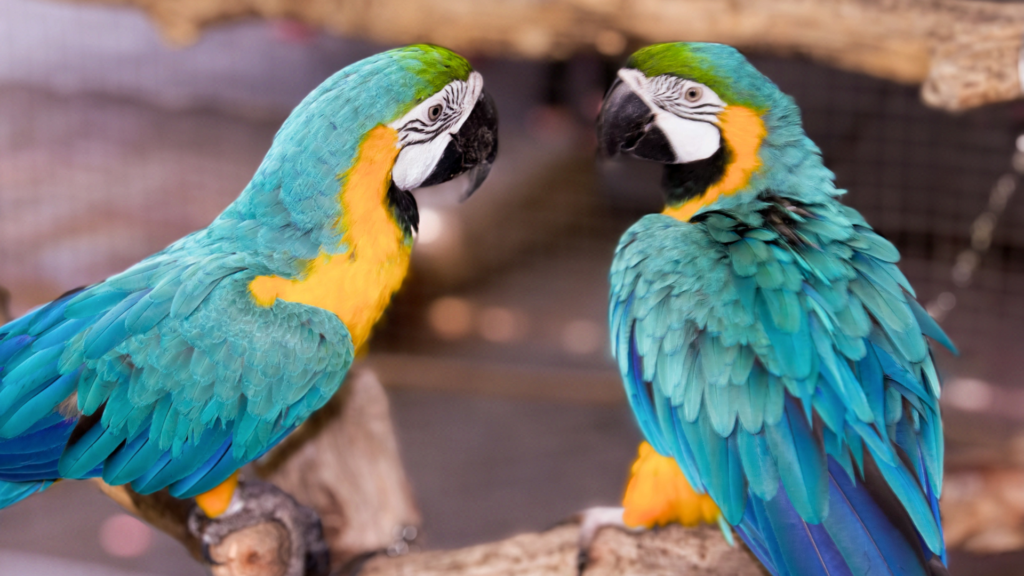
At first, many bird owners describe the moment exactly the same way: everything seemed normal, the bird was perched calmly, maybe even accepting interaction, and then suddenly it bit. Because the action feels fast and unexpected, the immediate conclusion is usually that it happened without warning. Some people begin to think their bird is moody, unpredictable, or simply aggressive for no clear reason. The truth, however, is that in most cases the bite did not come out of nowhere at all. What actually happened is that the warning signs were present, but they were either too subtle to notice or misunderstood in the moment. Birds are highly expressive animals, but they rarely communicate the way mammals do. Instead of giving obvious signals that humans naturally recognize, they often communicate through posture, eye changes, feather position, body tension, head angle, and environmental reactions. The problem is that many owners focus only on the bite itself and miss everything that happened in the seconds or minutes before it. By the time the bite happens, the bird has often already tried several quieter ways of saying that it is uncomfortable, overstimulated, territorial, or simply does not want to be touched at that moment. This is why the biggest mindset shift is understanding that the bite is usually the final signal, not the first one. The Body Language That Happens Before the Bite One of the most commonly missed signals is body tension. A bird that is about to bite often changes its posture before the action ever happens. The body may become slightly more rigid, the neck may extend or pull back, and the stance may shift from relaxed balance to a more alert and braced position. These changes can happen very quickly, which is why they are easy to miss if you are only focused on the hand approaching. Feather position also plays a major role. Some birds slightly tighten their feathers against the body when they are becoming uncomfortable, while others may fluff in a way that looks cute but is actually a sign of internal arousal or overstimulation. The meaning can vary by species, which is why learning the specific body language of your bird matters so much. Eye changes are another huge clue. Certain birds, especially parrots, may show eye pinning, where the pupils rapidly contract and expand. Many owners mistake this as excitement alone, but depending on the context, it can also indicate heightened arousal that may lead to a bite if the interaction continues. Why the Environment Often Triggers the Bite Sometimes the signal is not only in the bird’s body, but in the environment around it. Birds are extremely sensitive to sound, movement, routine disruption, and territory. A hand approaching too quickly, a loud noise in the room, another pet nearby, or a change in lighting can all increase stress before contact even happens. Territory is another major trigger. A bird sitting near its cage entrance, food area, nesting space, or favorite perch may be much more protective than it would be in a neutral setting. To the owner, the bite feels random because the interaction seems identical to another time. From the bird’s perspective, however, the location changed the meaning of the interaction completely. This is why context matters just as much as body language. Why Owners Often Miss the Escalation One of the most common mistakes is assuming that because the bird did not vocalize, there was no warning. Birds often communicate discomfort long before making any sound. A slight lean away from the hand, a pause in movement, tightened grip on the perch, or subtle head repositioning may all be early signals. These moments are often very brief. Because the human mind tends to focus on the final action, the earlier signals disappear from memory once the bite happens. This creates the illusion that it happened instantly. In reality, the escalation often started earlier. The Bigger Perspective Shift The most important shift is understanding that a bite is usually communication, not random aggression. The bird is often responding to discomfort, overstimulation, territorial instinct, or a missed boundary. Once you begin observing what happens before the bite instead of only reacting after it, the pattern becomes much easier to recognize. The bite is rarely the beginning. It is usually the final message after earlier ones were missed. Conclusion Your bird usually does not bite out of nowhere. In most cases, the warning signs were already there in body posture, feather position, eye changes, environmental triggers, or subtle movement cues. The real issue is not unpredictability. It is missed communication. Once you start watching the seconds before the bite, what once felt random often becomes highly predictable. Sometimes the bite is not the surprise. Missing the signals is. David Bencivenga Writer, advertising copywriter and SEO analyst, I am originally from New York and have been passionate about reading and writing since I was little. Books have always been my companions and favorite pastime, which led me to my profession. I hope you enjoy each of my texts and that they can help you in some way. Happy reading!
Why Your Pet’s Routine Matters More Than You Think

Why Your Pet’s Routine Matters More Than You Think requires understanding behavior, consistency, and environment. Many pet owners make mistakes by reacting instead of observing. Animals communicate through patterns, not words, and recognizing those patterns is essential. Each pet responds differently, so adapting your approach is key. A calm environment, gradual changes, and positive reinforcement make the biggest difference. Avoid forcing behaviors and instead guide your pet naturally. Over time, repetition builds habits, and habits shape behavior. Challenges are normal, especially in the beginning. Some animals take longer to adapt due to personality or past experiences. Patience is always more effective than force. When done correctly, this process improves not only behavior but also trust between you and your pet. Why Your Pet’s Routine Matters More Than You Think requires understanding behavior, consistency, and environment. Many pet owners make mistakes by reacting instead of observing. Animals communicate through patterns, not words, and recognizing those patterns is essential. Each pet responds differently, so adapting your approach is key. A calm environment, gradual changes, and positive reinforcement make the biggest difference. Avoid forcing behaviors and instead guide your pet naturally. Over time, repetition builds habits, and habits shape behavior. Challenges are normal, especially in the beginning. Some animals take longer to adapt due to personality or past experiences. Patience is always more effective than force. When done correctly, this process improves not only behavior but also trust between you and your pet. Why Your Pet’s Routine Matters More Than You Think requires understanding behavior, consistency, and environment. Many pet owners make mistakes by reacting instead of observing. Animals communicate through patterns, not words, and recognizing those patterns is essential. Each pet responds differently, so adapting your approach is key. A calm environment, gradual changes, and positive reinforcement make the biggest difference. Avoid forcing behaviors and instead guide your pet naturally. Over time, repetition builds habits, and habits shape behavior. Challenges are normal, especially in the beginning. Some animals take longer to adapt due to personality or past experiences. Patience is always more effective than force. When done correctly, this process improves not only behavior but also trust between you and your pet. Why Your Pet’s Routine Matters More Than You Think requires understanding behavior, consistency, and environment. Many pet owners make mistakes by reacting instead of observing. Animals communicate through patterns, not words, and recognizing those patterns is essential. Each pet responds differently, so adapting your approach is key. A calm environment, gradual changes, and positive reinforcement make the biggest difference. Avoid forcing behaviors and instead guide your pet naturally. Over time, repetition builds habits, and habits shape behavior. Challenges are normal, especially in the beginning. Some animals take longer to adapt due to personality or past experiences. Patience is always more effective than force. When done correctly, this process improves not only behavior but also trust between you and your pet. Why Your Pet’s Routine Matters More Than You Think requires understanding behavior, consistency, and environment. Many pet owners make mistakes by reacting instead of observing. Animals communicate through patterns, not words, and recognizing those patterns is essential. Each pet responds differently, so adapting your approach is key. A calm environment, gradual changes, and positive reinforcement make the biggest difference. Avoid forcing behaviors and instead guide your pet naturally. Over time, repetition builds habits, and habits shape behavior. Challenges are normal, especially in the beginning. Some animals take longer to adapt due to personality or past experiences. Patience is always more effective than force. When done correctly, this process improves not only behavior but also trust between you and your pet. Why Your Pet’s Routine Matters More Than You Think requires understanding behavior, consistency, and environment. Many pet owners make mistakes by reacting instead of observing. Animals communicate through patterns, not words, and recognizing those patterns is essential. Each pet responds differently, so adapting your approach is key. A calm environment, gradual changes, and positive reinforcement make the biggest difference. Avoid forcing behaviors and instead guide your pet naturally. Over time, repetition builds habits, and habits shape behavior. Challenges are normal, especially in the beginning. Some animals take longer to adapt due to personality or past experiences. Patience is always more effective than force. When done correctly, this process improves not only behavior but also trust between you and your pet. Why Your Pet’s Routine Matters More Than You Think requires understanding behavior, consistency, and environment. Many pet owners make mistakes by reacting instead of observing. Animals communicate through patterns, not words, and recognizing those patterns is essential. Each pet responds differently, so adapting your approach is key. A calm environment, gradual changes, and positive reinforcement make the biggest difference. Avoid forcing behaviors and instead guide your pet naturally. Over time, repetition builds habits, and habits shape behavior. Challenges are normal, especially in the beginning. Some animals take longer to adapt due to personality or past experiences. Patience is always more effective than force. When done correctly, this process improves not only behavior but also trust between you and your pet. Why Your Pet’s Routine Matters More Than You Think requires understanding behavior, consistency, and environment. Many pet owners make mistakes by reacting instead of observing. Animals communicate through patterns, not words, and recognizing those patterns is essential. Each pet responds differently, so adapting your approach is key. A calm environment, gradual changes, and positive reinforcement make the biggest difference. Avoid forcing behaviors and instead guide your pet naturally. Over time, repetition builds habits, and habits shape behavior. Challenges are normal, especially in the beginning. Some animals take longer to adapt due to personality or past experiences. Patience is always more effective than force. When done correctly, this process improves not only behavior but also trust between you and your pet. Why Your Pet’s Routine Matters More Than You Think requires understanding behavior, consistency, and environment. Many pet owners make mistakes by reacting instead of observing. Animals communicate through patterns, not words, and recognizing those patterns is essential. Each pet