The Silent Damage of Boredom: Why Birds Break Down Faster Than Most Owners Realize
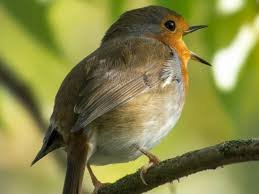
At first, many bird owners assume that as long as the cage is clean, the food bowl is full, and the bird has a perch or two, everything should be fine. From a human perspective, this setup can easily look complete. The bird is safe, sheltered, and physically cared for, so it becomes natural to believe that its emotional and behavioral needs are also being met. The problem is that birds, especially intelligent companion species such as parrots, cockatiels, conures, and similar birds, experience their environment in a way that goes far beyond physical safety. What many people do not realize is that birds get bored much faster than they expect, and boredom in birds rarely stays invisible for long. Unlike animals that spend much of their day resting with lower mental stimulation needs, birds are naturally wired for constant environmental interaction. In the wild, their day is filled with movement, sound, scanning, foraging, social interaction, and decision-making. Every hour involves some form of mental engagement, whether it is finding food, responding to flock sounds, adjusting to environmental changes, or navigating physical space. When this level of stimulation suddenly disappears in a domestic environment, the bird’s mind does not simply “settle down.” Instead, the unused mental energy begins searching for an outlet. This is where boredom quietly starts changing behavior. At first, the signs are subtle. A bird may become more vocal than usual, spend longer periods repeating the same sound, or begin interacting obsessively with one specific part of the cage. Some owners interpret this as personality, noise, or random habit. In reality, these can be some of the first early signs that the bird is not receiving enough mental engagement. Because birds are highly intelligent and deeply routine-sensitive, lack of stimulation often affects them more quickly than people expect. What makes this especially dangerous is that boredom rarely looks dramatic in the beginning. It often develops slowly, and because the bird remains physically healthy on the surface, the deeper behavioral shift can go unnoticed. Why Birds Process the Environment Constantly One of the biggest reasons birds become bored so quickly is because their brain is constantly processing input. Birds are highly alert animals that naturally pay attention to sound changes, movement patterns, visual cues, and social interaction. Even when they appear still, their attention is often active. In the wild, this constant awareness serves survival and social bonding. They listen for flock communication, scan for environmental changes, and engage in complex decision-making throughout the day. When that natural level of input is dramatically reduced inside a repetitive environment, the brain still seeks stimulation. This is where owners often underestimate the problem. The bird may have toys. The cage may be large. The setup may look good. But if the environment never changes, the mental stimulation value can still become extremely low. To a highly intelligent bird, repetition without novelty often becomes mental stagnation. How Boredom Quietly Changes Behavior One of the most important things to understand is that boredom rarely announces itself directly. Instead, it often reshapes behavior over time. A bird that lacks stimulation may begin displaying repetitive actions such as pacing on the perch, climbing the same cage bars repeatedly, vocalizing excessively, or focusing on destructive behaviors. This is often the moment owners say the bird is “acting strange.” But the behavior is not random. It is output. The mind is looking for something to do. Without healthy outlets, that mental energy often turns inward or repetitive. In some cases, boredom can even contribute to more serious behaviors such as feather damaging, overpreening, or increased sensitivity to minor environmental triggers. These patterns do not always begin as severe issues. They often start with something much quieter: repetition and frustration. This is why boredom can quietly break behavior. It does not always explode. Sometimes it slowly rewires the daily rhythm of the bird. Why Owners Miss It Early One of the biggest reasons boredom goes unnoticed is because people often evaluate care through physical standards. Food, water, cleanliness, and cage size all matter, but mental stimulation is often harder to visually measure. A bird may look physically fine while mentally under-stimulated. This disconnect is where many long-term issues begin. Because the early changes are often subtle, owners may not connect excessive noise, irritability, clinginess, or repetitive movement back to boredom. But for many birds, the environment itself becomes the core issue. The Bigger Perspective Shift The most important shift is understanding that birds do not just need safe environments. They need dynamic environments. Mental stimulation is not optional enrichment. It is part of healthy behavioral regulation. Without enough novelty, engagement, and social interaction, boredom often starts shaping the way the bird behaves, reacts, and communicates. Conclusion Birds get bored much faster than most owners realize because their minds are naturally built for constant environmental interaction. When that stimulation disappears, the behavioral effects often begin quietly through repetition, excessive vocalization, frustration, and gradually changing habits. Sometimes the issue is not personality. Sometimes the environment has simply stopped feeding the mind. And when the mind is underfed, behavior often becomes the first place the problem appears. David Bencivenga Writer, advertising copywriter and SEO analyst, I am originally from New York and have been passionate about reading and writing since I was little. Books have always been my companions and favorite pastime, which led me to my profession. I hope you enjoy each of my texts and that they can help you in some way. Happy reading!
Why Your Hedgehog Turns Into a Ball (And Why That Means “Stop,” Not “Safe”)
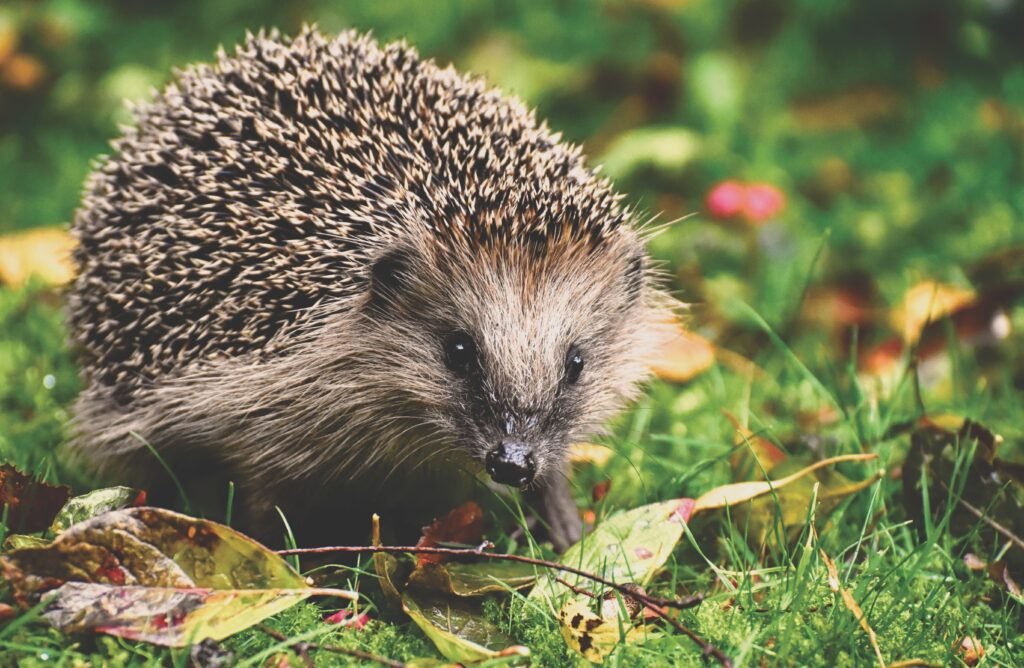
Many first-time hedgehog owners make the same mistake the moment they see their pet curl into a tight little ball. From a human perspective, the reaction often looks almost cute, even comforting. Because the hedgehog appears tucked in, still, and protected, many people instinctively assume that this means the animal feels safe, calm, or simply wants to rest. Some even see it as a sign that the hedgehog is getting comfortable in their hands. But in reality, that assumption can be deeply misleading. A hedgehog turning into a ball is usually not a sign that it feels relaxed or secure. In most cases, it means exactly the opposite. This behavior is one of the clearest defensive signals the animal can give, and the hidden message behind it is much more direct than many owners realize. It means stop. Stop touching. Stop moving closer. Stop creating more stimulation. Stop doing whatever is currently making the animal feel threatened. This is one of the most important mindset shifts in understanding hedgehog behavior because what looks adorable to a human is often actually a very clear boundary signal from the animal itself. A hedgehog does not curl into a ball because it is trying to look comfortable. It curls into a ball because it is trying to protect itself. This is a deeply instinctive defense mechanism built into its survival behavior. In the wild, when a hedgehog senses danger, unfamiliar movement, sudden sound, or unwanted contact, curling into a ball becomes one of its strongest protective responses. By pulling its body inward and exposing its quills outward, it creates a barrier designed to discourage predators and reduce vulnerability. This means the behavior should never be read as emotional comfort. It is usually a sign of discomfort, fear, uncertainty, or overstimulation. Many owners unintentionally make the situation worse by continuing the interaction at that exact moment. Because the hedgehog is not actively running away, some people assume it is acceptable to keep touching it, pick it up again, or continue trying to “help it relax.” But from the hedgehog’s perspective, the ball posture is already the communication. It is the clearest possible no. The problem is that people often misread stillness as acceptance. With hedgehogs, stillness in this form often means self-protection. Why This Happens More Than Owners Realize This behavior can be triggered by many things, and sometimes the cause is much smaller than owners expect. Hedgehogs are highly sensitive to their environment and react strongly to changes that humans may barely notice. A new scent on your hands. A loud sound in the room. A bright light. A sudden movement. A change in temperature. Being woken up unexpectedly. Even something as simple as picking the hedgehog up too quickly can be enough to trigger a defensive curl. This is why the behavior often feels sudden to the owner. From the human perspective, “nothing happened.” From the hedgehog’s perspective, something absolutely did. This is why observation matters so much. The real question is not just why did it curl up? The better question is what happened right before it curled up? Once you start asking that, the pattern often becomes much easier to identify. The Hidden Meaning Behind the Ball The ball is not just a posture. It is communication. This is one of the most important things to understand. Your hedgehog is telling you that the current level of interaction feels unsafe or overwhelming. It is not random. It is not moodiness. It is a protective response. The hidden mistake many owners make is assuming they need to “push through” the behavior so the pet gets used to them faster. In reality, repeatedly ignoring this signal can slow down trust-building. If every time the hedgehog curls up the interaction continues anyway, the animal may start associating handling with stress. Over time, this can make the defensive response stronger and more frequent. This is why respecting the signal is so important. Trust is built when the animal learns that its boundaries are understood. The Bigger Perspective Shift The biggest shift is understanding that defensive behavior is still communication. Your hedgehog is not being difficult. It is responding exactly as its instincts tell it to. Once you stop seeing the ball as a cute resting pose and start seeing it as a message, the interaction becomes much clearer. The message is simple: I need space. I need less stimulation. I do not feel safe right now. That understanding changes everything. Instead of forcing interaction, you begin adjusting the environment. Slower movement. Softer handling. Less noise. More predictability. That is what helps the hedgehog feel safer over time. Conclusion When your hedgehog turns into a ball, it usually does not mean it feels safe. It usually means the opposite. This posture is one of the clearest defensive signals the animal can give, and the message behind it is simple: stop. Stop the current interaction. Pause. Observe what triggered it. Respect the boundary. Once you begin reading the behavior as communication instead of comfort, the relationship becomes much easier to build. The fastest way to create trust is not forcing more contact. It is understanding what the animal is already trying to tell you. Sometimes the strongest bond starts when you learn when to stop. David Bencivenga Writer, advertising copywriter and SEO analyst, I am originally from New York and have been passionate about reading and writing since I was little. Books have always been my companions and favorite pastime, which led me to my profession. I hope you enjoy each of my texts and that they can help you in some way. Happy reading!
Why Your Chinchilla Needs Dust Baths (And Why Water Makes Things Worse)
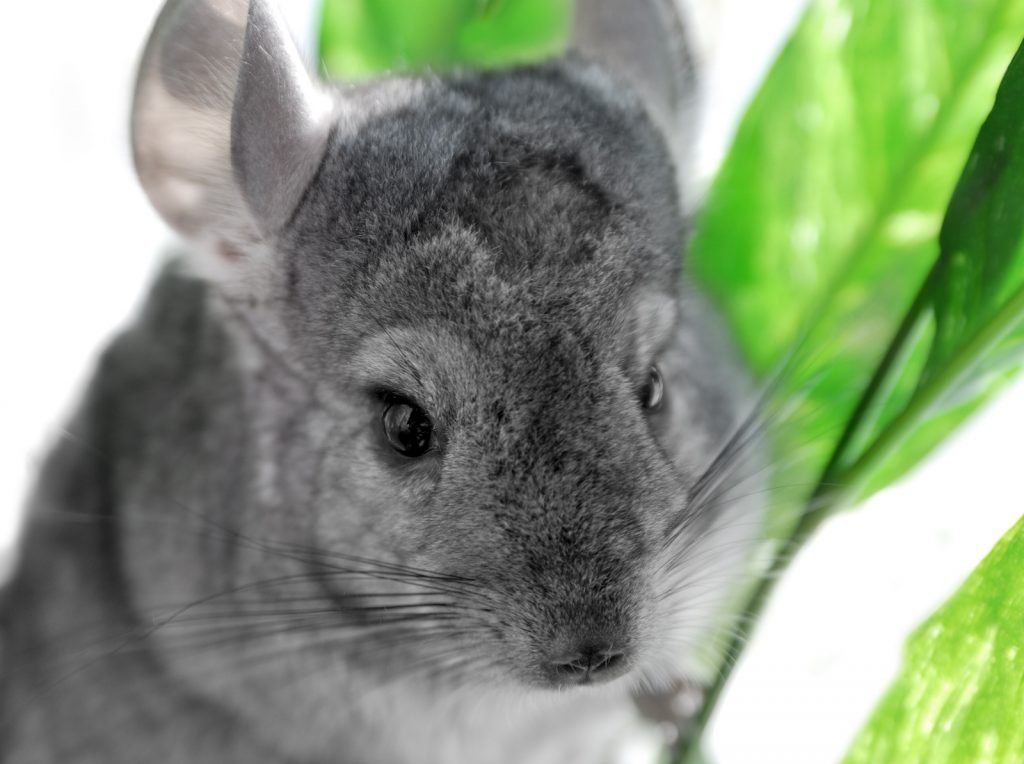
Many first-time chinchilla owners are surprised when they learn that these soft, fluffy animals should not be bathed with water the way many other pets are. At first, this sounds strange. After all, when people think about keeping an animal clean, the most obvious instinct is to imagine water, soap, rinsing, and drying. That is the standard model most people know. If a pet gets dirty, you wash it. If its fur looks dusty, you clean it. If you want it to smell better, you assume water is part of the solution. But with chinchillas, that instinct can create a serious problem. The truth is that chinchillas do not stay healthy by getting wet. They stay healthy by staying dry. Their grooming needs are very different from those of dogs, cats, or even rabbits, and once you understand how their fur works, the reason becomes much clearer. What looks like an unusual care routine is actually one of the most important parts of keeping a chinchilla comfortable, clean, and protected from skin and coat problems. Dust baths are not an optional extra. They are a biological need. And water, despite seeming harmless, can make things much worse. This difference begins with the nature of the chinchilla itself. Chinchillas evolved in dry, mountainous environments where their bodies adapted to conditions very different from the humid, water-based routines that humans associate with cleanliness. Their coat is one of the densest in the animal world, and that density changes everything. Unlike animals whose fur can dry relatively quickly after getting wet, a chinchilla’s fur traps moisture very easily and can hold it close to the skin for far too long. That trapped moisture creates the exact conditions that chinchillas are built to avoid. Instead of helping them, water can leave the skin vulnerable, make the coat unhealthy, and increase the risk of fungal irritation or other skin-related issues. This is why dust baths matter so much. They are not simply about appearance. They help remove excess oils, lift dirt, keep the coat light and clean, and support the natural condition of the fur without introducing the dangers that come from moisture. To someone unfamiliar with chinchilla care, the idea of an animal rolling in dust to get clean may seem backward. But in reality, it is one of the clearest examples of how human assumptions about pet care do not always match the biological needs of the animal itself. Once owners understand this shift, the entire topic starts to make more sense. The goal is not to clean a chinchilla the way a person would clean a dog. The goal is to support the type of coat and skin balance the chinchilla is naturally designed for. That is why dust is helpful and water is risky. What looks like a contradiction is actually the correct form of care. Why Dust Baths Matter More Than Most Owners Realize A dust bath is one of the most essential parts of chinchilla care because it supports both the health of the coat and the comfort of the animal. Chinchillas produce natural oils on their skin just like many other mammals, but because of the structure and density of their fur, those oils need to be managed in a very specific way. If too much oil builds up, the fur can begin to feel heavy, clumped, or less effective at insulating and protecting the body. If dirt remains trapped in the coat, the animal can become uncomfortable, and over time the condition of the fur may decline. Dust helps solve that problem in a way that water cannot. When a chinchilla rolls in the proper dust, the fine particles move through the coat and absorb excess oil while loosening debris. This leaves the fur cleaner, lighter, and closer to the condition it is meant to have. The process also matches the animal’s instincts. Dust bathing is not something chinchillas need to be forced into understanding. It is a natural behavior. Many chinchillas become visibly excited when their dust bath is offered because the activity itself is part of how they regulate comfort and maintain their coat. It is both practical and instinctive. There is also an emotional side to this routine that owners often overlook. A healthy dust bath is not only about grooming. It often becomes part of the chinchilla’s sense of normalcy. Repeated routines create comfort in many small animals, and chinchillas tend to thrive when their environment is predictable and appropriate to their species. Offering dust baths regularly helps maintain that rhythm. In other words, this is not simply about whether the fur looks good. It is about whether the animal is being cared for in a way that matches its biological and behavioral needs. Another important detail is that dust baths help preserve the texture that makes chinchilla fur so unique. Healthy chinchilla fur should feel extremely soft, airy, and dense, not greasy, damp, or compacted. Once the coat starts to lose that quality, it often means something about the environment or care routine needs attention. Dust baths support the coat before it reaches that point. They are preventive as much as they are corrective. This is why owners should never think of the dust bath as a novelty. It is not there for entertainment, even if the chinchilla clearly enjoys it. It is part of the animal’s maintenance. A chinchilla without appropriate dust baths is not simply missing a fun activity. It is missing a core part of healthy grooming. Why Water Creates Problems Instead of Solving Them The biggest misunderstanding in chinchilla care is the assumption that water must be cleaner than dust. From a human perspective, that feels obvious. Water rinses things away. Dust seems messy. But chinchilla fur changes the equation completely. The issue is not what seems cleaner to us. The issue is what the chinchilla’s body can safely handle. A chinchilla’s coat is so dense that when water gets into it, drying becomes difficult. Moisture can
Why Your Axolotl Barely Moves — And Why That’s Actually a Good Sign
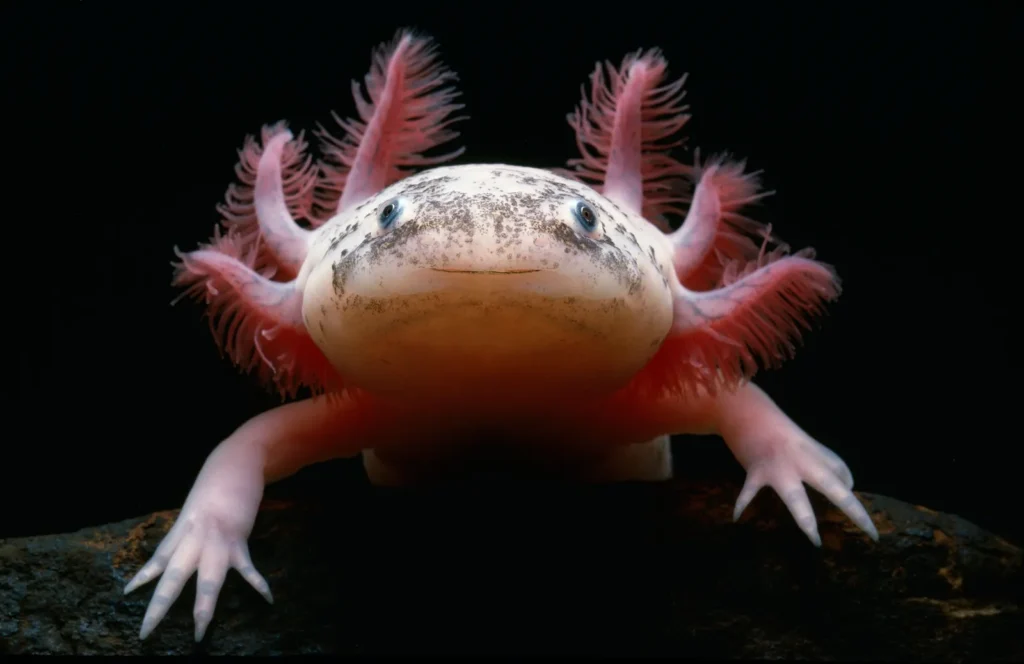
Many first-time axolotl owners become worried the moment they notice how little their pet seems to move. Compared to fish that swim constantly across the tank, explore decorations, or remain active throughout the day, an axolotl can appear almost completely still for long periods. It may rest at the bottom of the tank, stay in the same corner for hours, or only make very subtle movements with its body and gills. To someone unfamiliar with the species, this can immediately feel like something is wrong. The first reaction is usually concern. People often assume the axolotl is sick, tired, stressed, or unhappy with the tank conditions. But in many cases, that assumption is completely wrong. What looks like a problem is often a sign that the axolotl is behaving exactly as nature designed it to. The truth is that an axolotl’s stillness is usually not a sign of weakness. It is a sign of efficiency. Once you understand how this animal naturally lives and conserves energy, the behavior starts to make much more sense. Why Axolotls Naturally Move So Little One of the biggest mistakes new owners make is comparing an axolotl to fish. Even though they live in water, axolotls do not behave like typical aquarium fish. They are built very differently. Their body, instincts, and natural survival strategies are based around conserving energy rather than constant movement. In their natural behavior, axolotls are not animals that spend the entire day swimming around the environment. Instead, they often remain still, observe what is happening around them, and only move when there is a reason to. That reason is usually food, a disturbance in the environment, or a change in comfort. This low-movement pattern is actually extremely efficient. Instead of wasting energy swimming continuously, the axolotl preserves its energy and uses it only when necessary. This is part of what makes the species so fascinating. What many owners call “lazy” is actually an incredibly smart biological strategy. Stillness helps reduce unnecessary energy expenditure. In simple terms, your axolotl is not doing less because something is wrong. It is doing less because its body is designed to do exactly that. Why Stillness Often Means Comfort Another important detail many owners never realize is that stillness can often be a sign of comfort rather than distress. Animals that feel threatened or stressed often show excessive movement, attempts to escape, frantic swimming, or constant hiding. An axolotl that remains calmly in one area of the tank is often showing the opposite. It means the environment feels safe. The water temperature is stable. The lighting is not too harsh. The tank layout feels comfortable. There is no immediate need to move. This is why stillness can actually be reassuring. A comfortable axolotl has no reason to waste energy moving constantly. It stays where it feels secure. Many owners assume pets need to look active all the time in order to be healthy. That assumption comes from comparing them to other animals. Axolotls follow a completely different logic. Their calm behavior is often a sign that they feel settled. The Real Reason: Energy Efficiency The deeper reason behind this behavior comes down to efficiency. Axolotls are masters at energy conservation. Their body is not designed for speed or endless movement. Instead, it is designed for strategic movement. When food is present, they respond. When something changes in the environment, they respond. When they want to reposition themselves, they move. Outside of that, remaining still is the most efficient use of energy. This becomes even more important when you understand how animals survive in nature. Every movement costs energy. For many species, unnecessary movement means unnecessary calorie loss. The axolotl’s instinct is to avoid that. This is why the stillness should not automatically be seen as inactivity. It is purposeful. It is biological efficiency in action. Why the Gills and Small Movements Matter More Instead of focusing on how often the axolotl moves around the tank, it is much more useful to observe smaller signs. Look at the gills. Look at breathing rhythm. Look at how it responds when food is introduced. Look at whether it changes resting positions throughout the day. These details tell you much more than constant swimming ever would. A healthy axolotl may stay in the same area for a long time, but its gills should still show normal subtle movement. Its body posture should look relaxed. When food appears, it should become noticeably more responsive. These are stronger indicators of health than overall movement frequency. The quality of movement matters far more than the amount. When Stillness Can Actually Be a Problem While stillness is often normal, context always matters. The key is to look for other warning signs. If your axolotl barely moves but still eats well, reacts to feeding, maintains healthy gills, and appears comfortable, this behavior is usually completely normal. However, concern becomes more reasonable if the stillness is accompanied by other symptoms. For example, signs such as loss of appetite, curled gills, unusual floating, pale coloration, or visible stress in posture may indicate that the issue is not simple energy conservation. Water quality can also play a major role. Poor water parameters, incorrect temperature, and excessive light can all affect behavior. This is why stillness alone should never be judged in isolation. The full picture matters. The Perspective Shift That Changes Everything The biggest mindset shift is understanding that movement does not equal health. For an axolotl, stillness is often part of healthy, normal behavior. What seems unusual to us is often completely natural for the species. Once you stop comparing it to constantly active fish, the behavior starts to make sense. Your axolotl is not supposed to be in motion all day. It is supposed to conserve energy and move only when needed. That is not laziness. That is efficiency. And in many cases, it is actually a sign that your pet feels comfortable, safe, and biologically normal. Conclusion If your axolotl barely moves, that
Slow on Purpose: Why Your Turtle’s Pace Is One of the Best Signs of Natural Health
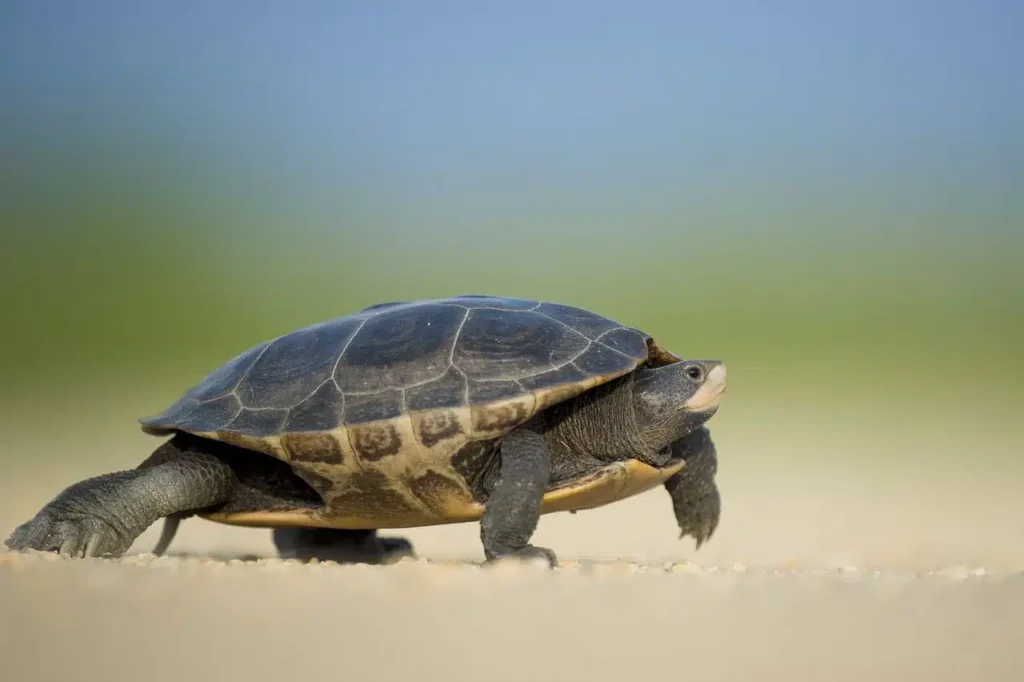
At first, many turtle owners look at their pet’s movement and immediately wonder if something is wrong. Compared to dogs that run to the door, cats that leap onto furniture, or even smaller pets that move with sudden bursts of speed, a turtle’s pace can seem almost surprisingly slow. It takes its time crossing the enclosure, pauses frequently, and often appears to move with a level of calm that humans sometimes interpret as weakness, tiredness, or even laziness. The truth is that this assumption usually comes from comparing the turtle to animals with completely different biology, instincts, and movement needs. A turtle is not slow because it is failing to be active. It is slow because its body is designed for efficiency, conservation, and controlled movement. What many first-time owners mistake as low energy is often one of the most natural expressions of healthy turtle behavior. In fact, that slower pace is deeply connected to how turtles regulate energy use, body stress, and long-term survival. Unlike mammals that rely on constant internal heat production and fast metabolic cycles, turtles operate through a very different system. Their bodies are built to preserve resources, reduce unnecessary energy loss, and move only as much as needed. This is exactly why slow movement is not a problem. For many turtles, it is one of the strongest signs that the body is functioning the way nature intended. Why Slow Movement Is Part of Turtle Biology One of the most important things to understand is that turtles are reptiles, and reptiles use energy very differently from mammals. Their metabolism is naturally slower, which means their body does not demand constant movement, frequent bursts of speed, or high levels of physical output in the same way a dog or cat might. This slower metabolic rhythm affects everything. Movement. Digestion. Feeding intervals. Rest cycles. Temperature regulation. Because of this, the turtle’s body is naturally built around efficiency. Every movement tends to be deliberate rather than impulsive. Instead of wasting energy through constant motion, the turtle conserves it, using movement when there is a biological reason such as reaching heat, food, water, shelter, or a preferred resting area. This is why many healthy turtles appear calm and measured. They are not moving less because something is wrong. They are moving according to the pace their body was designed for. Why Fast Movement Would Actually Be More Concerning One perspective shift that helps many owners is understanding that unusually frantic or restless movement can often be more concerning than normal slow pacing. A turtle that suddenly begins moving rapidly around the enclosure, repeatedly scratching glass, or showing constant restless motion may actually be signaling stress, environmental discomfort, or an unmet need. By contrast, slow, controlled movement often reflects stability. A healthy turtle tends to move with purpose. It may slowly approach food. Move toward the basking area. Enter the water. Change position to regulate temperature. These movements are often calm because the body is not built for unnecessary urgency. This is exactly what helps preserve long-term health. Why Energy Conservation Supports Health One of the biggest reasons turtles live with such measured movement patterns is because energy conservation supports survival. In nature, unnecessary movement can increase exposure, waste resources, and raise physical stress. Turtles evolved around minimizing that loss. This affects not only physical movement but overall body regulation. A slower-moving turtle often places less mechanical stress on the body, uses energy more efficiently, and remains aligned with its metabolic rhythm. From a health perspective, this efficiency matters. The body is not constantly overexerting itself. Instead, it is preserving balance. This is one of the reasons slow, natural movement often aligns with healthy reptile function. Why Human Comparison Creates Confusion Many owners become worried because they compare the turtle to mammals or more active pets. Human minds naturally associate speed with vitality and slowness with weakness. But for turtles, this comparison creates the wrong standard. The correct comparison is not against mammals. It is against normal species behavior. When viewed through reptile biology, the slower pace often becomes reassuring rather than alarming. The Bigger Perspective Shift The most important shift is understanding that turtles are not supposed to move like faster companion animals. Their health is not measured by speed. It is measured by consistency, posture, appetite, shell condition, and natural movement patterns. Slow movement is often exactly what healthy turtle behavior looks like. Conclusion Your turtle moves slowly not because it is weak, tired, or unhealthy, but because its body is designed for deliberate and efficient movement. That pace helps preserve energy, reduce stress, and support long-term biological balance. Sometimes the healthiest thing about your turtle is the exact thing that first made you worry. Its slowness is not a flaw. It is one of the clearest signs that its body is doing exactly what it was built to do. David Bencivenga Writer, advertising copywriter and SEO analyst, I am originally from New York and have been passionate about reading and writing since I was little. Books have always been my companions and favorite pastime, which led me to my profession. I hope you enjoy each of my texts and that they can help you in some way. Happy reading!
Why Your Ferret Bites During Play (And Why Stopping It the Wrong Way Makes It Worse)
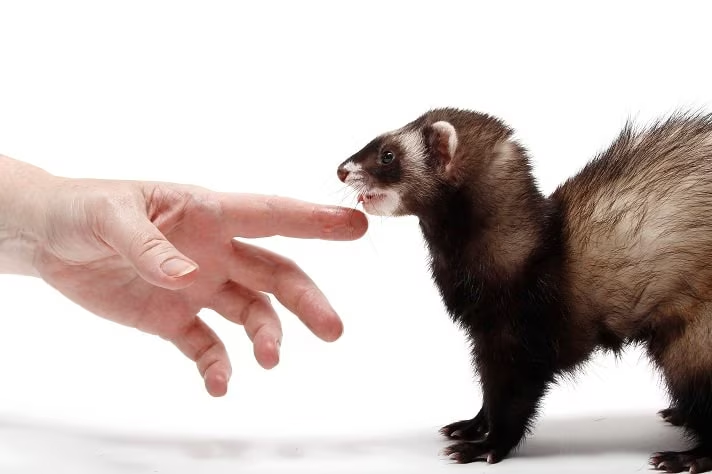
Many first-time ferret owners feel a wave of concern the first time their ferret bites during play. The immediate reaction is usually emotional and very understandable. Most people quickly assume that the animal is becoming aggressive, difficult, or badly behaved. Because biting is often associated with anger or hostility in the way humans interpret behavior, it is easy to believe that something is wrong. However, with ferrets, that first impression is often misleading. The truth is that biting during play is one of the most misunderstood behaviors in ferret care. In many cases, the ferret is not showing aggression at all. Instead, it is engaging in one of the most natural forms of interaction for its species. Ferrets are highly energetic, curious, and physically expressive animals. They use their mouths not only to eat, but also to explore, communicate, and interact with the world around them. This includes toys, objects, other ferrets, and very often their owners. What feels alarming to a person is often completely normal from the ferret’s point of view. During moments of excitement, a ferret may nip, mouth, or lightly bite as part of play. This is especially common in younger ferrets that are still learning boundaries and bite control. Much like puppies, they do not always understand how much pressure is too much. What feels painful to a human hand may not be intended as harm. In many situations, it is simply overexcited play. This is why context matters so much. A playful bite is very different from a defensive bite. When a ferret is playing, the biting is often accompanied by fast movement, jumping, sideways bouncing, chasing behavior, and repeated attempts to keep the interaction going. The body language usually feels loose and energetic rather than tense. By contrast, a fearful or defensive bite tends to happen with a more rigid posture, sudden reaction, and a clearly protective tone. One of the biggest mistakes owners make is reacting in a way that accidentally reinforces the behavior. The most common example is pulling the hand away quickly. From a human perspective, this feels automatic. If something bites, you move away. But from the ferret’s perspective, that sudden movement can make the game even more exciting. The fast motion can trigger chase instincts and make the ferret feel like the play session just became more stimulating. In other words, the bite gets rewarded. The ferret bites, your hand moves fast, and now the interaction feels even more fun. Over time, this can teach the ferret that biting creates an exciting reaction. Another mistake is responding with exaggerated emotion. Yelling, jerking your hands, or reacting dramatically can increase the animal’s excitement level. Ferrets are extremely responsive to movement and energy. A loud or sudden reaction may not be interpreted as a correction. Instead, it may simply raise the intensity of the play. This is one of the hidden reasons the behavior sometimes gets worse instead of better. Inconsistency can also make the problem stronger. Some owners allow gentle nipping during certain moments but react negatively when the bite becomes harder. From the ferret’s perspective, this creates unclear boundaries. The animal keeps testing pressure because the response it receives changes from one interaction to another. Ferrets learn through repeated patterns. If the pattern is inconsistent, the behavior often remains inconsistent too. The key is to stop interpreting every bite as aggression and start seeing it as communication mixed with excitement. In many cases, your ferret is not trying to hurt you. It is simply engaging in play using the tools nature gave it. Once you understand that, the goal shifts. Instead of trying to “punish” the behavior emotionally, the focus becomes teaching better boundaries through calm and consistent responses. This is what makes the biggest difference over time. The behavior itself is usually not the problem. The response to it often is. David Bencivenga Writer, advertising copywriter and SEO analyst, I am originally from New York and have been passionate about reading and writing since I was little. Books have always been my companions and favorite pastime, which led me to my profession. I hope you enjoy each of my texts and that they can help you in some way. Happy reading!
It’s Not Bad Behavior: Your Pet’s Energy Is the Real Story

At first, many pet owners quickly label certain actions as “bad behavior.” A dog suddenly zooming around the house, a cat knocking objects off a shelf, a rabbit digging at the corner of a rug, or a bird becoming unusually loud can all immediately be interpreted as disobedience, attitude, or a lack of training. From a human perspective, it is easy to assume the animal is simply acting out. The truth, however, is often much less emotional and far more biological. In many cases, your pet is not misbehaving at all. What you are actually seeing is an energy imbalance. The animal may be operating with far more stimulation than it knows how to release, or in some situations, with too little energy support to regulate itself properly. This is one of the most overlooked explanations behind behavior that owners often call “problematic.” Instead of seeing the action as defiance, it helps to see it as output. Behavior is often the body’s way of expressing an internal state. A pet with excess energy usually looks very different from a pet with low energy, but both can be misunderstood. Too much energy often creates hyperactivity, repetitive movement, excessive vocalization, jumping, digging, chewing, pacing, or attention-seeking actions. On the other hand, too little energy or mental stimulation can lead to frustration, lethargy, irritability, and seemingly random bursts of intense activity. In both situations, the visible action is often the symptom, not the root issue. When Too Much Energy Looks Like “Bad Behavior” One of the most common examples is a pet that appears impossible to settle. A dog may run from room to room, jump on furniture, bark excessively, or chew on things it normally ignores. A cat may suddenly sprint across the house, scratch areas it usually avoids, or repeatedly seek stimulation through climbing and chasing. Owners often interpret these moments as the animal being difficult, but in many cases the body is simply overloaded with unspent energy. Energy needs do not only come from physical movement. Mental stimulation plays an equally important role. A highly intelligent pet that lacks environmental enrichment may begin turning that unused mental energy into physical behaviors. This is why some actions seem to happen “for no reason.” The reason is often invisible until you start thinking in terms of energy output instead of obedience. When Too Little Energy Creates Strange Behavior The opposite can also happen. Some pets are not overstimulated. They are under-supported. Low energy can make an animal seem distant, irritable, or less responsive. Sometimes owners push interaction at the wrong moment, expecting play or training when the animal is actually tired, overstressed, or physically drained. In these situations, what looks like stubbornness may simply be low physical or emotional capacity. This is especially common when sleep, feeding routine, temperature, and environment are not aligned with the pet’s needs. A reptile without proper heat support, a rabbit disturbed during rest hours, or a nocturnal pet forced into daytime interaction may all appear “badly behaved” when the real issue is energy timing. Why the Behavior Is Usually Output, Not Attitude One of the biggest mindset shifts is understanding that behavior is often output. It is the visible expression of what is happening internally. Excess energy needs release. Low energy needs support. Stress energy needs decompression. Without looking at that internal state, the visible behavior gets misread. This is why punishment often fails when the true issue is energy imbalance. The action returns because the cause never changed. Conclusion Your pet is often not misbehaving in the emotional way humans imagine. More often, the behavior is simply the body communicating an energy imbalance. Sometimes there is too much stimulation looking for release. Other times there is too little support for the body to function comfortably. Once you begin looking at actions as energy output rather than attitude, the behavior becomes much easier to understand. Sometimes what looks like bad behavior is simply biology asking for a different kind of balance. David Bencivenga Writer, advertising copywriter and SEO analyst, I am originally from New York and have been passionate about reading and writing since I was little. Books have always been my companions and favorite pastime, which led me to my profession. I hope you enjoy each of my texts and that they can help you in some way. Happy reading!
Why Changing All the Water in Your Tank Can Do More Harm Than Good
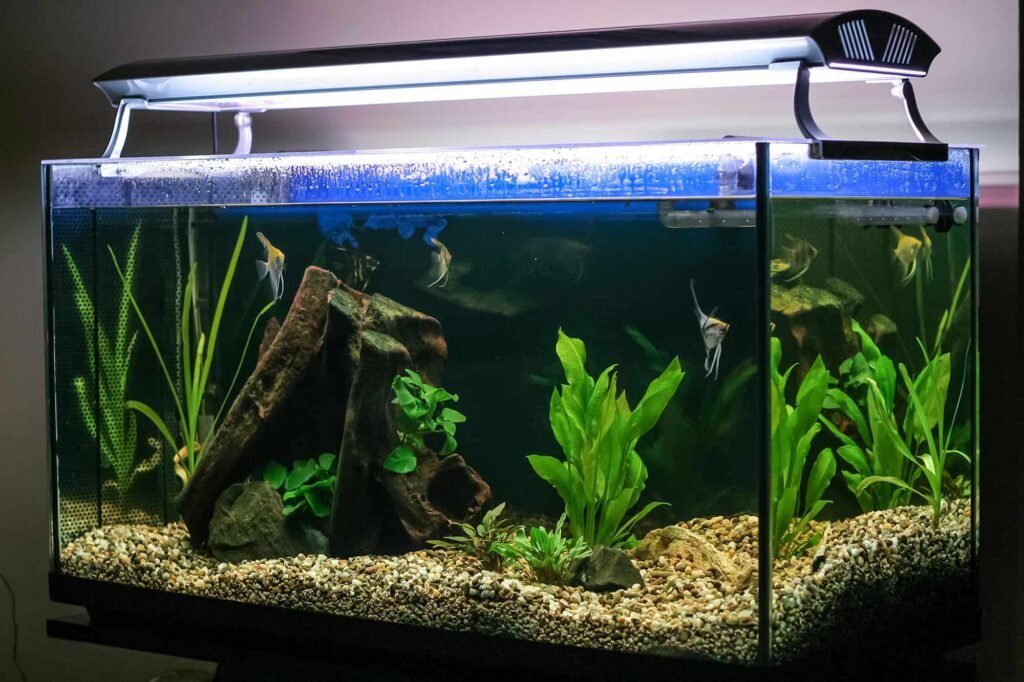
Many aquarium owners believe that the best way to keep a tank healthy is to replace all the water whenever it starts to look cloudy, develops an odor, or shows visible debris. At first, this approach seems completely logical. If the water looks dirty, replacing everything should immediately solve the problem. For someone new to fishkeeping, a full water change often feels like the most responsible action. Fresh water seems cleaner, safer, and better for the fish. But this assumption can be misleading. In reality, replacing all the water in your tank at once can do significantly more harm than good. The danger is not always immediate, which is what makes this mistake so common. Sometimes the fish may seem fine for a few hours. Sometimes they even appear more active at first. Then, within the next day or two, signs of stress begin to appear. Rapid breathing. Loss of appetite. Erratic swimming. Staying at the bottom of the tank. In more severe cases, sudden deaths. The reason is simple. An aquarium is not just a container filled with water. It is a living biological system. The moment you understand this shift, tank care becomes much easier and far more effective. Why This Matters The most important thing to understand is that your aquarium functions as an ecosystem. The water itself is only one part of that system. Inside the tank, beneficial bacteria live on almost every surface. They are present in the filter media, gravel, substrate, decorations, plants, and even on the glass walls. These bacteria are essential because they process fish waste. Every fish produces ammonia through waste and respiration. Ammonia is highly toxic. Even small amounts can quickly become dangerous. Beneficial bacteria convert ammonia into nitrite, which is also harmful, and then into nitrate, which is much less dangerous and can be controlled with regular partial water changes. This process is known as the nitrogen cycle. Without this cycle, toxins build up rapidly. When you replace all the water and clean everything aggressively, you risk disrupting this balance. Even if you do not completely remove the bacteria, the sudden environmental shift can weaken the biological stability of the tank. This is why the issue is bigger than “dirty water.” What matters most is maintaining biological consistency. Fish do not only react to visible cleanliness. They react to chemical stability. The Bigger Shift This is where many aquarium owners need a change in perspective. Clear water does not automatically mean healthy water. Likewise, slightly cloudy water does not automatically mean danger. The health of a tank is determined by stable parameters, not just appearance. A tank with perfectly clear water can still contain dangerous ammonia spikes. On the other hand, a well-cycled tank with a slight natural tint may be perfectly safe. The real danger of a full water change is the sudden shift in environmental conditions. Fish are extremely sensitive to changes in: Even if the new water is technically clean, these sudden differences can shock the fish. Stress weakens their immune system. This makes them more vulnerable to parasites, fungal infections, and bacterial diseases. What looks like a cleaning solution may actually create a stress event. This is why stability is always more important than perfection. A slightly imperfect but stable tank is almost always safer than a perfectly clean but constantly changing environment. Step-by-Step Adjustment Step 1: Replace only part of the water Instead of changing 100% of the water, aim for a partial change of around 20% to 30%. For tanks with heavier bioloads, up to 40% may be acceptable. This removes accumulated nitrates and waste while preserving the overall stability of the ecosystem. The fish remain in familiar water conditions. The bacteria colony remains active. The system continues functioning normally. This small adjustment is enough to improve water quality without causing shock. Step 2: Protect your beneficial bacteria One of the biggest mistakes is washing filter sponges or media under tap water. Tap water often contains chlorine or chloramine. These chemicals can kill beneficial bacteria almost instantly. Instead, remove some water from the tank during the water change and use that old tank water to gently rinse the filter media. This keeps the bacteria colony alive while removing excess debris. Never replace all filter media at once unless absolutely necessary. Doing so can destabilize the cycle. Step 3: Match temperature and chemistry Before adding new water, make sure the temperature is as close as possible to the tank’s current temperature. A sudden temperature drop or increase can shock the fish. The same applies to pH and hardness. If the source water is very different, use conditioners or prepare the water in advance. Always treat tap water with a proper dechlorinator before adding it to the tank. Even a small amount of untreated chlorine can be harmful. Step 4: Follow a consistent schedule Consistency is what keeps tanks healthy long-term. A regular weekly schedule is far more effective than waiting until the tank looks dirty. For most aquariums, a weekly 20% to 30% water change works extremely well. This prevents waste accumulation before it becomes a problem. Routine maintenance reduces stress for both the fish and the owner. The Perspective Change The real goal of aquarium care is not to make the tank look brand new every time. The goal is to maintain equilibrium. Fish thrive in predictable environments. They adapt to stable conditions. When the environment changes too drastically, their bodies must constantly adjust. This repeated stress creates long-term health problems. Once you stop thinking in terms of “clean versus dirty” and start thinking in terms of “stable versus unstable,” your entire approach changes. That is when tank maintenance starts to become simpler. And far more effective. Conclusion Changing all the water in your tank may seem like the fastest way to fix a problem. But in many cases, it creates a larger one. The aquarium is a living ecosystem built on balance, beneficial bacteria, and consistency. Full water changes can disrupt
The Hidden Power of Routine: Why Feeding Time Matters More Than the Food Itself

At first, most pet owners naturally focus almost all of their attention on the food itself. They spend time comparing ingredients, checking labels, looking at protein percentages, and trying to choose what seems like the healthiest option. While food quality is undeniably important, there is another factor that many people underestimate, and in some cases, it influences your pet’s well-being even more than the bowl itself: consistency in timing. The moment feeding becomes unpredictable, many animals begin to show subtle changes in mood, behavior, digestion, and overall comfort that owners often fail to connect back to routine. Animals thrive on predictability far more than humans sometimes realize. For many species, daily life is built around repeated patterns that create a sense of safety and structure. Feeding at the same time every day helps establish a reliable rhythm for the body, allowing biological processes such as digestion, energy regulation, and even sleep cycles to align more naturally. When that rhythm is constantly changing, the pet’s body is forced to adapt again and again, which can create unnecessary stress even if the food itself is excellent. Why Routine Feeds More Than Hunger Food does not only satisfy hunger. For many pets, feeding time acts as one of the most important anchors in their day. It becomes part of how they understand the flow of time, predict what happens next, and feel secure in their environment. A dog, cat, bird, rabbit, or reptile often begins anticipating feeding long before the food appears, and that anticipation itself becomes part of the routine. What many owners do not notice is that this routine affects emotional stability. When meals happen consistently, the animal learns that its needs are reliably met. This predictability reduces uncertainty. In contrast, inconsistent feeding schedules can create anxiety, excessive food focus, vocalization, pacing, and even behavioral issues that seem unrelated at first glance. The food nourishes the body. The schedule often nourishes the nervous system. That distinction is far more important than it first appears. The Digestive System Loves Predictability Another major reason timing matters is digestion. The body does not simply react when food arrives. Over time, it begins preparing in advance. Digestive enzymes, stomach activity, and hormonal responses often start adjusting based on expected routine. This means that feeding at roughly the same time every day allows the body to function more efficiently. When feeding times constantly shift, digestion can become less predictable. Some pets may show signs such as irregular appetite, mild stomach discomfort, inconsistent stool patterns, or unusual restlessness around meals. Owners often focus only on what the animal is eating, but sometimes the issue is when it is eating. The body works best when it can anticipate. Routine allows anticipation. Anticipation supports better digestion. This is why timing often matters much more than owners initially think. Why Behavior Changes Around Feeding Schedules One of the clearest places routine shows up is behavior. Pets quickly associate certain times of day with specific events. Feeding becomes part of a larger daily structure that often influences play, rest, alertness, and even bonding. For example, a dog that eats every morning at the same hour may naturally begin waking with a more stable rhythm. A cat fed consistently in the evening may become calmer and less vocal throughout the day because the expected routine feels secure. On the other hand, irregular feeding times can make behavior seem “random.” The pet may become more demanding, hyper-focused on food cues, or display signs of frustration. In reality, the behavior is often not random at all. It is the routine becoming unstable. The Bigger Perspective Shift The biggest mindset shift is understanding that feeding is not only about nutrients. It is also about structure, trust, and biological rhythm. The bowl matters, but the clock matters too. A high-quality food given inconsistently can still create stress. A consistent schedule helps the animal feel that its world is predictable. For many pets, that sense of predictability is deeply connected to emotional and physical health. Conclusion Feeding your pet at the same time every day often matters far more than most owners realize. Beyond the food itself, the routine supports digestion, emotional stability, trust, and behavioral balance. The real power of feeding time is not only what is in the bowl. It is the consistency that surrounds it. Sometimes health begins not with changing the food, but with changing the rhythm of the day. David Bencivenga Writer, advertising copywriter and SEO analyst, I am originally from New York and have been passionate about reading and writing since I was little. Books have always been my companions and favorite pastime, which led me to my profession. I hope you enjoy each of my texts and that they can help you in some way. Happy reading!
Why Your Snake Is Not Eating (And Why That Might Be Completely Normal)
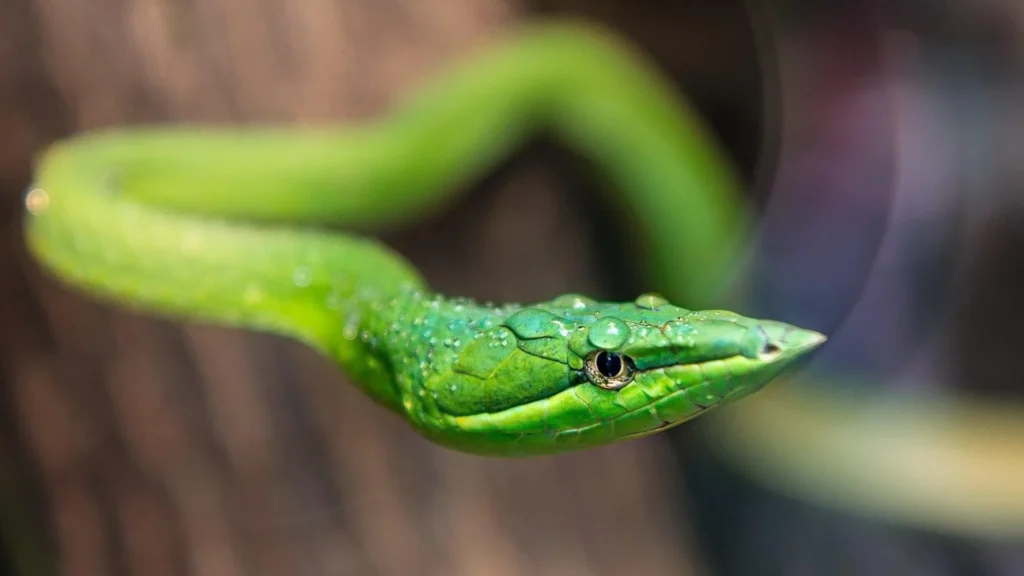
Few things make a snake owner worry faster than seeing food refused more than once. The moment a snake turns away from prey, ignores it completely, or shows no feeding response, the mind immediately starts going to the worst possibilities. Many owners quickly assume that something must be wrong. They begin to wonder whether the snake is sick, stressed, dying, or whether something in the enclosure setup has failed. While those concerns are understandable, the truth is often far less alarming than most people imagine. One of the biggest misunderstandings in reptile care is assuming that snakes should eat on a fixed, predictable schedule in the same way many mammals do. People are used to animals that show daily hunger cues and strong feeding routines. Snakes do not always work that way. In fact, one of the most important mindset shifts for any snake owner is understanding that refusing food is not automatically a sign of illness. In many cases, it can be completely normal. This is especially true when the snake otherwise appears healthy, alert, properly hydrated, and behaves normally within the enclosure. Appetite in snakes is heavily influenced by species, age, temperature, environment, seasonal cycles, shedding, breeding behavior, and stress levels. What looks like a problem from a human perspective may simply be the animal following its natural biological rhythm. This is why context matters more than the refusal itself. A snake not eating once, twice, or even for a longer period depending on the species does not immediately mean something is wrong. The real question is why the feeding response has changed and whether the reason fits normal reptile behavior. Why Snakes Naturally Go Through Periods of Reduced Appetite Unlike mammals, snakes are highly efficient animals when it comes to energy use. Their metabolism is built around long intervals between meals, especially compared to pets like dogs, cats, or small mammals. Depending on the species, age, and size of the snake, going several days or even weeks without food can be entirely normal. Adult snakes especially may not need to eat as frequently as new owners expect. A juvenile snake may eat more often because it is growing rapidly, but an adult snake often has a much slower feeding rhythm. This becomes even more noticeable in species known for seasonal appetite changes. Some snakes naturally reduce feeding during cooler periods, changes in daylight cycle, or environmental shifts. This is not necessarily illness. It is biology. Their body is designed to conserve energy and process food efficiently over time. Because of this, many healthy snakes simply do not display hunger the way mammalian pets do. The absence of frequent eating should not automatically be interpreted as distress. Shedding Is One of the Most Common Reasons One of the most common completely normal reasons a snake stops eating is shedding. Before a shed cycle, many snakes become less interested in food. This often happens because their body is already directing energy toward the shedding process. At the same time, their vision may temporarily worsen. During the pre-shed phase, many snakes develop cloudy or blue eyes, which can reduce confidence and feeding response. A snake that normally strikes quickly may suddenly seem uninterested. This is often not because something is wrong. It is because the snake is temporarily uncomfortable and less visually responsive. Once the shed is complete, appetite often returns naturally. This is one of the most important normal causes that owners should always check first. Temperature and Enclosure Conditions Matter More Than Most Owners Realize Another major factor is enclosure temperature. Snakes rely completely on external heat sources to regulate body function. If the warm side of the enclosure is too cool, digestion slows significantly. This can directly reduce appetite. A snake that does not feel thermally prepared to digest food may instinctively refuse feeding. This is not bad behavior. It is survival logic. The body knows when digestion conditions are not ideal. Humidity can also play a role depending on the species. Poor environmental conditions often create mild stress that affects appetite before any other visible sign appears. This is why feeding issues should always be evaluated alongside enclosure parameters. Sometimes the snake is not refusing food because it is sick. Sometimes it is responding to an environmental issue that the owner has not yet noticed. Stress Is Often Misread Stress is another major reason snakes temporarily stop eating. New enclosure. New home. Recent handling. Loud environment. Too much enclosure traffic. Insufficient hiding spots. All of these can make a snake feel exposed. A stressed snake often prioritizes security over feeding. From its perspective, eating while feeling unsafe is not logical. This is why newly acquired snakes commonly refuse food for a short period. In many cases, this is completely normal. They need time to settle. Owners often make the mistake of trying to feed too frequently during this phase, which can actually increase stress. Sometimes the best approach is patience. Seasonal Behavior and Breeding Cycles Many snake species also go through seasonal feeding changes. This is especially true in adults. During breeding season, some snakes, particularly males, may reduce food intake dramatically. Their biological focus temporarily shifts away from feeding behavior. This can last for a meaningful period depending on species and environmental triggers. Again, this may seem alarming to a first-time owner. But it is often completely normal. A healthy adult snake can safely go extended periods without eating far more easily than most people realize. When It Might Actually Be a Problem While refusal can be normal, context always matters. The bigger concern is when food refusal happens alongside other symptoms. For example: In these situations, the issue may go beyond normal appetite fluctuation. The refusal itself is not always the problem. The accompanying signs are. This is why observing the entire animal matters much more than focusing only on food. The Bigger Perspective Shift The most important mindset shift is understanding that snakes do not follow mammal feeding expectations. A missed meal