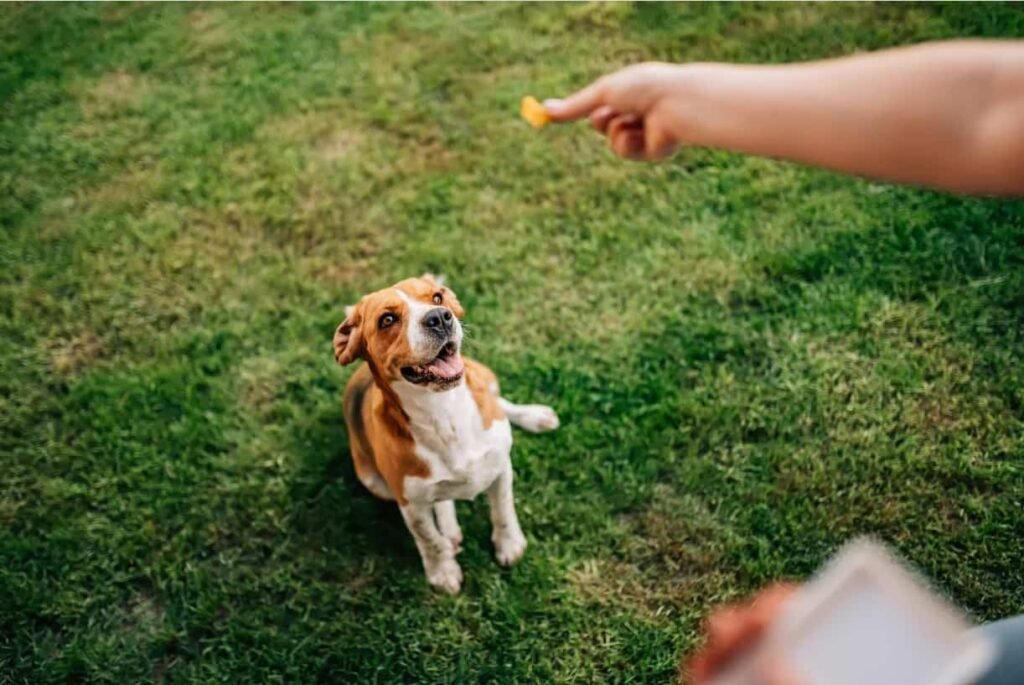
One of the most common frustrations pet owners experience happens when training does not move as quickly as they expected. After repeating the same command, routine, or behavioral correction for several days, many people start to assume that their pet is simply not learning fast enough. They begin to compare their animal to videos online, stories from other owners, or idealized expectations built around instant progress. This is usually the moment a label appears.
Slow.
Stubborn.
Hard to train.
Not understanding.
But in many cases, the real problem is not the pet’s ability to learn.
The real problem is the timeframe the owner is using to judge progress.
What many people call slow learning is often completely normal learning happening on a biological timeline rather than a human emotional one. Animals do not learn according to the pace of our expectations. They learn according to repetition, consistency, environment, emotional state, reinforcement history, species instincts, and trust.
This is one of the biggest mindset shifts in training.
Your pet is usually not slow.
You may simply be measuring progress too early.
Humans tend to expect visible results quickly because we naturally focus on outcomes. We repeat a command for a few days and expect the behavior to become stable almost immediately. If it does not, frustration starts building. But learning is rarely linear, and this is especially true with animals.
Many pets first go through a recognition phase before they ever show reliable execution. In other words, they may already be beginning to understand the cue long before the behavior looks consistent from the outside. Owners often mistake inconsistency for absence of learning, when in reality the animal is still in the stage of building association.
For example, a dog learning recall may understand that its name and the command “come” are linked to returning, but distractions, energy level, environment, and reward value still influence whether the response appears immediately every time. The pet is not necessarily failing to learn. It may still be in the process of converting recognition into habit.
This distinction matters more than most owners realize.
Understanding is not the same as consistency.
Consistency takes repetition.
Repetition takes time.
And time in animal learning is often much longer than people emotionally expect.
Another major reason people misjudge learning speed is because they only count visible success moments. If a pet performs a behavior correctly three times out of ten, many owners focus on the seven failures and conclude that no progress is happening. But from a behavioral perspective, those three successful repetitions may already be significant evidence that learning is actively taking place.
Progress often appears in fragments before it becomes stable.
This is especially true in early training.
A pet may first respond only in calm environments.
Then only with treats visible.
Then only with familiar tone.
Then eventually in more distracting conditions.
Each of these steps is learning.
The mistake happens when owners expect step four performance while the pet is still naturally at step one or two.
This is why timeframe matters so much.
Another hidden factor is emotional expectation. Many owners unconsciously compare real-life progress to highly edited training videos online. What they see are the polished results, not the repetition behind them. They see the finished behavior, not the weeks of reinforcement, failed attempts, environmental adjustments, and routine shaping that happened before the final clip.
This creates unrealistic mental timelines.
Suddenly, a few days of training without perfect results feels like failure.
In reality, it may be completely normal.
Species and personality also matter.
Different animals process training at different speeds, and even within the same species, individual temperament plays a huge role. A highly food-motivated dog may show visible learning faster than a more anxious one. A confident bird may engage with target training quickly, while a more cautious one needs much more trust-building before the same behavior becomes possible.
This does not make one pet smarter than the other.
It simply means their learning conditions are different.
Trust is another factor many owners underestimate.
Sometimes the issue is not cognitive learning at all.
Sometimes the animal still does not fully feel safe enough to focus.
A pet under mild stress, environmental uncertainty, overstimulation, or inconsistent routine may take longer to show stable results because its nervous system is prioritizing safety over performance.
Again, this is not slow learning.
It is contextual learning.
The biggest perspective shift is understanding that learning should not be measured by how fast the final behavior appears. It should be measured by whether the animal is building clearer associations over time.
Small improvements matter.
Faster response time.
Less hesitation.
More eye contact.
Partial success.
Longer focus.
These are all signs of learning.
The final polished behavior is usually just the visible result of many smaller invisible steps.
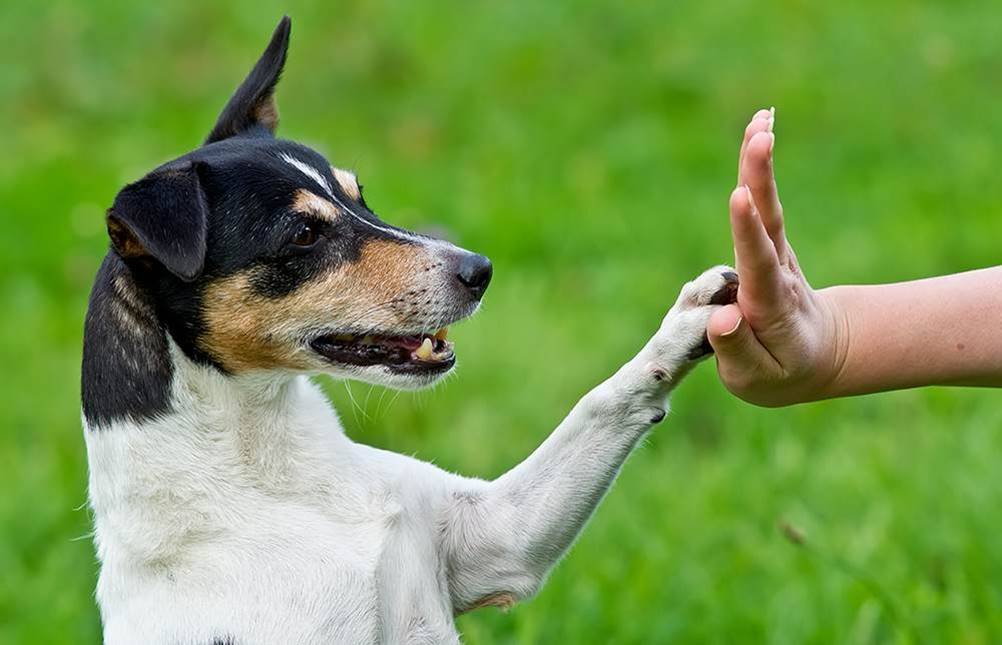
Conclusion
Your pet is usually not slow to learn.
More often, you are expecting finished results inside the wrong timeframe.
Learning in animals happens through repetition, consistency, trust, and gradual association.
What looks like slow progress is often normal progress unfolding on a biological timeline.
The key is to stop measuring success by perfection and start noticing smaller signs of growth.
Sometimes the behavior is already improving long before it looks perfect.
And once you understand that, training becomes far less frustrating and far more realistic.

David Bencivenga
Writer, advertising copywriter and SEO analyst, I am originally from New York and have been passionate about reading and writing since I was little. Books have always been my companions and favorite pastime, which led me to my profession. I hope you enjoy each of my texts and that they can help you in some way. Happy reading!
Related posts:
 Why Your Ferret Bites During Play (And Why Stopping It the Wrong Way Makes It Worse)
 The Power of Slow: Why Your Turtle’s Pace Is One of Its Healthiest Signs
 Slow on Purpose: Why Your Turtle’s Pace Is One of the Best Signs of Natural Health
 Your Cat Is Not Being Difficult — It’s Trying to Survive a World That Feels Wrong