At first, many bird owners describe the moment exactly the same way: everything seemed normal, the bird was perched calmly, maybe even accepting interaction, and then suddenly it bit. Because the action feels fast and unexpected, the immediate conclusion is usually that it happened without warning. Some people begin to think their bird is moody, unpredictable, or simply aggressive for no clear reason. The truth, however, is that in most cases the bite did not come out of nowhere at all. What actually happened is that the warning signs were present, but they were either too subtle to notice or misunderstood in the moment.
Birds are highly expressive animals, but they rarely communicate the way mammals do. Instead of giving obvious signals that humans naturally recognize, they often communicate through posture, eye changes, feather position, body tension, head angle, and environmental reactions. The problem is that many owners focus only on the bite itself and miss everything that happened in the seconds or minutes before it. By the time the bite happens, the bird has often already tried several quieter ways of saying that it is uncomfortable, overstimulated, territorial, or simply does not want to be touched at that moment.
This is why the biggest mindset shift is understanding that the bite is usually the final signal, not the first one.
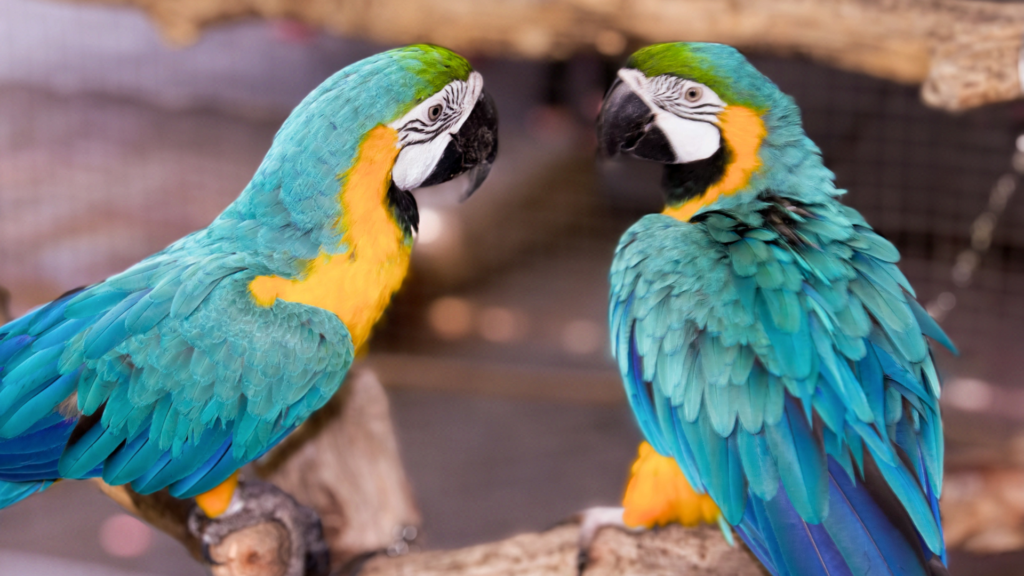
The Body Language That Happens Before the Bite
One of the most commonly missed signals is body tension. A bird that is about to bite often changes its posture before the action ever happens. The body may become slightly more rigid, the neck may extend or pull back, and the stance may shift from relaxed balance to a more alert and braced position. These changes can happen very quickly, which is why they are easy to miss if you are only focused on the hand approaching.
Feather position also plays a major role. Some birds slightly tighten their feathers against the body when they are becoming uncomfortable, while others may fluff in a way that looks cute but is actually a sign of internal arousal or overstimulation. The meaning can vary by species, which is why learning the specific body language of your bird matters so much.
Eye changes are another huge clue. Certain birds, especially parrots, may show eye pinning, where the pupils rapidly contract and expand. Many owners mistake this as excitement alone, but depending on the context, it can also indicate heightened arousal that may lead to a bite if the interaction continues.
Why the Environment Often Triggers the Bite
Sometimes the signal is not only in the bird’s body, but in the environment around it. Birds are extremely sensitive to sound, movement, routine disruption, and territory. A hand approaching too quickly, a loud noise in the room, another pet nearby, or a change in lighting can all increase stress before contact even happens.
Territory is another major trigger.
A bird sitting near its cage entrance, food area, nesting space, or favorite perch may be much more protective than it would be in a neutral setting. To the owner, the bite feels random because the interaction seems identical to another time. From the bird’s perspective, however, the location changed the meaning of the interaction completely.
This is why context matters just as much as body language.
Why Owners Often Miss the Escalation
One of the most common mistakes is assuming that because the bird did not vocalize, there was no warning. Birds often communicate discomfort long before making any sound. A slight lean away from the hand, a pause in movement, tightened grip on the perch, or subtle head repositioning may all be early signals.
These moments are often very brief.
Because the human mind tends to focus on the final action, the earlier signals disappear from memory once the bite happens.
This creates the illusion that it happened instantly.
In reality, the escalation often started earlier.
The Bigger Perspective Shift
The most important shift is understanding that a bite is usually communication, not random aggression. The bird is often responding to discomfort, overstimulation, territorial instinct, or a missed boundary.
Once you begin observing what happens before the bite instead of only reacting after it, the pattern becomes much easier to recognize.
The bite is rarely the beginning.
It is usually the final message after earlier ones were missed.
Conclusion
Your bird usually does not bite out of nowhere. In most cases, the warning signs were already there in body posture, feather position, eye changes, environmental triggers, or subtle movement cues.
The real issue is not unpredictability.
It is missed communication.
Once you start watching the seconds before the bite, what once felt random often becomes highly predictable.
Sometimes the bite is not the surprise.
Missing the signals is.

David Bencivenga
Writer, advertising copywriter and SEO analyst, I am originally from New York and have been passionate about reading and writing since I was little. Books have always been my companions and favorite pastime, which led me to my profession. I hope you enjoy each of my texts and that they can help you in some way. Happy reading!
Related posts:
 Why Your Dog Ignores You — The Hidden Reason Most Owners Never Notice
 Why Your Ferret Bites During Play (And Why Stopping It the Wrong Way Makes It Worse)
 Why Your Bird Chooses One Person (And Quietly Avoids Everyone Else)
 The Hidden Power of Routine: Why Feeding Time Matters More Than the Food Itself