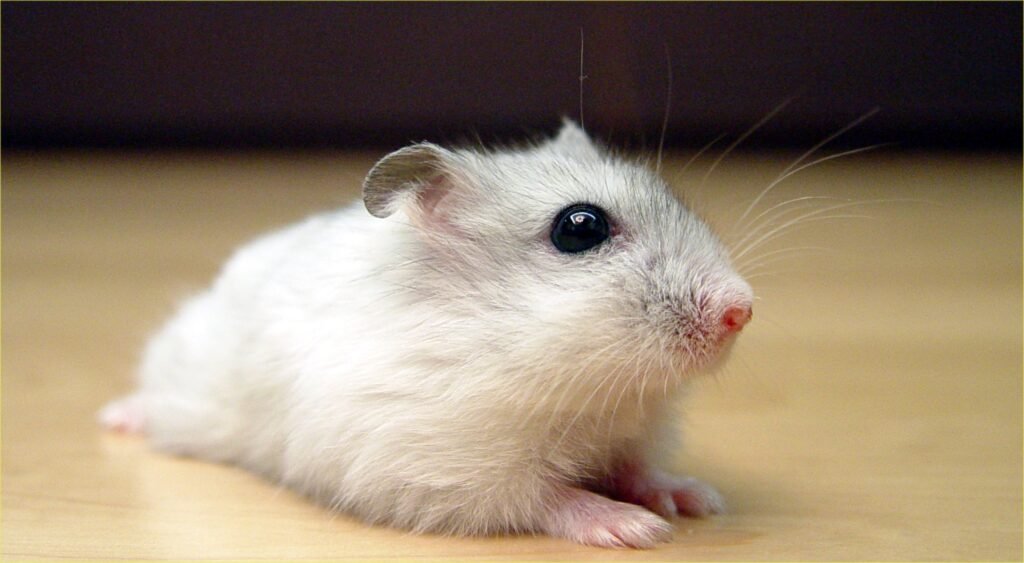
Many hamster owners feel confused and sometimes even a little hurt when their pet suddenly runs away the moment a hand enters the enclosure. One day they imagine gentle bonding, easy handling, and a small pet that calmly climbs into their palm, but the reality often looks very different. The hamster freezes, darts into a hideout, flattens its body, or avoids the hand completely. In some cases, it may even squeak, jump back, or attempt to nibble in self-defense.
To the human perspective, this can feel personal.
It is easy to assume the hamster dislikes you, does not trust you, or is simply “not friendly.”
But in reality, this reaction is usually not about you in the emotional way people often imagine.
The real issue is perspective.
What feels like a harmless hand to you can feel like something completely different to your hamster.
And once you start seeing the interaction from its point of view, the fear starts to make much more sense.
A hamster is a prey animal by nature. This single fact changes the entire way it interprets movement, shadows, sounds, and physical approach. While humans often approach interaction with affection and curiosity, hamsters approach the world with instinctive caution. Their survival system is built around detecting danger quickly and reacting fast enough to avoid it.
From your perspective, your hand is familiar, controlled, and safe.
From the hamster’s perspective, it can feel like a large unknown object suddenly entering its territory from above.
And in the natural world, movement from above often means danger.
This is one of the most important things owners fail to consider.
To a prey animal, a hand reaching downward can easily resemble the movement pattern of a predator.
Even if the hamster has seen you many times, instinct often reacts before trust does.
This is why the fear response can happen so quickly.
It is not a judgment.
It is survival.
What It Looks Like From the Hamster’s Perspective
This is where understanding perspective changes everything.
Imagine living in a world where almost everything around you is dramatically larger than your own body. Sounds are louder, movements appear faster, shadows feel more threatening, and anything entering your space has the potential to be dangerous.
Now imagine a giant shape moving from above, reaching directly toward you.
From a hamster’s perspective, this does not automatically read as affection.
It often reads as threat.
The hand may block light.
It may create a shadow.
It may move unpredictably.
It may carry unfamiliar scent from soap, lotion, food, or another animal.
All of these details matter.
Hamsters rely heavily on smell and environmental familiarity.
A hand that smells different from the day before may not immediately feel safe.
Even subtle changes in scent can affect trust.
This is why some owners feel confused when the hamster seems comfortable one day and fearful the next.
The hamster is often reacting to details the human barely notices.
Why Fear Is Often Misread as Rejection
One of the biggest mistakes owners make is interpreting fear as rejection.
They may think:
“My hamster doesn’t like me.”
But fear and dislike are not the same thing.
A hamster that avoids your hand is usually not rejecting you emotionally.
It is responding to uncertainty.
The enclosure is its territory.
Its safe zone.
Anything that enters that space gets evaluated first through instinct.
The animal is not making a social judgment.
It is asking one biological question:
Is this safe?
Until that answer consistently becomes yes, fear-based reactions are completely normal.
This is especially true with newly adopted hamsters.
Trust with small prey animals is rarely immediate.
It is built through repetition, scent familiarity, calm movement, and predictable interaction.
The Hidden Role of Timing and Sleep
Another major factor many owners overlook is timing.
Hamsters are naturally more active during the evening and nighttime.
Attempting interaction while the hamster is sleepy, groggy, or suddenly awakened can dramatically increase fear responses.
From the hamster’s perspective, being disturbed during rest can make the hand feel even more intrusive.
This is one of the most common reasons a normally calm hamster may suddenly seem afraid.
The issue is not necessarily the hand itself.
The issue is when and how the interaction happens.
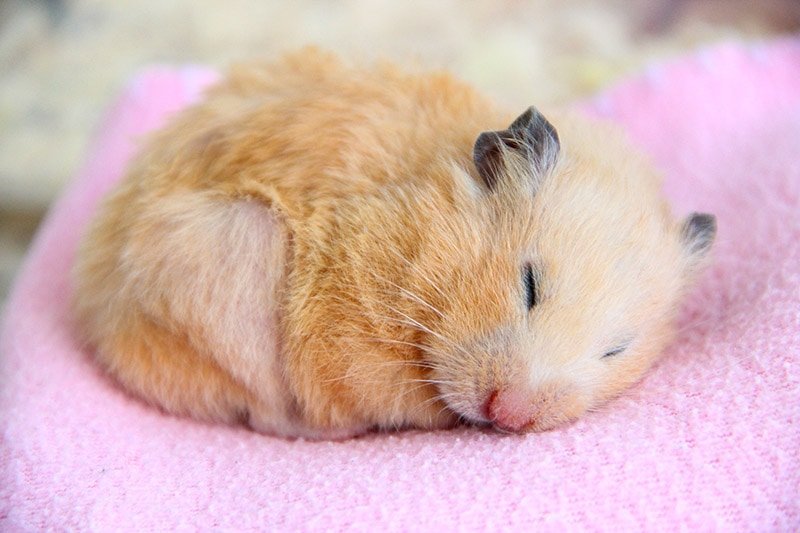
A sleepy hamster is often a more defensive hamster.
Why Fast Movement Makes It Worse
Speed matters far more than most people realize.
A fast-moving hand often triggers instinctive fear.
Because hamsters are prey animals, sudden motion immediately activates caution.
This is why slow, predictable movement is so important.
The slower the approach, the easier it becomes for the hamster to process the interaction as non-threatening.
Fast movement feels unpredictable.
Unpredictability feels unsafe.
Unsafe leads to fear.
This chain reaction happens very quickly.
The Bigger Perspective Shift
The most important shift is understanding that your hamster is not afraid of you as a person.
It is reacting to what the hand represents from its biological perspective.
Large.
Unknown.
Overhead.
Moving.
Potentially threatening.
Once you start viewing the situation through prey-animal instinct instead of human emotion, the behavior becomes much easier to understand.
The fear is not personal.
It is perspective-based.
Conclusion
If your hamster is afraid of your hand, it does not automatically mean it dislikes you.
More often, it means the interaction currently feels unsafe from its point of view.
As a prey animal, the hamster naturally interprets movement, shadows, scent, and timing through survival instincts.
What feels harmless to you can feel overwhelming to it.
Once you begin understanding what the hand looks like from the hamster’s perspective, the fear stops feeling confusing.
Sometimes trust does not begin with touching.
Sometimes it begins with learning how your pet sees the world.

David Bencivenga
Writer, advertising copywriter and SEO analyst, I am originally from New York and have been passionate about reading and writing since I was little. Books have always been my companions and favorite pastime, which led me to my profession. I hope you enjoy each of my texts and that they can help you in some way. Happy reading!