At first, many bird owners assume that as long as the cage is clean, the food bowl is full, and the bird has a perch or two, everything should be fine. From a human perspective, this setup can easily look complete. The bird is safe, sheltered, and physically cared for, so it becomes natural to believe that its emotional and behavioral needs are also being met. The problem is that birds, especially intelligent companion species such as parrots, cockatiels, conures, and similar birds, experience their environment in a way that goes far beyond physical safety.
What many people do not realize is that birds get bored much faster than they expect, and boredom in birds rarely stays invisible for long. Unlike animals that spend much of their day resting with lower mental stimulation needs, birds are naturally wired for constant environmental interaction. In the wild, their day is filled with movement, sound, scanning, foraging, social interaction, and decision-making. Every hour involves some form of mental engagement, whether it is finding food, responding to flock sounds, adjusting to environmental changes, or navigating physical space.
When this level of stimulation suddenly disappears in a domestic environment, the bird’s mind does not simply “settle down.”
Instead, the unused mental energy begins searching for an outlet.
This is where boredom quietly starts changing behavior.
At first, the signs are subtle. A bird may become more vocal than usual, spend longer periods repeating the same sound, or begin interacting obsessively with one specific part of the cage. Some owners interpret this as personality, noise, or random habit. In reality, these can be some of the first early signs that the bird is not receiving enough mental engagement.
Because birds are highly intelligent and deeply routine-sensitive, lack of stimulation often affects them more quickly than people expect. What makes this especially dangerous is that boredom rarely looks dramatic in the beginning. It often develops slowly, and because the bird remains physically healthy on the surface, the deeper behavioral shift can go unnoticed.
Why Birds Process the Environment Constantly
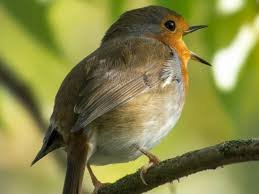
One of the biggest reasons birds become bored so quickly is because their brain is constantly processing input. Birds are highly alert animals that naturally pay attention to sound changes, movement patterns, visual cues, and social interaction. Even when they appear still, their attention is often active.
In the wild, this constant awareness serves survival and social bonding. They listen for flock communication, scan for environmental changes, and engage in complex decision-making throughout the day. When that natural level of input is dramatically reduced inside a repetitive environment, the brain still seeks stimulation.
This is where owners often underestimate the problem.
The bird may have toys.
The cage may be large.
The setup may look good.
But if the environment never changes, the mental stimulation value can still become extremely low.
To a highly intelligent bird, repetition without novelty often becomes mental stagnation.
How Boredom Quietly Changes Behavior
One of the most important things to understand is that boredom rarely announces itself directly. Instead, it often reshapes behavior over time. A bird that lacks stimulation may begin displaying repetitive actions such as pacing on the perch, climbing the same cage bars repeatedly, vocalizing excessively, or focusing on destructive behaviors.
This is often the moment owners say the bird is “acting strange.”
But the behavior is not random.
It is output.
The mind is looking for something to do.
Without healthy outlets, that mental energy often turns inward or repetitive.
In some cases, boredom can even contribute to more serious behaviors such as feather damaging, overpreening, or increased sensitivity to minor environmental triggers. These patterns do not always begin as severe issues. They often start with something much quieter: repetition and frustration.
This is why boredom can quietly break behavior.
It does not always explode.
Sometimes it slowly rewires the daily rhythm of the bird.
Why Owners Miss It Early
One of the biggest reasons boredom goes unnoticed is because people often evaluate care through physical standards. Food, water, cleanliness, and cage size all matter, but mental stimulation is often harder to visually measure.
A bird may look physically fine while mentally under-stimulated.
This disconnect is where many long-term issues begin.
Because the early changes are often subtle, owners may not connect excessive noise, irritability, clinginess, or repetitive movement back to boredom.
But for many birds, the environment itself becomes the core issue.
The Bigger Perspective Shift
The most important shift is understanding that birds do not just need safe environments.
They need dynamic environments.
Mental stimulation is not optional enrichment.
It is part of healthy behavioral regulation.
Without enough novelty, engagement, and social interaction, boredom often starts shaping the way the bird behaves, reacts, and communicates.
Conclusion
Birds get bored much faster than most owners realize because their minds are naturally built for constant environmental interaction.
When that stimulation disappears, the behavioral effects often begin quietly through repetition, excessive vocalization, frustration, and gradually changing habits.
Sometimes the issue is not personality.
Sometimes the environment has simply stopped feeding the mind.
And when the mind is underfed, behavior often becomes the first place the problem appears.

David Bencivenga
Writer, advertising copywriter and SEO analyst, I am originally from New York and have been passionate about reading and writing since I was little. Books have always been my companions and favorite pastime, which led me to my profession. I hope you enjoy each of my texts and that they can help you in some way. Happy reading!
Related posts:
 Why Your Dog Ignores You — The Hidden Reason Most Owners Never Notice
 The Hidden Damage of Humanizing Your Pet: Why Love Alone Isn’t the Same as Understanding
 Your Pet Is Watching You More Than You Realize — And It’s Learning From Every Pattern You Repeat
 Why Your Axolotl Barely Moves — And Why That’s Actually a Good Sign