
Why Your Hamster Is Afraid of Your Hand (And What It Looks Like From Its Perspective)
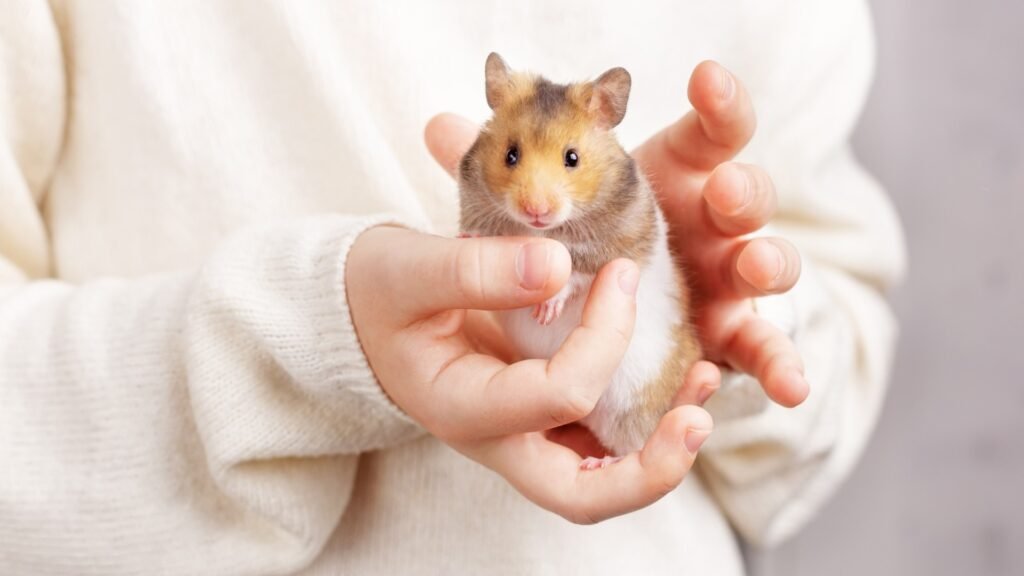
Introduction Many hamster owners go through the same experience. They try to pick up their pet…and it immediately runs away, freezes, or reacts defensively. At first, this feels confusing. You’re not hurting it.You’re trying to interact calmly. So the question appears: 👉 “Why is it scared of me?” But the hamster is not reacting to your intention. 👉 it is reacting to how the situation looks from above And from its perspective, the interaction is very different from what you think. Why This Matters Hamsters are prey animals. Their survival depends on detecting and avoiding threats quickly. They don’t analyze situations the way humans do. They respond to: And one of the strongest threat signals in nature is: 👉 something coming from above The “From Above” Problem In the wild, predators often attack from higher positions. Birds, for example, strike from above with speed and precision. Because of this, hamsters are highly sensitive to overhead movement. So when your hand enters the cage from above… 👉 it matches a natural threat pattern Even if you move slowly, the direction alone is enough to trigger caution. Why Your Intention Doesn’t Matter From your point of view: 👉 you are offering contact From the hamster’s point of view: 👉 something large is descending toward it It doesn’t evaluate your intention. It reacts to the pattern. A Practical Example You reach into the cage. Your hand moves downward. The hamster: This is not random behavior. It is a defensive sequence. If the approach continues, the hamster may: Not out of aggression. 👉 but out of protection Why Repetition Can Make It Worse If the hamster experiences this repeatedly without control, it may begin to associate: 👉 your hand = threat Even if no harm occurs, the pattern becomes established. This makes future interaction harder. The Importance of Angle Approach angle changes everything. A hand coming from: This small difference has a big impact. Step-by-Step Interaction Adjustment Step 1: Change Entry Direction Instead of reaching from above, bring your hand in at the hamster’s level. This reduces perceived danger. Step 2: Stay Still First Allow the hamster to approach you. Movement creates pressure. Stillness creates curiosity. Step 3: Let It Initiate Contact Do not grab immediately. Let the hamster: Step 4: Lift Gradually Once contact is accepted, lift slowly. Avoid sudden vertical movement. Common Misinterpretations “My hamster doesn’t like me” It is reacting to perceived threat, not preference. “It’s aggressive” Defensive reactions are not aggression. “It will never get used to me” With correct approach, adaptation is possible. Special Cases New or recently relocated hamsters are more sensitive. They may require: The Bigger Shift Interaction is not just about contact. It is about: 👉 how the contact is introduced Small changes in approach can completely alter the response. The Perspective Change Instead of asking: 👉 “Why is my hamster scared of me?” Ask: 👉 “How does my movement look from its point of view?” Because perception defines reaction. Conclusion Your hamster is not afraid of you as a person. It is responding to a movement pattern that signals danger. Once that pattern changes: Not because the hamster learned something new. 👉 but because the situation stopped feeling threatening And when the threat disappears… 👉 trust has space to grow.
Why Your Reptile Needs a Heat Spot (Not Just a Warm Tank)
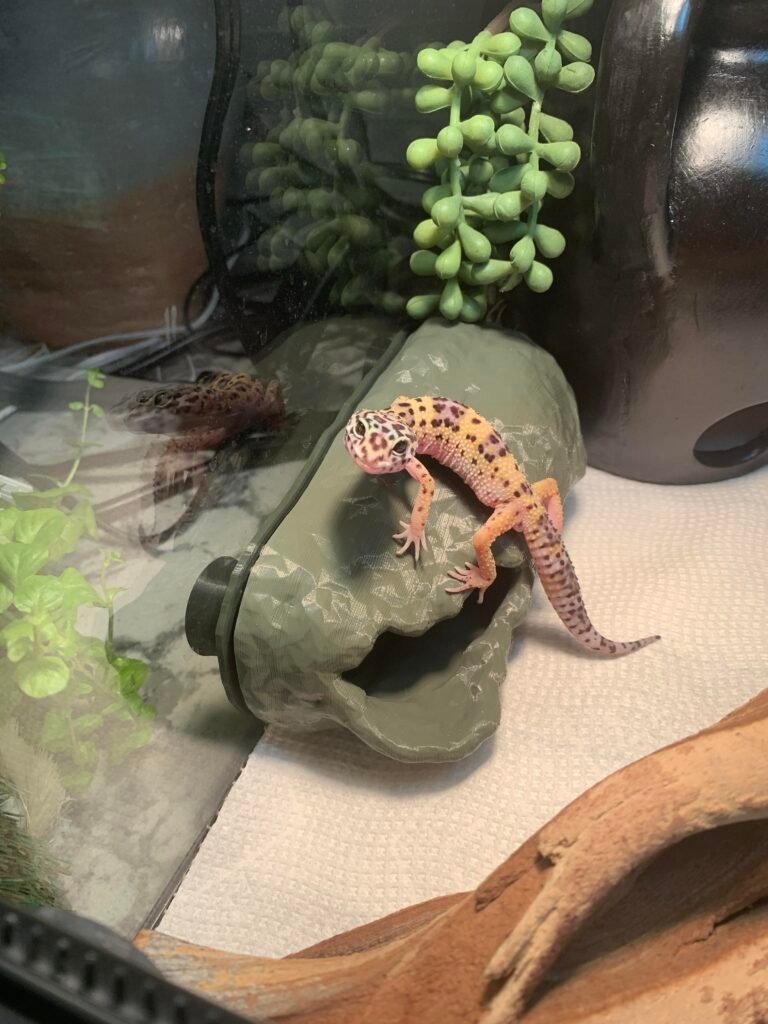
Introduction Many reptile owners believe that keeping the enclosure “warm” is enough. They check the temperature.Adjust the heating.Ensure the average feels correct. From a human perspective, this makes sense. If the space is warm, the animal should be comfortable. But reptiles don’t experience temperature as a uniform condition. 👉 they depend on gradients, not averages And without a proper heat spot — a specific, concentrated source of warmth — the entire system becomes inefficient. Why This Matters Reptiles cannot regulate body temperature internally like mammals. They rely on external heat to: But they don’t just need heat. 👉 they need the ability to choose heat That choice is what allows proper regulation. The Problem With Even Heating When the entire enclosure is evenly warm, something important is lost: 👉 variation Without variation, the reptile cannot: It becomes stuck in a middle zone. Not cold enough to rest properly. Not warm enough to function optimally. What a Heat Spot Actually Does A heat spot creates a localized area of higher temperature. This allows the reptile to: After that, it can move away and regulate. This movement between zones is essential. A Practical Example A lizard sits directly under a heat lamp. It remains there for a period. Then moves to a cooler area. From the outside, this looks like simple movement. But internally, the animal is: Without that heat source, this cycle cannot happen correctly. Why Average Temperature Is Misleading Measuring the overall temperature of the enclosure can give a false sense of security. The average may seem correct. But without a hotter zone: 👉 the reptile never reaches optimal activation It remains in a low-efficiency state. The Role of Positioning Not all heat sources are equal. Placement matters. The heat spot should be: This allows the reptile to use it consistently. Step-by-Step Thermal Setup Step 1: Create a Temperature Gradient Ensure one side is warmer and the other is cooler. This gives the reptile options. Step 2: Establish a Basking Zone Use a focused heat source to create a distinct hot spot. Step 3: Monitor Surface Temperature Air temperature is not enough. Surface heat is what the reptile absorbs. Step 4: Allow Free Movement Do not restrict access between zones. Movement is part of regulation. Common Misinterpretations “The tank is warm enough” Warmth alone does not replace a heat gradient. “My reptile doesn’t use the heat spot” It may be incorrectly placed or not intense enough. “It stays in one place too long” That may indicate imbalance in temperature distribution. Special Cases Different species require different temperature ranges. Understanding the specific needs of your reptile is essential. The Bigger Shift Reptile care is not about maintaining a single condition. It is about creating a system where the animal can: 👉 regulate itself The Perspective Change Instead of asking: 👉 “Is the enclosure warm enough?” Ask: 👉 “Can my reptile choose the temperature it needs?” Because choice is what enables proper function. Conclusion Your reptile does not need a uniformly warm space. It needs a structured thermal environment. A place to heat up.A place to cool down. When this system exists: Not because you added more heat. 👉 but because you added the right kind of heat And when the system allows regulation… 👉 the animal takes care of the rest.
Why Your Turtle Moves So Slowly (And Why That’s Exactly What Keeps It Healthy)
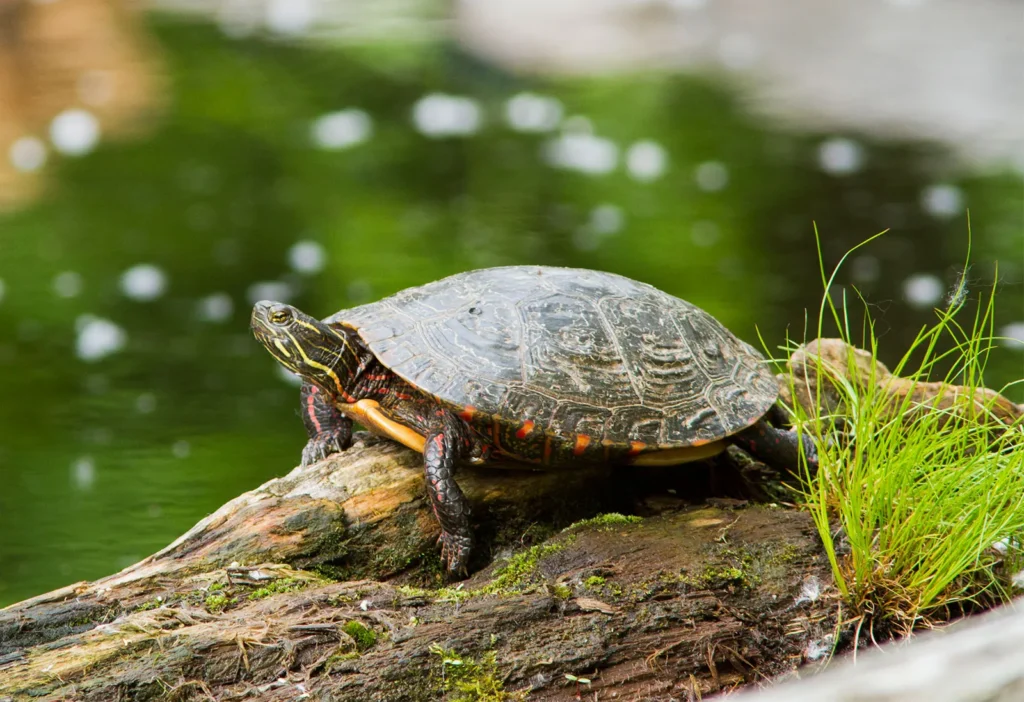
Introduction For many people, the first impression of a turtle is always the same: Slow. It walks slowly.Eats slowly.Reacts slowly. Compared to other pets, it almost feels like nothing is happening. This often creates a subtle discomfort for the owner. Questions start to appear: But these questions come from a human reference point. And that’s where the misunderstanding begins. Because a turtle is not slow by limitation. 👉 it is slow by design Why This Matters Speed, in human terms, is often associated with health, intelligence, and responsiveness. Faster reactions feel “better.” More movement feels “alive.” But turtles operate under a completely different biological strategy. Their entire system is built around: If you try to interpret their behavior using fast-paced expectations… 👉 everything will seem wrong Even when it’s perfectly normal. The Biological Strategy Behind Slowness Turtles are not designed for urgency. They are designed for: 👉 endurance Their metabolism is slower.Their reactions are measured.Their energy use is minimal. This allows them to: Slowness is not a flaw. 👉 it is a survival advantage Why Fast Movement Would Be a Problem If a turtle behaved like a dog or bird, it would actually be at risk. High activity requires: Turtles are not built for that. Their system works best when: 👉 everything happens gradually Including movement. A Practical Example A turtle takes several minutes to approach food. From a human perspective: 👉 hesitation From the turtle’s perspective: 👉 controlled action It is: Nothing is rushed. Because nothing needs to be. The Illusion of Inactivity When a turtle remains still, it is often assumed to be inactive. But stillness can represent: Even when movement is not visible… 👉 internal processes are active Temperature and Movement Like other reptiles, turtles depend on external temperature. Their activity level changes based on heat. If the environment is: This variation is natural. Not a problem. Why Owners Try to “Stimulate” More Because of the speed difference, many owners try to: But this often comes from discomfort with slowness. Not from the animal’s needs. And forcing activity can create: Step-by-Step Adjustment Step 1: Accept the Natural Pace Stop comparing with faster animals. A turtle’s rhythm is different. Step 2: Observe Consistency, Not Speed Health is reflected in: Step 3: Maintain Proper Conditions Ensure: These influence behavior more than stimulation. Step 4: Avoid Over-Intervention Minimal interference often leads to better outcomes. Turtles function best with stability. Common Misinterpretations “My turtle is too slow” That is its natural state. “It doesn’t react quickly” Speed is not its primary function. “It needs more stimulation” It needs proper conditions, not constant activity. Special Cases Sudden changes in behavior, such as: may indicate health issues. These should be observed separately from normal slowness. The Bigger Shift Understanding turtles requires a change in perspective. From: 👉 speed-based observation To: 👉 stability-based observation What matters is not how fast it moves… 👉 but how consistently it functions The Perspective Change Instead of asking: 👉 “Why is my turtle so slow?” Ask: 👉 “Is my turtle stable over time?” Because stability is the real indicator of health. Conclusion Your turtle is not slow in a problematic way. It is operating exactly as its biology intends. Every movement is measured.Every action is controlled.Every process is efficient. Once you stop expecting speed… 👉 behavior starts to make sense And what once felt like inactivity… 👉 becomes a sign of balance Not because the animal changed. 👉 but because you finally understood its pace.
Why Your Turtle Moves So Slowly (And Why That’s Exactly What Keeps It Healthy)
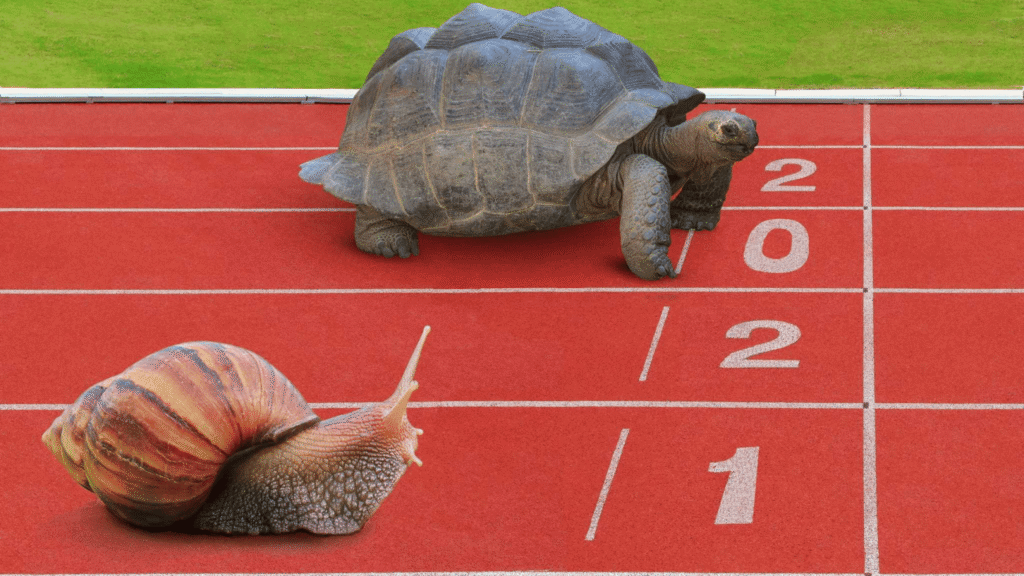
Introduction For many people, the first impression of a turtle is always the same: Slow. It walks slowly.Eats slowly.Reacts slowly. Compared to other pets, it almost feels like nothing is happening. This often creates a subtle discomfort for the owner. Questions start to appear: But these questions come from a human reference point. And that’s where the misunderstanding begins. Because a turtle is not slow by limitation. 👉 it is slow by design Why This Matters Speed, in human terms, is often associated with health, intelligence, and responsiveness. Faster reactions feel “better.” More movement feels “alive.” But turtles operate under a completely different biological strategy. Their entire system is built around: If you try to interpret their behavior using fast-paced expectations… 👉 everything will seem wrong Even when it’s perfectly normal. The Biological Strategy Behind Slowness Turtles are not designed for urgency. They are designed for: 👉 endurance Their metabolism is slower.Their reactions are measured.Their energy use is minimal. This allows them to: Slowness is not a flaw. 👉 it is a survival advantage Why Fast Movement Would Be a Problem If a turtle behaved like a dog or bird, it would actually be at risk. High activity requires: Turtles are not built for that. Their system works best when: 👉 everything happens gradually Including movement. A Practical Example A turtle takes several minutes to approach food. From a human perspective: 👉 hesitation From the turtle’s perspective: 👉 controlled action It is: Nothing is rushed. Because nothing needs to be. The Illusion of Inactivity When a turtle remains still, it is often assumed to be inactive. But stillness can represent: Even when movement is not visible… 👉 internal processes are active Temperature and Movement Like other reptiles, turtles depend on external temperature. Their activity level changes based on heat. If the environment is: This variation is natural. Not a problem. Why Owners Try to “Stimulate” More Because of the speed difference, many owners try to: But this often comes from discomfort with slowness. Not from the animal’s needs. And forcing activity can create: Step-by-Step Adjustment Step 1: Accept the Natural Pace Stop comparing with faster animals. A turtle’s rhythm is different. Step 2: Observe Consistency, Not Speed Health is reflected in: Step 3: Maintain Proper Conditions Ensure: These influence behavior more than stimulation. Step 4: Avoid Over-Intervention Minimal interference often leads to better outcomes. Turtles function best with stability. Common Misinterpretations “My turtle is too slow” That is its natural state. “It doesn’t react quickly” Speed is not its primary function. “It needs more stimulation” It needs proper conditions, not constant activity. Special Cases Sudden changes in behavior, such as: may indicate health issues. These should be observed separately from normal slowness. The Bigger Shift Understanding turtles requires a change in perspective. From: 👉 speed-based observation To: 👉 stability-based observation What matters is not how fast it moves… 👉 but how consistently it functions The Perspective Change Instead of asking: 👉 “Why is my turtle so slow?” Ask: 👉 “Is my turtle stable over time?” Because stability is the real indicator of health. Conclusion Your turtle is not slow in a problematic way. It is operating exactly as its biology intends. Every movement is measured.Every action is controlled.Every process is efficient. Once you stop expecting speed… 👉 behavior starts to make sense And what once felt like inactivity… 👉 becomes a sign of balance Not because the animal changed. 👉 but because you finally understood its pace.
Why Your Fish Tank Looks Clean but Still Causes Problems (And What You’re Not Seeing)
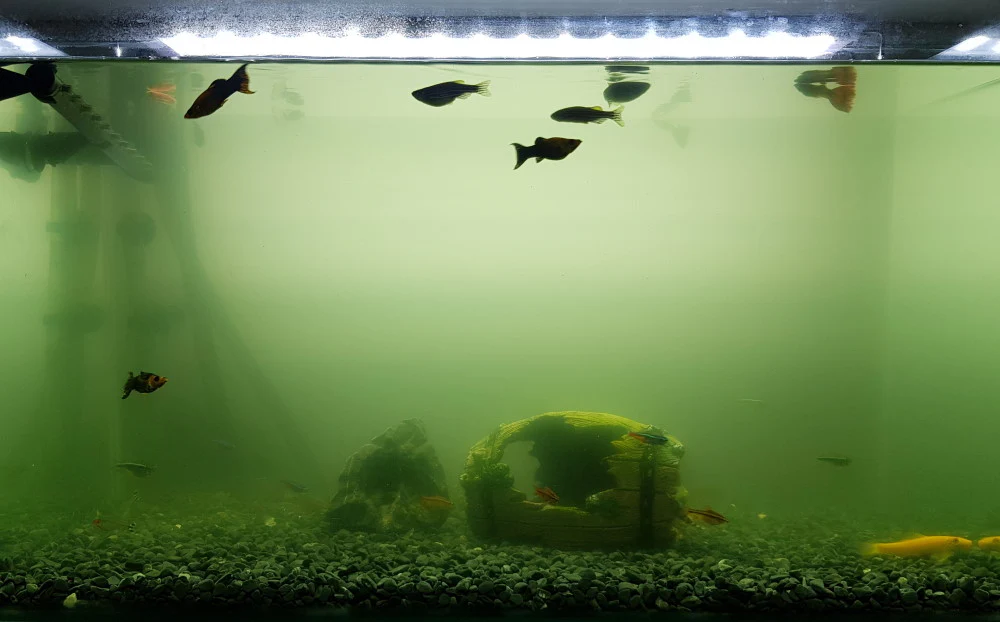
Introduction One of the most common assumptions in fish care is simple: “If the tank looks clean, everything is fine.” Clear water.No visible dirt.No strong odor. From a human perspective, this signals a healthy environment. But in aquariums, appearance can be misleading. Because what affects fish the most… 👉 is often invisible And many problems begin in tanks that look perfectly fine on the surface. Why This Matters Fish don’t respond to what you see. They respond to: These factors don’t change the color of the water immediately. So a tank can look clean… 👉 while becoming unstable internally The Difference Between Clean and Stable Cleanliness is visual. Stability is chemical. These are not the same thing. A tank can be: And that instability affects fish long before any visible sign appears. The Invisible System Inside the Tank Every aquarium operates as a small ecosystem. Within it, there are constant processes: These processes must stay balanced. If one part shifts… 👉 the entire system is affected The Role of Waste (That You Don’t See) Fish constantly produce waste. Food breaks down.Organic material accumulates. Even if you don’t see it, it exists. This waste releases compounds that: Why Over-Cleaning Can Make It Worse Many owners react by cleaning more. Changing water frequently.Washing everything.Resetting the tank. But this can remove beneficial bacteria. And those bacteria are essential for: 👉 maintaining balance Without them, the system becomes unstable again — sometimes worse than before. A Practical Example A tank looks clean. The owner performs a deep clean. For a short time, everything seems fine. Then fish begin to: The issue is not dirt. 👉 it’s imbalance The Concept of Stability Over Perfection Fish don’t need a perfect environment. They need a consistent one. Small variations are acceptable. Sudden changes are not. Stability allows the system to regulate itself. Step-by-Step Balance Approach Step 1: Reduce Sudden Changes Avoid large, frequent interventions. Gradual adjustments are safer. Step 2: Support Biological Balance Do not remove all bacterial presence. Filters and surfaces play a role. Step 3: Monitor Patterns, Not Appearance Instead of looking only at clarity, observe: These reveal more than water color. Step 4: Feed Carefully Excess food increases waste load. Balance input with system capacity. Common Misinterpretations “The water looks perfect” Visual clarity does not guarantee stability. “Cleaning fixes everything” Cleaning can disrupt internal balance. “Fish suddenly got sick” The process often started earlier, invisibly. Special Cases New tanks are especially unstable. They require time to develop internal balance. Rushing this process increases risk. The Bigger Shift Most people manage aquariums based on appearance. But fish experience the environment differently. They respond to: 👉 what you can’t see The Perspective Change Instead of asking: 👉 “Does the tank look clean?” Ask: 👉 “Is the system stable over time?” Because stability is what keeps fish healthy. Conclusion A clear tank is not always a healthy tank. What matters most happens below the surface. Chemical balance.Biological processes.Consistency over time. Once you focus on stability instead of appearance… 👉 the environment becomes predictable And when the environment is predictable… 👉 the fish thrive naturally Not because it looks perfect. 👉 but because it functions correctly.
Why Your Bird Bites “Out of Nowhere” (And the Signals You’re Missing Before It Happens)
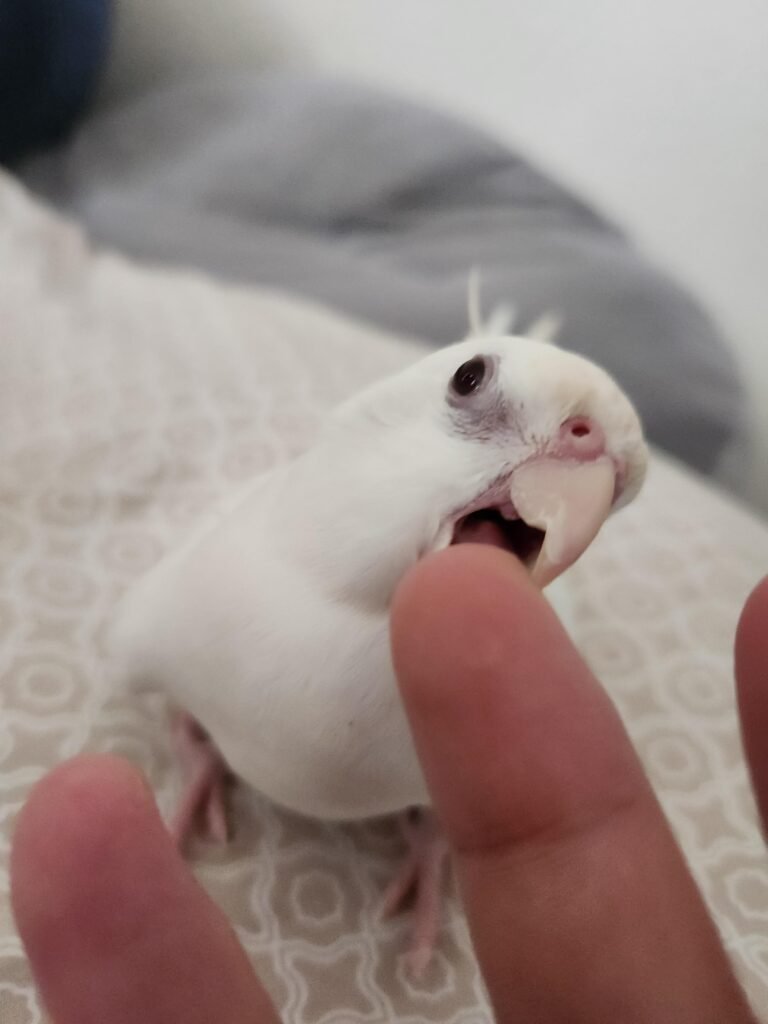
Introduction Few things feel as sudden as a bird bite. One moment everything seems normal.The next, the bird lunges or clamps down unexpectedly. To most owners, it feels unpredictable. There was no warning.No clear trigger.No obvious reason. So the conclusion becomes simple: 👉 “It bit for no reason.” But that conclusion only exists because the signals were too subtle to notice. Because birds rarely bite without warning. 👉 they just communicate in ways most people don’t recognize Why This Matters When a bite feels sudden, the reaction is usually reactive. Owners may: None of these solve the issue. Because the bite is not the beginning of the behavior. 👉 it’s the final step Everything that leads to it happens before — in smaller, quieter signals. The Build-Up Most People Don’t See Before a bite, birds often show changes that are easy to miss. Not dramatic ones. Small shifts. For example: These are not obvious warnings. But they are consistent indicators of discomfort. Why These Signals Are Ignored There are three main reasons. 1. They Happen Quickly The transition from calm to defensive can be fast. If you’re not already observing closely, you miss the shift. 2. They Look Neutral Unlike dogs, birds don’t always show large, expressive cues. Their signals are minimal. 3. Human Focus Is Elsewhere Most people focus on: Not on the bird’s response in real time. A Practical Example You reach toward your bird. From your perspective: 👉 normal interaction From the bird’s perspective: The bird first: If those signals are ignored… 👉 escalation continues Until the bite happens. Why Biting Works for the Bird Biting is not random. It is effective. It: From the bird’s point of view: 👉 it solves the problem So it becomes a reliable response when earlier signals are not respected. Step-by-Step Prevention Step 1: Observe Before Acting Before initiating contact, watch: This gives context. Step 2: Pause at the First Change If you notice even a small shift: 👉 stop advancing Give the bird space to reset. Step 3: Adjust Your Approach Instead of reaching directly: Step 4: Respect Withdrawal If the bird moves away: 👉 do not follow immediately This prevents escalation. Common Misinterpretations “It attacked suddenly” It responded after earlier signals were ignored. “It’s aggressive” Aggression is often a last resort, not a default state. “It bites randomly” The pattern exists — it’s just subtle. Special Cases Birds with limited positive interaction history may: In these cases, extra caution is needed. The Bigger Shift Most people focus on stopping the bite. But the real change comes from: 👉 recognizing the moment before the bite That moment is where behavior can still be redirected. The Perspective Change Instead of asking: 👉 “Why did it bite?” Ask: 👉 “What changed just before it bit?” Because the answer is always there. Conclusion Your bird is not reacting without reason. It is communicating in stages. When early signals are missed, the final signal becomes stronger. That final signal is the bite. Once you learn to read the smaller changes that come before… 👉 the bite becomes avoidable Not through control. 👉 but through awareness And when awareness improves… 👉 conflict disappears before it begins.
Why Birds Get Bored Faster Than You Think (And How It Quietly Breaks Their Behavior)
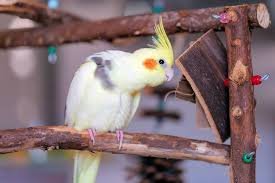
Introduction At first glance, many birds seem fine being still. They perch.They look around.They remain in the same place for long periods. To a human observer, this appears calm. Even peaceful. But this impression is misleading. Because inactivity in birds does not always mean comfort. 👉 it often means lack of stimulation And when stimulation is missing, the effects don’t appear immediately — they build slowly, until behavior begins to shift in ways that feel unexpected. Why This Matters Unlike many other pets, birds are highly cognitive animals. They are designed to: In natural conditions, their day is not passive. It is filled with variation. When that variation disappears, something important is lost: 👉 mental engagement And without engagement, the system starts to degrade. The Invisible Side of Boredom Boredom in birds is not always obvious. It doesn’t always look like agitation. Sometimes, it looks like: A bird may appear “quiet”… but internally, it is under-stimulated. What Happens When the Mind Has Nothing to Process When a bird lacks mental input, it doesn’t simply rest. It begins to: These patterns can become: 👉 repetitive behaviors Not because the bird chooses them… 👉 but because it has nothing else to process A Practical Example A bird with limited stimulation may begin to: These are not random. They are: 👉 self-generated activity The brain is trying to create engagement where none exists. Why Toys Alone Are Not Enough Many owners try to solve this by adding toys. But the presence of objects is not the same as stimulation. If a toy: it quickly loses value. Birds need: 👉 dynamic interaction Not static objects. The Role of Variation What keeps a bird engaged is not quantity. It is change. Small variations in: create new information for the brain to process. Without variation, even a rich environment becomes predictable. And predictability leads to disengagement. Step-by-Step Cognitive Enrichment Step 1: Rotate Instead of Adding Instead of increasing the number of items, change what is available. Rotation creates novelty. Step 2: Introduce Simple Challenges Food hidden in different ways.Objects that require manipulation. These create problem-solving opportunities. Step 3: Change Interaction Patterns Interaction should not always follow the same sequence. Unpredictable (but safe) variation increases engagement. Step 4: Use Space Creatively Reposition elements within the environment. Even small spatial changes can renew interest. Common Misinterpretations “My bird is calm all day” It may be disengaged, not relaxed. “It doesn’t play with toys” The toys may not provide meaningful interaction. “It only reacts at certain times” Stimulation may be too limited to sustain attention. Special Cases Highly intelligent species tend to show signs of boredom faster. They require: Without that, behavioral changes appear sooner. The Deeper Perspective Boredom is not just a lack of activity. It is a lack of: 👉 meaningful input When the brain has nothing to process, it creates its own patterns. And those patterns are not always healthy. Conclusion Your bird may not be tired. It may not be calm. It may simply have nothing to engage with. And over time, that absence of stimulation reshapes behavior in subtle but persistent ways. By introducing variation, challenge, and interaction… 👉 you restore mental activity And when the mind becomes active again… 👉 behavior begins to normalize Not through correction. 👉 but through engagement.
Why Your Bird Chooses One Person (And Quietly Avoids Everyone Else)
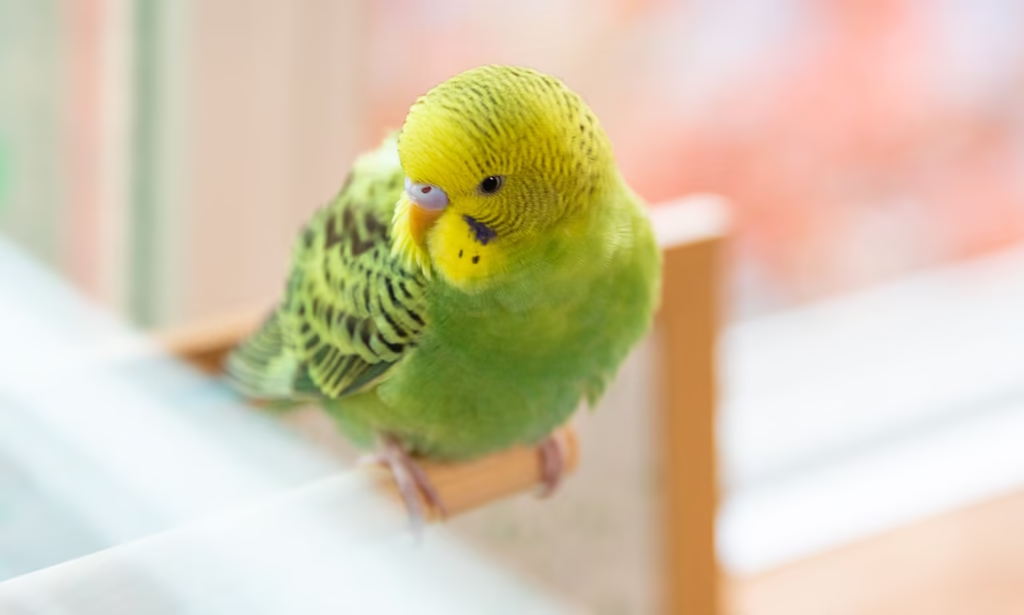
Introduction In many homes, the pattern becomes obvious over time. A bird will consistently move toward one specific person. It relaxes near them.Responds faster.Allows closer interaction. But with others, the same bird may hesitate, retreat, or remain distant. To most owners, this feels personal. It raises questions like: The answer is not about favoritism in a human sense. 👉 it’s about exposure, predictability, and perceived safety Why This Happens Birds do not build connections randomly. They select based on repeated experience. Not who feeds them more.Not who tries harder. But who feels: 👉 easiest to predict Predictability reduces tension. And for birds, reducing tension is a priority. The Role of First Impressions Initial interactions matter more than most people realize. If early contact includes: The bird creates an internal reference: 👉 “this interaction is unstable” Even if nothing harmful happens, the impression remains. Why One Person Becomes the “Safe Point” The chosen person usually shares specific traits: These factors create a stable interaction pattern. Over time, the bird stops evaluating that person as a variable. 👉 they become a constant Avoidance Is Not Rejection When a bird avoids someone, it is not expressing dislike. It is reducing uncertainty. If a person behaves in a way that is: The bird increases distance. Not emotionally. 👉 functionally A Subtle but Important Detail Trying harder often makes the situation worse. Approaching more frequently.Speaking more.Offering more interaction. From a human perspective, this shows effort. From the bird’s perspective: 👉 it increases pressure And pressure slows trust. A Practical Observation Two people enter a room. One walks in calmly, sits down, and does nothing. The other approaches the bird, speaks, and reaches out. The bird will almost always move toward the first person. Not because of preference. 👉 but because of lower demand Step-by-Step Adjustment Step 1: Reduce Direct Approach Instead of moving toward the bird, stay present without initiating contact. Let the bird control distance. Step 2: Stabilize Movement Patterns Avoid: Consistency builds recognition. Step 3: Limit Interaction Frequency Less frequent, stable interaction is more effective than constant engagement. Step 4: Allow Observation Time Birds learn by watching. Being in the same space without pressure allows familiarity to develop. Common Misinterpretations “It doesn’t like me” It doesn’t yet understand your pattern. “It prefers the other person” It trusts the predictability of that person. “I need to interact more” More interaction can create more resistance. Special Cases Birds that: may take longer to adjust. In these cases, distance and patience are even more important. The Real Shift The key is not to gain attention. It is to: 👉 reduce uncertainty When uncertainty decreases, proximity increases naturally. Conclusion Your bird is not choosing a person based on emotion. It is selecting the interaction that feels most stable. Once your presence becomes: the distance begins to close. Not because you forced connection. 👉 but because you removed the need for caution And when caution fades… 👉 trust takes its place.
Why Your Sugar Glider Cries at Night (And Why Silence Is Not the Goal)
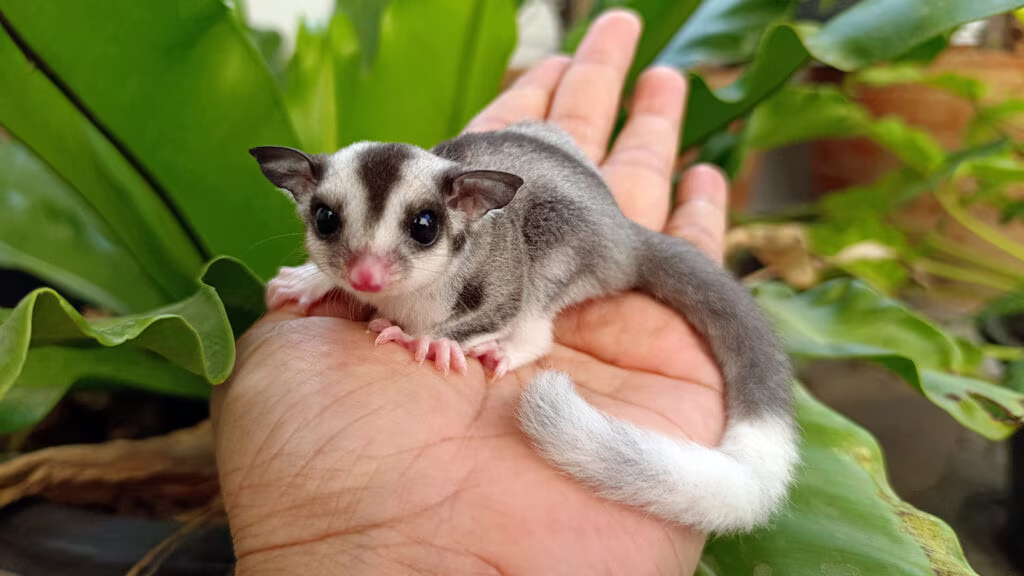
Introduction For many sugar glider owners, the first nights can be surprising. The animal wakes up.The house is quiet.And suddenly… 👉 it starts making loud, repetitive sounds Not subtle noises. Clear vocal calls that echo in the silence. At first, it feels like something is wrong. The instinct is to stop the sound. To quiet the animal. But that approach misses something fundamental. Because these vocalizations are not random. 👉 they are attempts at connection Why This Matters Sugar gliders are not solitary animals. They are structured around: In natural conditions, they are rarely alone. Even at rest, they remain in close proximity to others. So when a sugar glider is isolated… 👉 the absence is not neutral It is felt continuously. The Role of Night Activity Sugar gliders are nocturnal. Night is when they: This is when their social system becomes most active. So when night comes and there is no response from others… 👉 they call What the Sound Actually Means The vocalization is not just noise. It is a signal. A way to: In the wild, this sound would be answered. That response maintains group connection. A Practical Example A sugar glider wakes up alone. It becomes active. There are no other gliders nearby. No response to movement.No shared activity. So it vocalizes. From your perspective: 👉 disturbance From its perspective: 👉 communication attempt Why Silence Is Not the Solution Many owners try to: But silence does not address the cause. Because the issue is not the sound. 👉 it is the absence of interaction The Difference Between Noise and Signal If you treat the sound as noise, you try to eliminate it. If you treat it as a signal, you try to understand it. That shift changes the entire approach. The Role of Social Structure A single sugar glider lacks: Human contact, even frequent, is: 👉 intermittent It does not replace group dynamics. Step-by-Step Adjustment Step 1: Recognize the Timing Night activity is natural. The behavior aligns with the animal’s cycle. Step 2: Evaluate Social Needs Consider whether the glider has: Step 3: Increase Meaningful Interaction Not just presence, but: Step 4: Consider Pairing In many cases, adding another glider changes everything. The need for vocal calling decreases naturally. Common Misinterpretations “It’s just noisy” It is communicating. “It needs to get used to being quiet” Silence is not its natural state. “Ignoring will fix it” Ignoring removes response, not the need. Special Cases Some gliders vocalize more due to: These require more structured adjustment. The Bigger Shift The goal is not silence. It is: 👉 connection When connection is present, the need for calling decreases. The Perspective Change Instead of asking: 👉 “How do I stop the noise?” Ask: 👉 “What is my sugar glider trying to reach?” Because the sound is a direction. Conclusion Your sugar glider is not crying without reason. It is reaching out into an empty space. Looking for response. Looking for presence. Once that presence exists: Not because you silenced the animal. 👉 but because you answered it And when the call is answered… 👉 the need to call fades naturally.
Why Your Pet’s Routine Matters More Than You Think

Why Your Pet’s Routine Matters More Than You Think requires understanding behavior, consistency, and environment. Many pet owners make mistakes by reacting instead of observing. Animals communicate through patterns, not words, and recognizing those patterns is essential. Each pet responds differently, so adapting your approach is key. A calm environment, gradual changes, and positive reinforcement make the biggest difference. Avoid forcing behaviors and instead guide your pet naturally. Over time, repetition builds habits, and habits shape behavior. Challenges are normal, especially in the beginning. Some animals take longer to adapt due to personality or past experiences. Patience is always more effective than force. When done correctly, this process improves not only behavior but also trust between you and your pet. Why Your Pet’s Routine Matters More Than You Think requires understanding behavior, consistency, and environment. Many pet owners make mistakes by reacting instead of observing. Animals communicate through patterns, not words, and recognizing those patterns is essential. Each pet responds differently, so adapting your approach is key. A calm environment, gradual changes, and positive reinforcement make the biggest difference. Avoid forcing behaviors and instead guide your pet naturally. Over time, repetition builds habits, and habits shape behavior. Challenges are normal, especially in the beginning. Some animals take longer to adapt due to personality or past experiences. Patience is always more effective than force. When done correctly, this process improves not only behavior but also trust between you and your pet. Why Your Pet’s Routine Matters More Than You Think requires understanding behavior, consistency, and environment. Many pet owners make mistakes by reacting instead of observing. Animals communicate through patterns, not words, and recognizing those patterns is essential. Each pet responds differently, so adapting your approach is key. A calm environment, gradual changes, and positive reinforcement make the biggest difference. Avoid forcing behaviors and instead guide your pet naturally. Over time, repetition builds habits, and habits shape behavior. Challenges are normal, especially in the beginning. Some animals take longer to adapt due to personality or past experiences. Patience is always more effective than force. When done correctly, this process improves not only behavior but also trust between you and your pet. Why Your Pet’s Routine Matters More Than You Think requires understanding behavior, consistency, and environment. Many pet owners make mistakes by reacting instead of observing. Animals communicate through patterns, not words, and recognizing those patterns is essential. Each pet responds differently, so adapting your approach is key. A calm environment, gradual changes, and positive reinforcement make the biggest difference. Avoid forcing behaviors and instead guide your pet naturally. Over time, repetition builds habits, and habits shape behavior. Challenges are normal, especially in the beginning. Some animals take longer to adapt due to personality or past experiences. Patience is always more effective than force. When done correctly, this process improves not only behavior but also trust between you and your pet. Why Your Pet’s Routine Matters More Than You Think requires understanding behavior, consistency, and environment. Many pet owners make mistakes by reacting instead of observing. Animals communicate through patterns, not words, and recognizing those patterns is essential. Each pet responds differently, so adapting your approach is key. A calm environment, gradual changes, and positive reinforcement make the biggest difference. Avoid forcing behaviors and instead guide your pet naturally. Over time, repetition builds habits, and habits shape behavior. Challenges are normal, especially in the beginning. Some animals take longer to adapt due to personality or past experiences. Patience is always more effective than force. When done correctly, this process improves not only behavior but also trust between you and your pet. Why Your Pet’s Routine Matters More Than You Think requires understanding behavior, consistency, and environment. Many pet owners make mistakes by reacting instead of observing. Animals communicate through patterns, not words, and recognizing those patterns is essential. Each pet responds differently, so adapting your approach is key. A calm environment, gradual changes, and positive reinforcement make the biggest difference. Avoid forcing behaviors and instead guide your pet naturally. Over time, repetition builds habits, and habits shape behavior. Challenges are normal, especially in the beginning. Some animals take longer to adapt due to personality or past experiences. Patience is always more effective than force. When done correctly, this process improves not only behavior but also trust between you and your pet. Why Your Pet’s Routine Matters More Than You Think requires understanding behavior, consistency, and environment. Many pet owners make mistakes by reacting instead of observing. Animals communicate through patterns, not words, and recognizing those patterns is essential. Each pet responds differently, so adapting your approach is key. A calm environment, gradual changes, and positive reinforcement make the biggest difference. Avoid forcing behaviors and instead guide your pet naturally. Over time, repetition builds habits, and habits shape behavior. Challenges are normal, especially in the beginning. Some animals take longer to adapt due to personality or past experiences. Patience is always more effective than force. When done correctly, this process improves not only behavior but also trust between you and your pet. Why Your Pet’s Routine Matters More Than You Think requires understanding behavior, consistency, and environment. Many pet owners make mistakes by reacting instead of observing. Animals communicate through patterns, not words, and recognizing those patterns is essential. Each pet responds differently, so adapting your approach is key. A calm environment, gradual changes, and positive reinforcement make the biggest difference. Avoid forcing behaviors and instead guide your pet naturally. Over time, repetition builds habits, and habits shape behavior. Challenges are normal, especially in the beginning. Some animals take longer to adapt due to personality or past experiences. Patience is always more effective than force. When done correctly, this process improves not only behavior but also trust between you and your pet. Why Your Pet’s Routine Matters More Than You Think requires understanding behavior, consistency, and environment. Many pet owners make mistakes by reacting instead of observing. Animals communicate through patterns, not words, and recognizing those patterns is essential. Each pet