
Why Your Sugar Glider Cries at Night (And Why Silence Is Not the Goal)
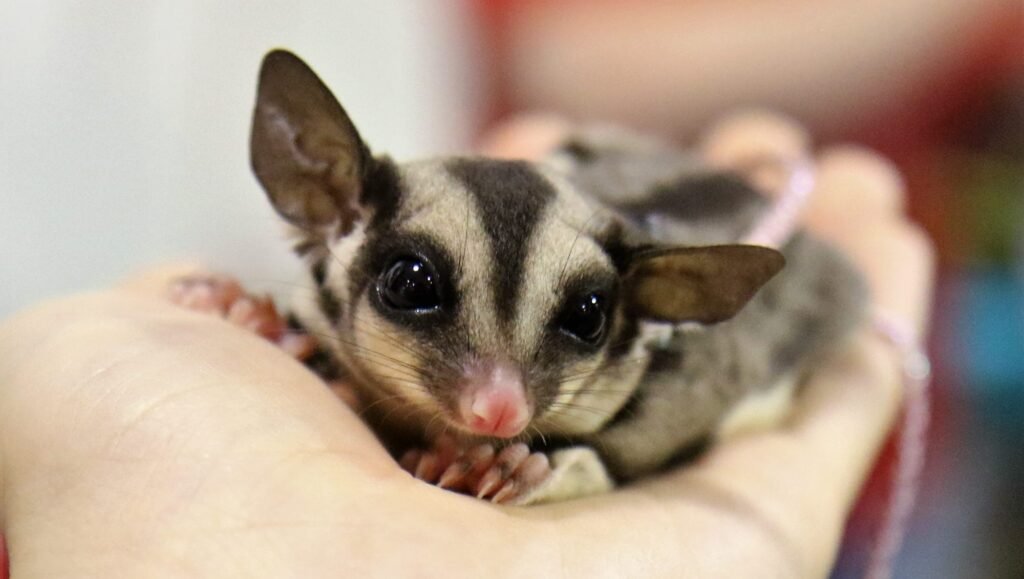
Introduction For many sugar glider owners, the first nights can be surprising. The animal wakes up.The house is quiet.And suddenly… 👉 it starts making loud, repetitive sounds Not subtle noises. Clear vocal calls that echo in the silence. At first, it feels like something is wrong. The instinct is to stop the sound. To quiet the animal. But that approach misses something fundamental. Because these vocalizations are not random. 👉 they are attempts at connection Why This Matters Sugar gliders are not solitary animals. They are structured around: In natural conditions, they are rarely alone. Even at rest, they remain in close proximity to others. So when a sugar glider is isolated… 👉 the absence is not neutral It is felt continuously. The Role of Night Activity Sugar gliders are nocturnal. Night is when they: This is when their social system becomes most active. So when night comes and there is no response from others… 👉 they call What the Sound Actually Means The vocalization is not just noise. It is a signal. A way to: In the wild, this sound would be answered. That response maintains group connection. A Practical Example A sugar glider wakes up alone. It becomes active. There are no other gliders nearby. No response to movement.No shared activity. So it vocalizes. From your perspective: 👉 disturbance From its perspective: 👉 communication attempt Why Silence Is Not the Solution Many owners try to: But silence does not address the cause. Because the issue is not the sound. 👉 it is the absence of interaction The Difference Between Noise and Signal If you treat the sound as noise, you try to eliminate it. If you treat it as a signal, you try to understand it. That shift changes the entire approach. The Role of Social Structure A single sugar glider lacks: Human contact, even frequent, is: 👉 intermittent It does not replace group dynamics. Step-by-Step Adjustment Step 1: Recognize the Timing Night activity is natural. The behavior aligns with the animal’s cycle. Step 2: Evaluate Social Needs Consider whether the glider has: Step 3: Increase Meaningful Interaction Not just presence, but: Step 4: Consider Pairing In many cases, adding another glider changes everything. The need for vocal calling decreases naturally. Common Misinterpretations “It’s just noisy” It is communicating. “It needs to get used to being quiet” Silence is not its natural state. “Ignoring will fix it” Ignoring removes response, not the need. Special Cases Some gliders vocalize more due to: These require more structured adjustment. The Bigger Shift The goal is not silence. It is: 👉 connection When connection is present, the need for calling decreases. The Perspective Change Instead of asking: 👉 “How do I stop the noise?” Ask: 👉 “What is my sugar glider trying to reach?” Because the sound is a direction. Conclusion Your sugar glider is not crying without reason. It is reaching out into an empty space. Looking for response. Looking for presence. Once that presence exists: Not because you silenced the animal. 👉 but because you answered it And when the call is answered… 👉 the need to call fades naturally.
Why Your Hedgehog Turns Into a Ball (And Why That Means “Stop,” Not “Safe”)
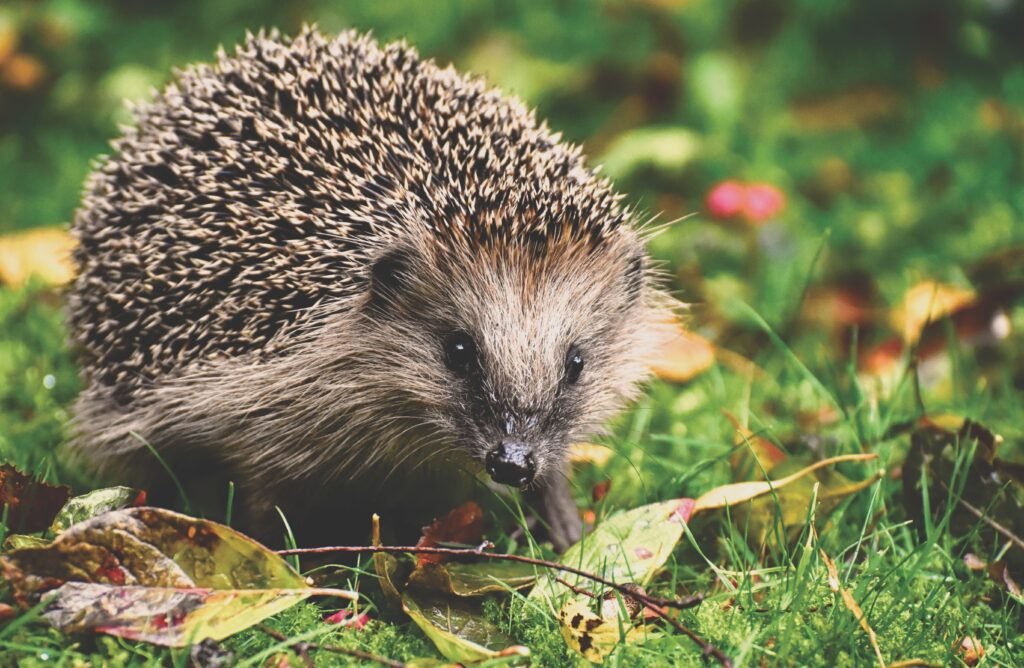
Introduction Few behaviors look as iconic as this. You approach your hedgehog…and instantly, it curls into a tight ball. Spines out.Face hidden.Completely closed off. To many owners, this moment feels harmless. Even cute. Some interpret it as: But this interpretation misses something important. Because when a hedgehog curls into a ball… 👉 it is not relaxing 👉 it is actively defending itself Why This Matters Understanding this behavior changes how you interact with your pet. If you assume the animal is calm, you might: But from the hedgehog’s perspective: 👉 the threat is still present And the defensive response remains active. The Defense Mechanism Explained Hedgehogs rely on a very specific strategy. They don’t run fast.They don’t attack directly. Instead, they: 👉 become unreachable By curling into a ball, they: This is a complete shutdown of interaction. Why It Happens So Fast The response is immediate. There is no hesitation. That’s because this behavior is: 👉 instinctive It doesn’t require thinking. The moment something feels uncertain, the body reacts. A Practical Example You pick up your hedgehog. Within seconds, it curls up. From your perspective: 👉 expected reaction But if you continue holding it without change… the animal remains closed. Not because it is comfortable. 👉 but because the condition hasn’t changed The Mistake Most Owners Make Trying to “wait it out” without adjusting anything. Or worse: trying to force it to open. This creates a loop: The Role of Familiarity A hedgehog doesn’t relax because time passes. It relaxes when: 👉 the situation feels predictable This includes: Without that, the defensive response repeats. How Relaxation Actually Happens When a hedgehog feels safe, it doesn’t “uncurl suddenly.” It gradually: These are voluntary actions. Not forced ones. Step-by-Step Interaction Adjustment Step 1: Reduce Immediate Pressure After picking it up, remain still. Let the animal process the situation. Step 2: Avoid Forcing Movement Do not try to open the hedgehog manually. That increases resistance. Step 3: Keep Handling Consistent Use the same approach each time. Predictability builds familiarity. Step 4: Allow Exploration Once it begins to move, let it explore freely. Common Misinterpretations “It’s just shy” It is actively defending itself. “It will get used to it if I insist” Pressure slows adaptation. “It likes being held like that” Stillness does not equal comfort. Special Cases New hedgehogs or those with limited interaction history may: The Bigger Shift This behavior is not a phase. It is a response to conditions. To change it, you don’t force the animal. 👉 you change the conditions The Perspective Change Instead of asking: 👉 “How do I make it open?” Ask: 👉 “What needs to change so it feels safe enough to open?” Because safety comes before interaction. Conclusion When your hedgehog curls into a ball, it is not being passive. It is using its most effective defense. Recognizing this changes everything. Once the environment becomes: The defensive response becomes less frequent. Not because the animal stopped protecting itself. 👉 but because it no longer needed to And when that happens… 👉 interaction becomes natural, not forced.
Why Your Chinchilla Needs Dust Baths (And Why Water Makes Things Worse)
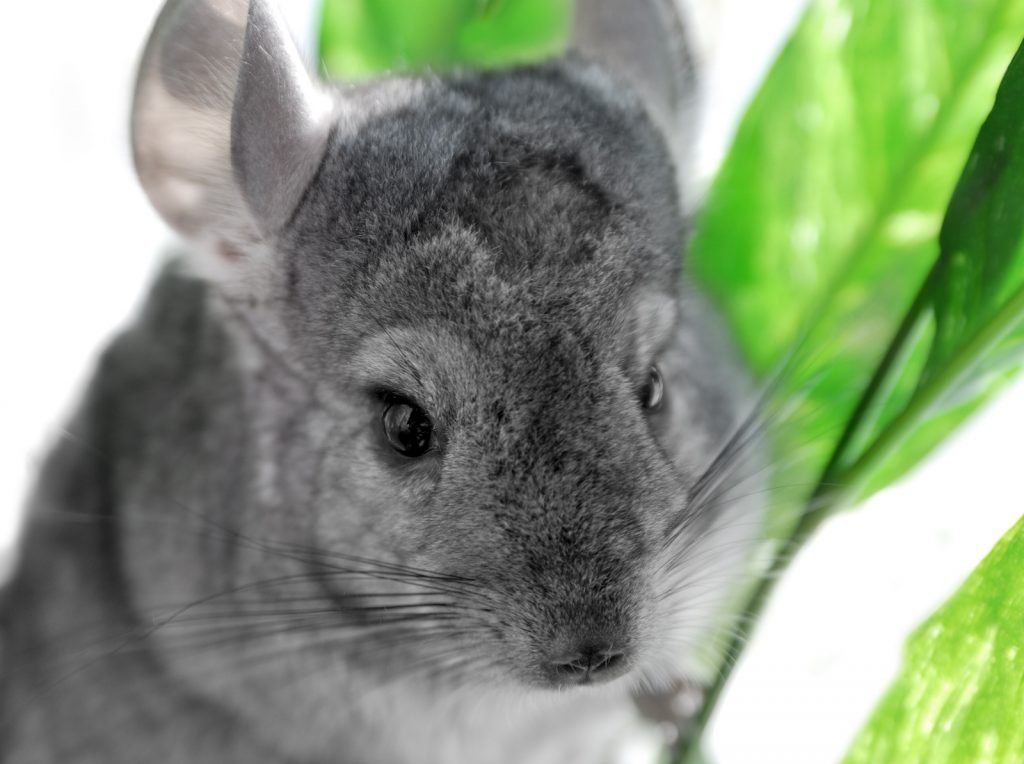
Introduction For most pet owners, cleanliness follows a simple rule: 👉 water cleans So when they first encounter chinchillas, something feels strange. Instead of water, these animals “bathe” in dust. They roll in it.Spin through it.Cover themselves completely. From a human perspective, this looks backward. Almost like the animal is getting dirtier instead of cleaner. But this reaction comes from applying the wrong logic. Because for chinchillas… 👉 water is the problem And dust is the solution. Why This Matters Chinchillas have one of the densest fur structures in the animal world. Each follicle can produce dozens of hairs. This creates: This structure changes everything about how they interact with moisture. The Problem With Water When water reaches chinchilla fur, it doesn’t behave normally. It doesn’t dry quickly. Instead, it becomes trapped. This leads to: Even small amounts of water can create problems. Why Dust Works Better Dust baths are not random behavior. They are a precise adaptation. The fine particles: Unlike water, dust does not stay trapped. It moves through the fur and carries unwanted material away. A Practical Example A chinchilla rolls repeatedly in a dust bath. From the outside: 👉 it looks messy But after the bath: This is not surface cleaning. 👉 it is deep maintenance The Importance of Dust Type Not all dust works the same way. Chinchilla-specific dust is: Using incorrect materials can: Frequency Matters Dust baths should be: Too frequent: Too rare: Balance is essential. Why Owners Make Mistakes Because of human habits, many try to: These actions often create more harm than benefit. Step-by-Step Proper Care Step 1: Provide a Dust Bath Container Use a space where the chinchilla can roll freely. Step 2: Limit Bath Time Short sessions are more effective. Step 3: Use Proper Dust Always choose dust designed specifically for chinchillas. Step 4: Avoid Water Contact Even small exposure should be minimized. Common Misinterpretations “Dust makes it dirty” Dust removes what shouldn’t be there. “Water would clean better” Water disrupts the fur system. “It looks messy during the bath” The process looks different from the result. Special Cases In high humidity environments, dust baths become even more important. Moisture in the air can affect fur condition. The Bigger Shift Chinchilla care requires breaking a basic assumption: 👉 cleanliness is not always water-based Different biology requires different solutions. The Perspective Change Instead of asking: 👉 “How do I clean my chinchilla?” Ask: 👉 “What keeps its fur system balanced?” Because balance matters more than appearance. Conclusion Your chinchilla is not getting dirty in dust. It is maintaining a system that water cannot support. Once you understand how its fur works: Not because you changed the animal. 👉 but because you adapted to its biology And in exotic mammals… 👉 adaptation is everything.
Why Your Axolotl Barely Moves (And Why That’s a Sign of Efficiency, Not a Problem)
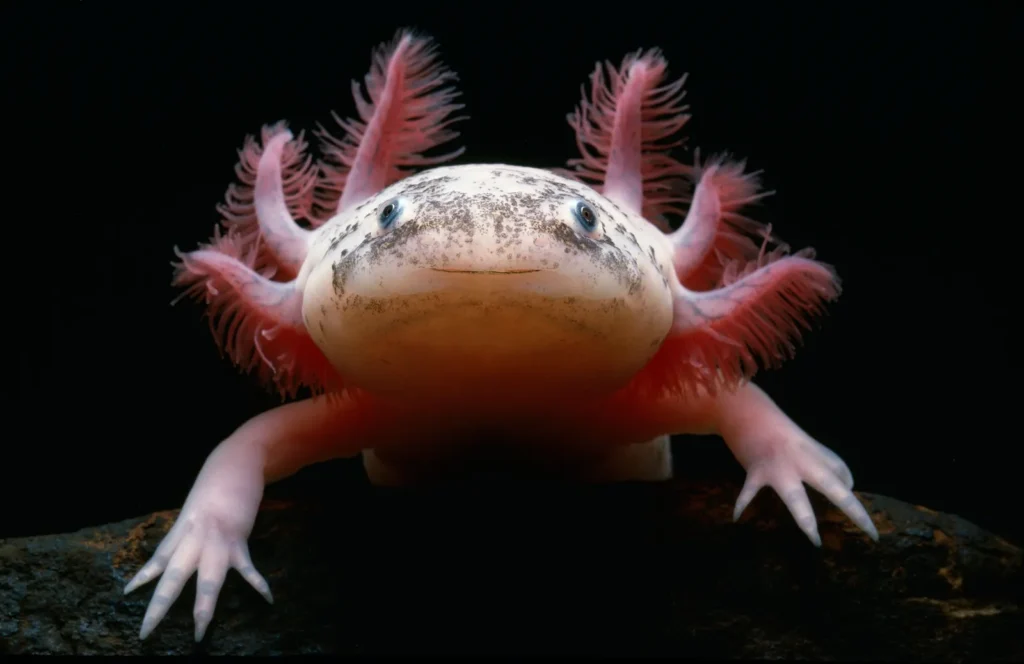
Introduction For many new axolotl owners, the first reaction is confusion. The animal doesn’t move much.It stays in the same place for long periods.It reacts slowly, sometimes almost imperceptibly. Compared to fish or other aquatic animals, it can seem inactive. This often leads to concern: 👉 “Is something wrong?” But with axolotls, this interpretation is usually incorrect. Because what looks like inactivity… 👉 is actually a highly efficient biological strategy Why This Matters Axolotls are not built for constant movement. They are ambush predators. Their natural behavior is based on: This is very different from animals that: So when you expect movement… 👉 you’re expecting the wrong behavior The Ambush Strategy In natural conditions, axolotls don’t chase food. They wait. They remain still until: Then they act quickly. This pattern means that most of their time is spent: 👉 not moving Why Stillness Is Efficient Movement consumes energy. Axolotls are designed to conserve it. By staying still, they: This makes them extremely efficient in their environment. A Practical Example An axolotl remains motionless for long periods. Then suddenly: From the outside: 👉 inconsistent activity From the axolotl’s perspective: 👉 optimized behavior The Role of Water Conditions Axolotls are sensitive to their environment. If conditions are stable: If something is off, you may see: Ironically: 👉 more movement can indicate a problem Why Owners Misinterpret This Humans associate activity with health. More movement = more vitality. But axolotls don’t follow that model. Their health is reflected in: 👉 stability, not activity The Difference Between Calm and Weakness A healthy axolotl: An unhealthy one may show: The difference is not quantity of movement. 👉 it’s quality of response Step-by-Step Observation Step 1: Watch Feeding Response A healthy axolotl reacts to food. This is a key indicator. Step 2: Observe Posture Stable positioning is a good sign. Step 3: Monitor Environment Water quality and temperature influence behavior directly. Step 4: Avoid Over-Stimulation Too much disturbance can create stress. Axolotls prefer low-interaction environments. Common Misinterpretations “My axolotl is lazy” It is conserving energy. “It should move more” That expectation comes from other animals. “It looks inactive” Stillness is part of its natural design. Special Cases If the axolotl shows: then further evaluation is needed. The Bigger Shift Axolotl care is not about increasing activity. It is about maintaining: 👉 stable conditions Because stability supports natural behavior. The Perspective Change Instead of asking: 👉 “Why is my axolotl not moving?” Ask: 👉 “Is my axolotl responding correctly when needed?” Because response matters more than movement. Conclusion Your axolotl is not inactive. It is operating exactly as designed. Stillness, patience, and sudden action define its behavior. Once you stop expecting constant movement… 👉 everything becomes easier to understand And what once felt like inactivity… 👉 becomes a sign of efficiency Not because the animal changed. 👉 but because your perspective did.
Why Your Pet Watches You More Than You Think (And What It’s Actually Learning From You)

Introduction If you stop for a moment and really pay attention, you’ll notice something subtle: Your pet is constantly watching you. Not just when you call it.Not only when you’re feeding it. But during normal moments: At first, this looks like curiosity. Or even affection. But that explanation is incomplete. Because your pet is not just watching you. 👉 it is studying you Why This Matters Most owners focus on what they actively teach: But a large part of what pets learn doesn’t come from direct training. 👉 it comes from observation And this kind of learning happens constantly, without you noticing. The Passive Learning System Animals don’t wait for instruction. They build understanding through patterns. Every time you: your pet collects information. Over time, these observations form: 👉 predictive models Your pet starts to anticipate what will happen next. What Your Pet Is Actually Tracking Your pet is not randomly watching you. It is looking for: For example: It notices: These associations are not taught. 👉 they are learned indirectly A Practical Example You don’t call your pet. You don’t signal anything. But the moment you open a specific cabinet… 👉 it appears immediately From your perspective: 👉 coincidence From the pet’s perspective: 👉 pattern recognized Why This Learning Is So Powerful Because it doesn’t rely on commands. It relies on: 👉 consistency over time The more predictable your behavior is, the stronger the learning becomes. Even small habits become signals. The Hidden Problem This system can work against you. If your actions are inconsistent: Your pet builds: 👉 unstable predictions This leads to: Why Some Pets Seem “Smarter” Pets that observe more effectively appear more responsive. Not because they understand more… 👉 but because they predict better They don’t wait for commands. They anticipate outcomes. Step-by-Step Awareness Shift Step 1: Notice Your Own Patterns Your pet already sees them. Now you need to. Step 2: Align Actions With Intent If you want predictable behavior, your own actions must be consistent. Step 3: Reduce Mixed Signals Avoid doing the same action with different outcomes. Step 4: Use Observation to Your Advantage You can shape behavior by: Common Misinterpretations “My pet is just curious” It is collecting information. “It follows me everywhere for attention” It is tracking patterns and outcomes. “It knows what I’m about to do” It doesn’t “know.” 👉 it predicts Special Cases Highly observant animals (like birds and some mammals) rely heavily on this system. They can detect: The Bigger Shift Training is not only what you teach directly. It is also what your pet learns indirectly. And that learning never stops. The Perspective Change Instead of asking: 👉 “How do I teach my pet?” Ask: 👉 “What is my pet already learning from me?” Because learning is happening all the time. Conclusion Your pet is not just reacting to you. It is building an internal map of your behavior. Every action you repeat becomes a signal. Every pattern becomes predictable. Once you understand this: Not because you added more training. 👉 but because you became aware of what was already being learned And when awareness increases… 👉 control becomes subtle — and powerful.
Why Your Ferret Bites During Play (And Why Stopping It the Wrong Way Makes It Worse)
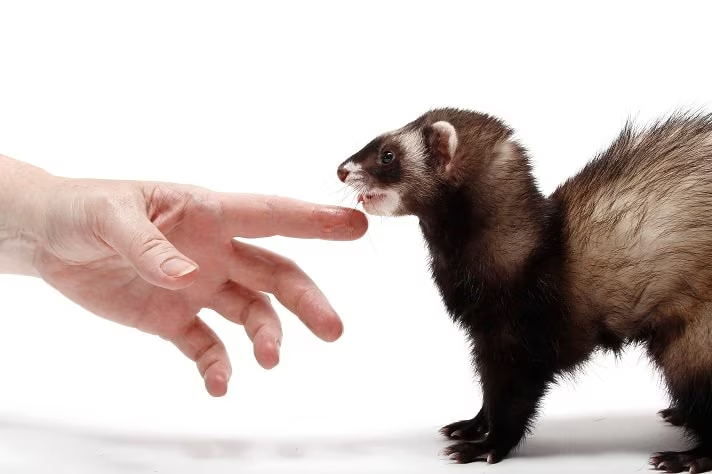
Introduction Ferrets have a reputation. Playful. Energetic. Curious. But also: 👉 they bite And for many owners, that becomes a problem very quickly. You try to interact…The ferret engages…Then suddenly, it bites harder than expected. Not enough to seriously injure. But enough to make you pull away. So the reaction is immediate: 👉 “It’s being aggressive.” But in most cases, that interpretation is wrong. Because what feels like aggression… 👉 is often play that hasn’t been calibrated Why This Matters If you treat play-biting as aggression, you respond incorrectly. You might: These reactions don’t solve the issue. In fact, they often make it worse. Because the ferret is not trying to harm you. 👉 it is trying to interact How Ferrets Actually Play Ferrets don’t play gently with each other. Their natural play includes: But there’s an important detail: 👉 both sides understand the limits They adjust pressure constantly. This is called: 👉 bite inhibition And it develops through interaction with other ferrets. The Human Problem When a ferret interacts with a human, something changes. You don’t: So the ferret continues using: 👉 its natural intensity Without realizing it’s too much. A Practical Example A ferret grabs your hand and bites. From your perspective: 👉 pain From the ferret’s perspective: 👉 engagement You pull away quickly. Now the ferret learns something new: 👉 fast movement = more stimulation So next time, it bites again. Harder. Why Pulling Away Reinforces the Behavior Quick withdrawal creates a chase response. To the ferret, your hand becomes: 👉 a moving target This increases excitement. Not control. The Missing Calibration Young ferrets learn limits by: If that feedback is unclear or inconsistent… 👉 the calibration never develops So the ferret doesn’t know: 👉 how hard is too hard Step-by-Step Behavior Adjustment Step 1: Stay Controlled Avoid exaggerated reactions. Sudden movement increases stimulation. Step 2: Pause Interaction If the bite is too strong: 👉 stop engagement calmly No reaction. No sudden movement. Step 3: Resume When Calm Return to interaction when intensity drops. This creates contrast. Step 4: Use Consistent Feedback A clear, repeated response helps the ferret adjust pressure over time. Common Misinterpretations “It’s aggressive” Most play-biting is not aggression. “It’s trying to dominate” This is not a dominance behavior. “It will always be like this” With proper feedback, intensity can decrease significantly. Special Cases Some ferrets: These may require more time to adjust. The Bigger Shift The goal is not to stop play. It is to: 👉 shape intensity Because play is natural. But uncontrolled intensity creates problems. The Perspective Change Instead of asking: 👉 “How do I stop the biting?” Ask: 👉 “How do I teach the right level of pressure?” Because the behavior itself is not wrong. 👉 the intensity is Conclusion Your ferret is not trying to hurt you. It is playing the only way it knows. Without proper feedback, it doesn’t adjust. Once interaction becomes: The biting changes. Not because play stopped. 👉 but because it became calibrated And when calibration happens… 👉 play becomes safe, not painful.
Why Your Rabbit Stays Completely Still (And Why That Doesn’t Always Mean It’s Calm)
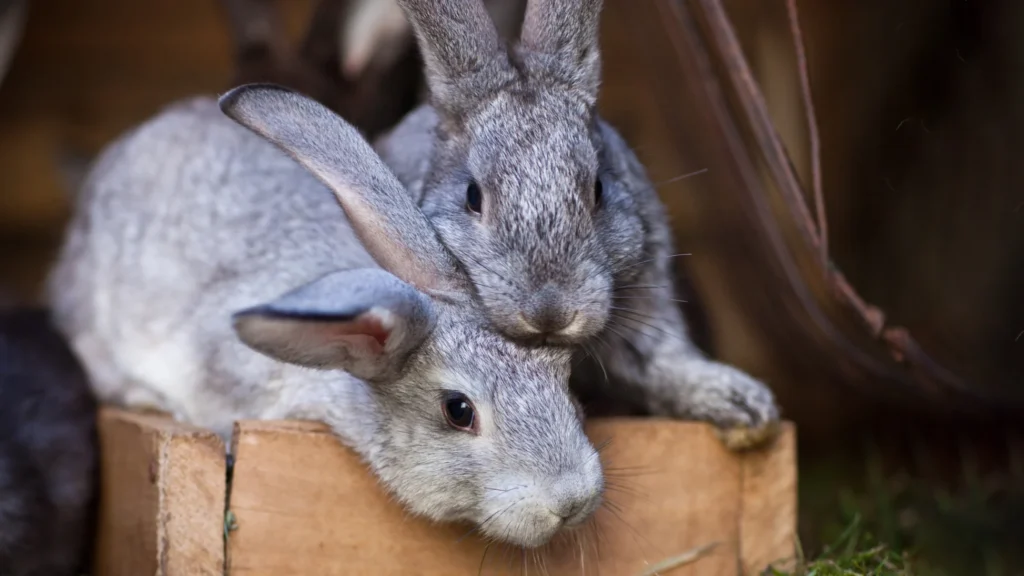
Introduction Many rabbit owners interpret stillness in a very specific way. If the rabbit is not moving, not reacting, and not trying to escape… 👉 it must be calm It seems logical. After all, movement is often associated with stress, and stillness feels like the opposite. But with rabbits, that interpretation can be misleading. Because sometimes, when a rabbit is completely still… 👉 it is not relaxed 👉 it is in a defensive state And understanding that difference changes everything about how you interact with it. Why This Matters Rabbits are prey animals. Their survival depends on avoiding detection. They don’t always react by running. Sometimes, they react by: 👉 freezing This response is not about comfort. It is about reducing visibility and risk. If you misinterpret this state as calmness, you may continue interaction in a way that increases stress. The Freeze Response Explained When a rabbit perceives potential danger, it has two main options: If escape is not immediate or possible, freezing becomes the strategy. During this state, the rabbit: From the outside, it looks peaceful. Internally, it is: 👉 highly aware Why It Looks Like Relaxation Humans associate stillness with rest. But in prey animals, stillness can mean: 👉 “do not be noticed” There is no visible tension. No obvious signal. That’s what makes it easy to misread. A Practical Example You pick up a rabbit. It stops moving completely. It doesn’t struggle. It stays quiet. From your perspective: 👉 “it’s comfortable” From the rabbit’s perspective: 👉 escape is not possible, so it freezes This is not trust. It is a survival response. The Risk of Misinterpretation If freezing is seen as calmness, interaction continues. Holding longer.Handling more.Reducing caution. But internally, stress accumulates. Over time, this can lead to: How to Recognize the Difference A relaxed rabbit often shows: A frozen rabbit shows: The key difference is: 👉 choice Relaxed behavior is voluntary. Freeze response is not. Step-by-Step Adjustment Step 1: Observe Before Interacting Watch how the rabbit behaves when undisturbed. This sets a baseline. Step 2: Look for Voluntary Movement If the rabbit approaches you, it is choosing interaction. That is a positive signal. Step 3: Avoid Forcing Contact If interaction is always initiated by you, the rabbit may rely on freezing. Step 4: Shorten Handling Time Even calm-looking rabbits should not be held excessively. Common Misinterpretations “My rabbit is very calm” It may be freezing instead of relaxing. “It likes being held” Stillness does not always indicate comfort. “It never reacts” It may be choosing the freeze response over escape. Special Cases Rabbits that are: are more likely to freeze. The Bigger Shift Understanding rabbits requires a change in interpretation. From: 👉 visible behavior To: 👉 underlying state Because what you see is not always what is happening. The Perspective Change Instead of asking: 👉 “Is my rabbit calm?” Ask: 👉 “Is my rabbit choosing to stay still?” Because choice defines comfort. Conclusion Your rabbit staying still does not always mean it feels safe. Sometimes, it means the opposite. The freeze response is quiet, subtle, and easy to misunderstand. But once you recognize it: Not because you forced calmness. 👉 but because you allowed real comfort to emerge And when a rabbit truly feels safe… 👉 it doesn’t freeze 👉 it moves freely.
Why Changing All the Water in Your Tank Can Do More Harm Than Good
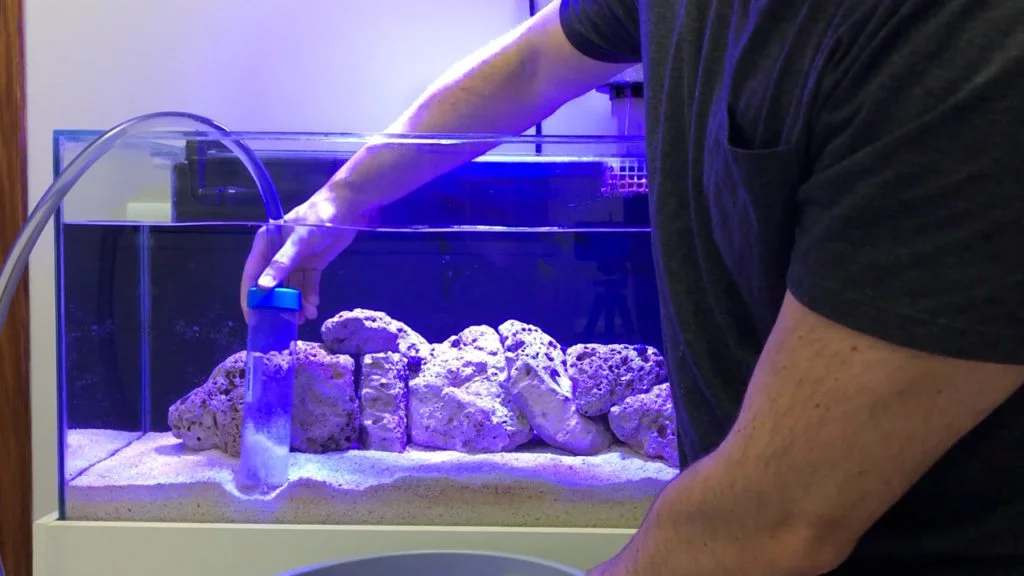
Introduction When something seems off in an aquarium, many owners take immediate action: They clean everything.They remove all the water.They refill the tank completely. From a human perspective, this feels like the right move. 👉 reset everything and start fresh It looks clean.It feels controlled. But for fish, this kind of reset is not neutral. 👉 it’s a shock And in many cases, it creates more problems than it solves. Why This Matters Fish don’t adapt instantly to change. They adjust gradually. Their bodies are constantly balancing against: When all of that changes at once… 👉 the system struggles to stabilize The Problem With Sudden Change Replacing all the water at once creates a complete shift in: Even if the new water looks “clean”… 👉 it is different And that difference is what affects the fish. What Fish Actually Experience When the environment changes abruptly, fish must adjust internally. This process affects: Unlike humans, they cannot step away or adapt gradually. They are: 👉 fully immersed in the change A Practical Example A tank has a stable condition. It may not be perfect, but it is consistent. The owner replaces all the water. Immediately, everything shifts. From the outside: 👉 the tank looks better From the fish’s perspective: 👉 everything changed at once Why Stability Is More Important Than Perfection Fish tolerate small imperfections. They struggle with sudden changes. A slightly imperfect but stable environment is safer than a perfect but constantly changing one. The Role of Bacteria Aquariums rely on beneficial bacteria. These organisms: When all water is replaced, much of this system is disrupted. And without it: 👉 the environment becomes unstable again Step-by-Step Better Approach Step 1: Use Partial Water Changes Replace small portions instead of everything. This keeps conditions stable. Step 2: Maintain Consistency Regular, gradual changes are better than large, infrequent ones. Step 3: Match Temperature and Conditions New water should be as close as possible to the existing environment. Step 4: Avoid Full Resets Unless Necessary Complete changes should only happen in extreme cases. Common Misinterpretations “Clean water is always better” Clean is not the same as stable. “I fixed the problem by resetting everything” You may have removed visible issues, but created hidden ones. “Fish will adapt quickly” Adaptation takes time, not instant change. Special Cases Severe contamination may require larger changes. But even then, gradual adjustment is safer whenever possible. The Bigger Shift Aquarium care is not about control. It is about balance. Trying to fix everything instantly often breaks that balance. The Perspective Change Instead of asking: 👉 “How do I make the tank perfect?” Ask: 👉 “How do I keep the system stable?” Because stability is what fish rely on. Conclusion Changing all the water may seem like a solution. But for fish, it can be overwhelming. Sudden shifts disrupt: When you shift from full resets to gradual adjustments: Not because the tank looks better. 👉 but because it functions better And in aquariums… 👉 function matters more than appearance.
Why Your Bird Is Pulling Its Own Feathers (And Why It’s Not Just About Stress)
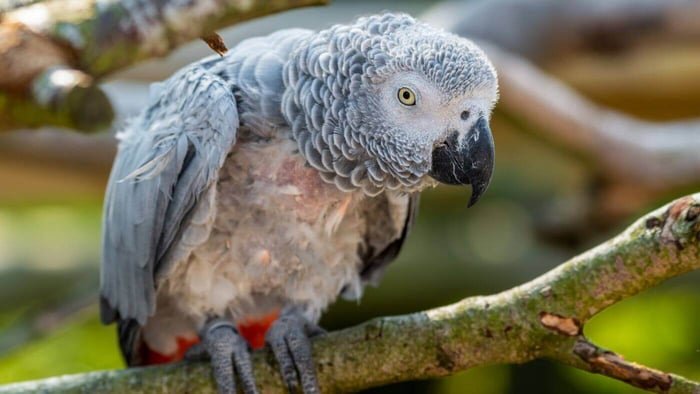
Introduction Few things are as worrying for a bird owner as seeing this: Feathers scattered in the cage.Bare patches on the body.The bird repeatedly pulling at itself. The immediate reaction is almost always the same: 👉 “It must be stressed.” While stress can be part of the situation, this explanation alone is too simple. Because feather plucking is not just a reaction. 👉 it is a pattern And patterns don’t form from a single cause. They develop when internal and external factors combine over time. Why This Matters If the behavior is misunderstood, the response becomes ineffective. Many owners try to fix it by: Sometimes these help. Sometimes they don’t. Because the behavior is not always driven by one single issue. 👉 it is sustained by repetition Once the pattern is established, it can continue even after the original trigger disappears. The Difference Between Trigger and Maintenance There are two stages in this behavior: The trigger may be: But what maintains the behavior is different. Over time, the act itself becomes: 👉 self-reinforcing Why the Behavior Repeats Feather pulling can create internal feedback. The bird experiences: This creates a loop: action → sensation → repetition Even if the original cause is no longer present, the loop remains. A Practical Example A bird begins pulling feathers during a period of low stimulation. At first, it happens occasionally. Over time, the behavior becomes more frequent. Eventually, it occurs even when the environment improves. From the outside, it looks like the problem never changed. But internally: 👉 the pattern became independent Why It’s Not Always Visible Early In early stages, feather plucking can be subtle. Small areas.Infrequent actions. Because of that, it often goes unnoticed. By the time it becomes obvious… 👉 the pattern is already established The Role of Attention Owner reaction can unintentionally reinforce the behavior. If the bird receives: during or immediately after pulling… it may strengthen the loop. Not intentionally. 👉 but functionally Step-by-Step Approach Step 1: Observe Without Immediate Reaction Identify when the behavior happens: Step 2: Reduce Reinforcement Avoid reacting during the act itself. Shift attention to neutral or calm moments instead. Step 3: Introduce Alternative Engagement Provide activities that: Step 4: Maintain Consistency Changes must be stable. Frequent shifts disrupt progress. Common Misinterpretations “It’s just stressed” Stress may start it, but repetition maintains it. “It needs more attention” Attention at the wrong time can reinforce the behavior. “It will stop on its own” Once established, patterns rarely disappear without intervention. Special Cases Severe or persistent cases may involve: These require closer evaluation. The Bigger Shift Feather plucking is not just a reaction. It is a system. To change it, you must address: 👉 both cause and continuation The Perspective Change Instead of asking: 👉 “Why did this start?” Ask: 👉 “Why does this keep happening?” Because stopping the loop is as important as understanding the trigger. Conclusion Your bird is not simply reacting to a single problem. It is repeating a behavior that has become self-sustaining. Once you break the loop: Not instantly. But gradually. Because patterns don’t disappear suddenly. 👉 they weaken over time And when the loop loses strength… 👉 the behavior fades with it.
Why Your Snake Is Not Eating (And Why That Might Be Completely Normal)
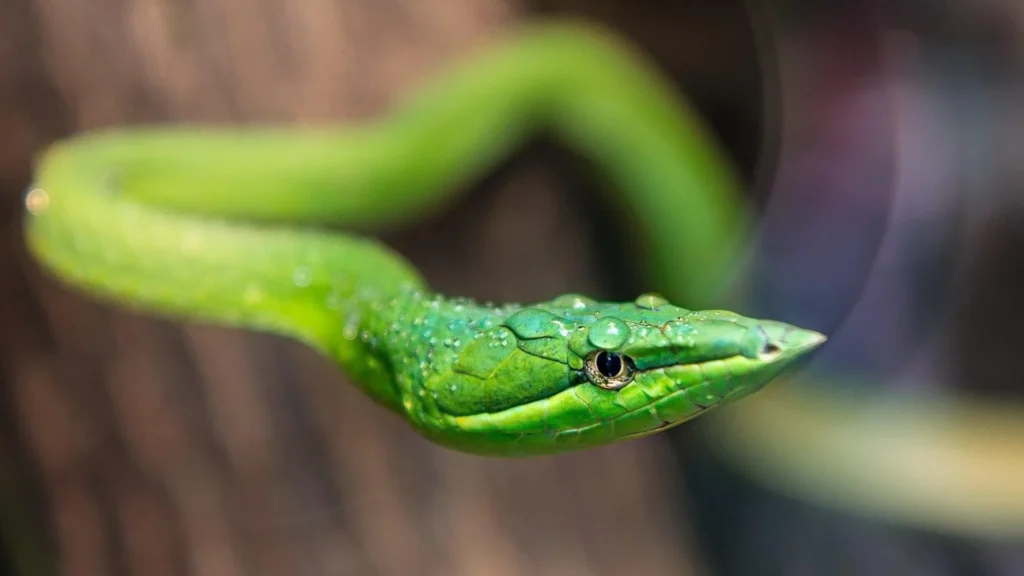
Introduction Few situations create as much concern for snake owners as this: The snake refuses to eat. Days pass.Then weeks.Sometimes even longer. The immediate assumption is clear: 👉 something is wrong After all, for most pets, not eating is a warning sign. But snakes do not follow the same rules as mammals. And what looks like a problem from a human perspective… 👉 can be completely normal for a snake Why This Matters Snakes have a fundamentally different relationship with food. They are not built to eat frequently. They don’t rely on constant intake. Instead, they operate in cycles of: This cycle is slow, efficient, and highly dependent on conditions. If you apply the expectations of daily feeding to a snake… 👉 you will misinterpret its behavior The Nature of Irregular Feeding In the wild, snakes do not eat on a schedule. They eat when: After feeding, they may go long periods without eating again. This is not starvation. 👉 it is part of their biological rhythm The Role of Digestion Snake digestion is not continuous. It is activated after feeding. And it is intense. During digestion, the snake’s body: Because digestion is demanding, snakes avoid unnecessary feeding. They only eat when the system is ready. Why Refusal Happens A snake may refuse food due to: Not all refusals are problems. Many are adjustments. A Practical Example A snake eats a meal. Then remains inactive for several days. Later, when offered food again, it refuses. From a human perspective: 👉 unusual behavior From the snake’s perspective: 👉 digestion cycle not complete The Temperature Factor Temperature plays a critical role. If the environment is too cool: The snake avoids eating because: 👉 it cannot process the food efficiently Seasonal Influence Some snakes reduce feeding during certain periods. This can be linked to: Even in controlled environments, this behavior may persist. Step-by-Step Evaluation Step 1: Check Temperature Zones Ensure proper heating for: Step 2: Review Feeding Timing Avoid offering food too frequently. Allow time between meals. Step 3: Observe Body Condition Weight and posture matter more than frequency of eating. Step 4: Reduce Environmental Stress Limit unnecessary handling and disturbances. Common Misinterpretations “My snake is starving” Short-term refusal is often normal. “It should eat regularly” Snakes do not follow regular feeding patterns like mammals. “It suddenly stopped eating” The cause often started earlier in the cycle. Special Cases Extended refusal combined with: may indicate a real issue and should be evaluated. The Bigger Shift Snake care is not about maintaining constant activity. It is about respecting natural cycles. Feeding is part of a system, not an isolated action. The Perspective Change Instead of asking: 👉 “Why is my snake not eating?” Ask: 👉 “Is my snake in the right phase to eat?” Because timing defines behavior. Conclusion Your snake is not refusing food randomly. It is responding to internal and environmental conditions. Once those conditions are understood: Not because the snake changed. 👉 but because you aligned with its natural rhythm And in reptile care… 👉 rhythm matters more than routine.